
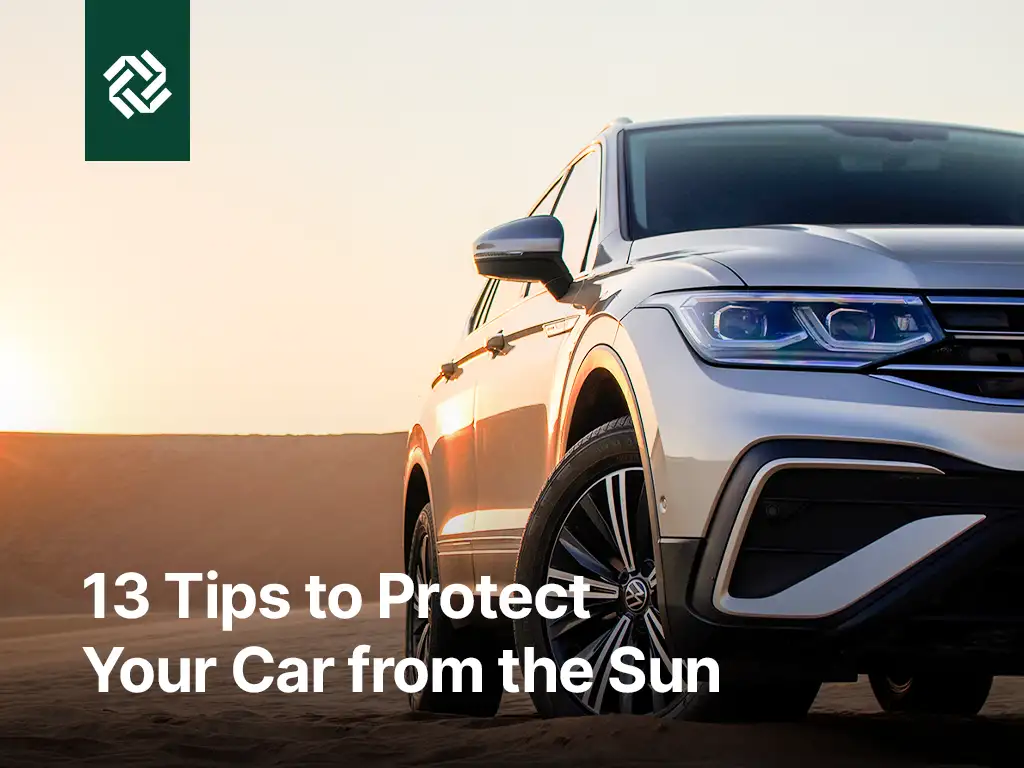
Are you doing enough to protect your car from the sun? Intense UV rays, blistering summer heat, and harsh glare do more than just make your cabin uncomfortable—they actively degrade your vehicle’s interior upholstery, crack the dashboard, and oxidize exterior paint. Whether you drive a brand-new sedan or a family SUV, mitigating solar damage is essential for preserving your car’s aesthetic and resale value.
In this comprehensive guide, we break down 13 actionable strategies, backed by industry standards from to keep your vehicle safe year-round.
1. Install High-Quality Automotive Window Films
One of the most effective ways to protect your car from the sun is by installing professional-grade window tint. Premium ceramic and carbon films block up to 99% of harmful ultraviolet rays and significantly reduce Total Solar Energy Rejected (TSER). This not only keeps your skin safe during long commutes but also prevents your leather seats and dashboard from fading and cracking.
2. Apply Paint Protection Film (PPF)
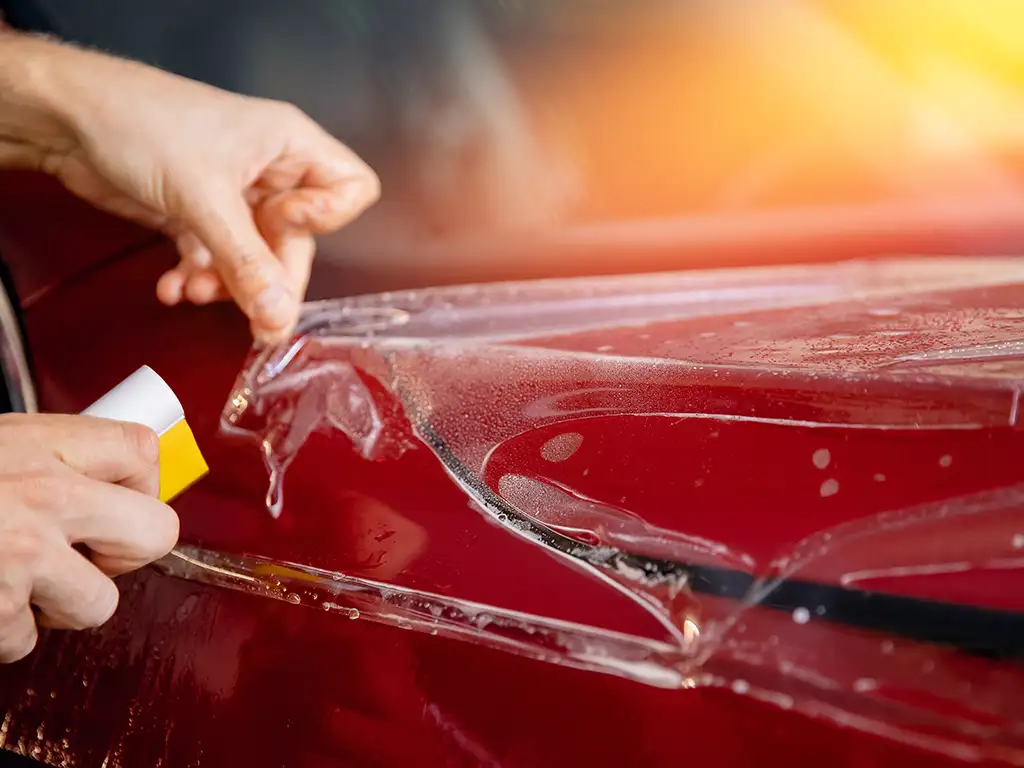
While window films protect your interior, exterior paint suffers immensely from UV oxidation and solar fading. Applying an advanced Alifatik TPU Paint Protection Film creates an invisible, self-healing shield over your clear coat. PPF absorbs solar punishment, prevents micro-scratches, and preserves showroom gloss. Discover more about why safeguarding your finish matters in our guide on what happens if you skip paint protection film.
3. Utilize Windshield Protection Films
Your front windshield lets in massive amounts of infrared heat and blinding glare, yet many drivers forget to protect it. Specialized exterior windshield protection films (like ClearPlex) block solar heat buildup while maintaining crystal-clear optical clarity for night driving, safeguarding both you and your dashboard.
4. Park in the Shade or Use Garages
It sounds simple, but strategic parking is your first line of defense. Whenever possible, park under trees, architectural overhangs, or covered parking structures. If a garage is available at home or work, use it consistently to limit direct thermal stress on your vehicle’s rubber seals and electronics.
5. Invest in a Quality Car Cover
If indoor parking isn’t an option, a breathable, UV-resistant outdoor car cover provides exceptional protection against direct sunlight. Ensure you choose a snug-fitting cover designed to prevent dust abrasion while blocking intense solar radiation.
6. Protect Your Dashboard with UV Blockers
Dashboards absorb direct sunlight through the windshield, making them prone to severe cracking and warping. Apply a non-greasy UV-blocking protectant spray every few weeks to nourish the vinyl or plastic and create a barrier against solar heat.
7. Use Windshield Sunshades Consistently
A reflective accordion sunshade placed against your front windshield when parked acts as a vital heat shield. It drops interior cabin temperatures by up to 40°F and protects your steering wheel and infotainment screen from baking in direct sunlight.
8. Condition Leather Seats Regularly
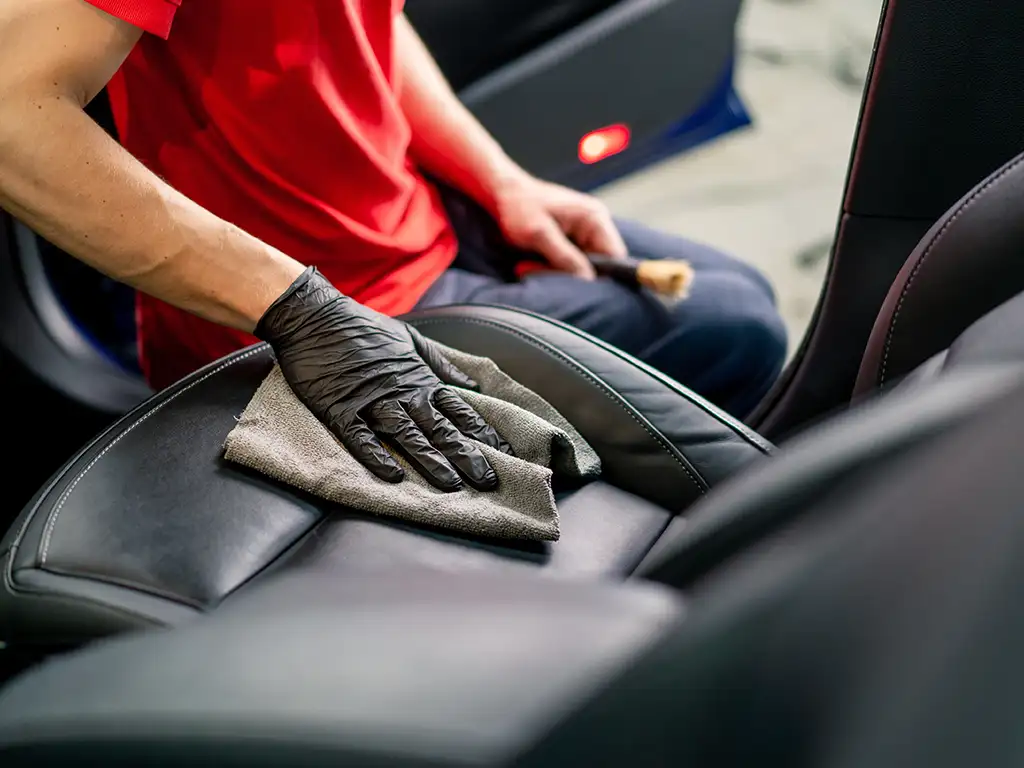
UV rays strip natural moisture and oils from leather upholstery, leading to premature brittleness and unsightly cracks. Use a pH-balanced leather conditioner every 2 to 3 months to keep your seats supple and resilient against thermal stress.
9. Keep Your Exterior Clean and Waxed
Solar heat bakes contaminants, bird droppings, and tree sap directly into your clear coat. Frequent washes combined with a high-grade carnauba wax or synthetic sealant create a sacrificial barrier that deflects UV rays and environmental fallout.
10. Check and Maintain Coolant Levels
Extreme ambient temperatures driven by intense sun put extra strain on your engine cooling system. Regularly check your coolant and radiator fluid levels to prevent overheating during peak summer gridlock.
11. Inspect Tire Pressure Frequently
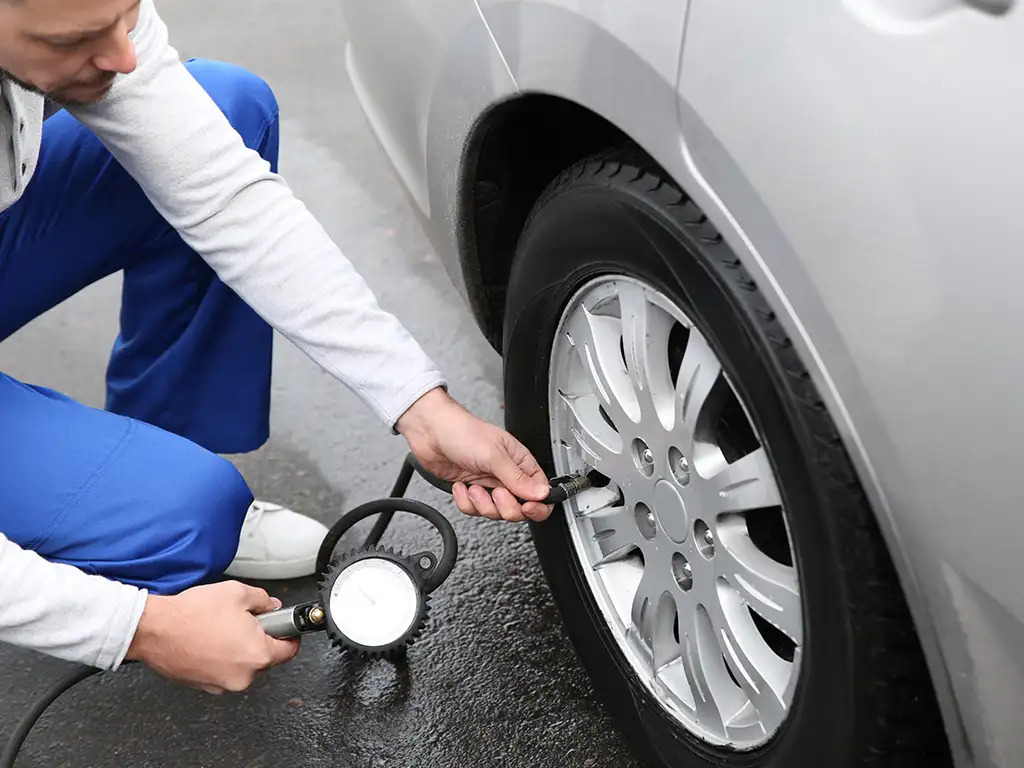
Direct asphalt temperatures can soar significantly higher than air temperature under heavy sun. Heat causes air inside your tires to expand, increasing tire pressure and blowout risks. Check your PSI levels monthly during hot seasons.
12. Tint Your Sunroof for Overhead Protection
Glass sunroofs act like magnifying glasses, beaming direct overhead heat straight onto the driver and passengers. Applying a high performance tint or solar film to your sunroof drastically cuts overhead infrared transmission.
13. Schedule Professional Detailing
Periodic professional detailing including paint decontamination, clay bar treatments, and ceramic coating maintenance restores your vehicle’s protective layers and ensures long-term defense against sun damage.
Conclusion
Learning how to protect your car from the sun is an investment in your vehicle’s longevity, comfort, and resale value. By combining smart parking habits with professional solutions like window tinting and paint protection films, you can beat the heat effortlessly.
Ready to upgrade your vehicle’s sun defense? Contact our team today to find authorized dealers and professional installation services near you.