When it comes to upgrading your driving experience, choosing the right window film is more than just a matter of “choosing a shade.” In 2026, window tint technology has evolved into a sophisticated blend of heat rejection, UV protection, and digital connectivity. If you are browsing the Lacuna Window Films collection, you’ve likely encountered three main categories: Dyed, Carbon, and Ceramic.
But which one actually delivers the most value? Let’s dive into the most searched questions and compare these technologies to find your perfect match.
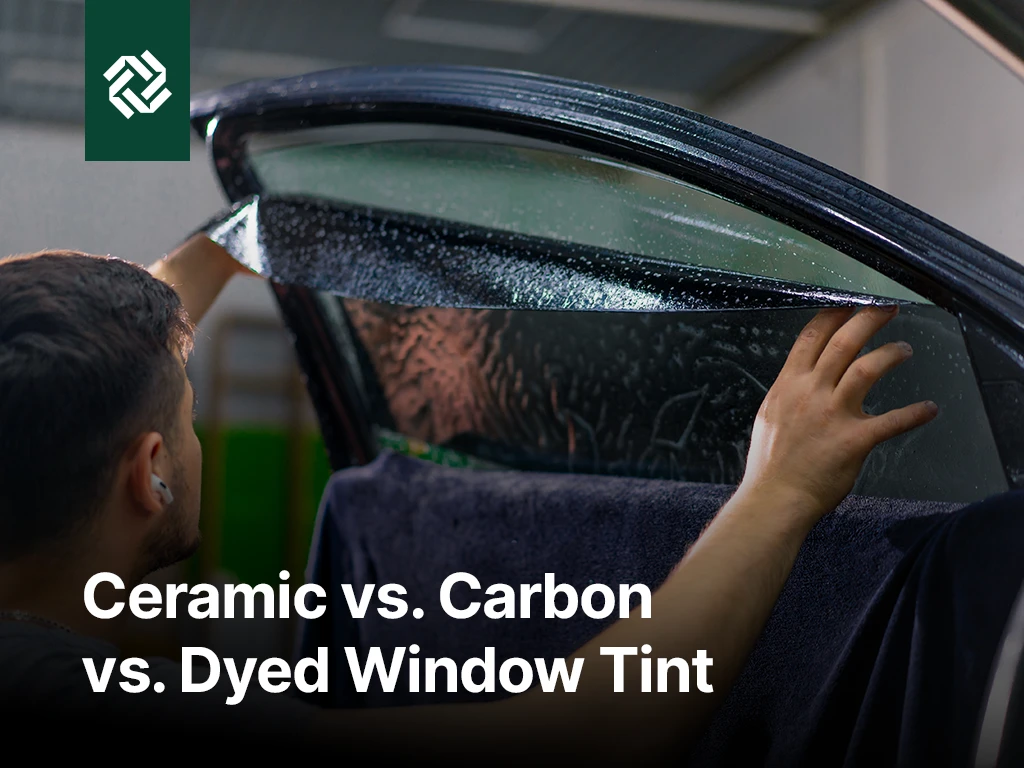
What Is the Main Difference Between Ceramic, Carbon, and Dyed Tints?
To make an informed decision, you first need to understand the “DNA” of each film.
- Dyed Window Tint: The entry-level option. It uses a layer of dye between the adhesive and a protective coating. It’s primarily aesthetic, providing a dark look and glare reduction.
- Carbon Window Tint: A mid tier powerhouse. It contains carbon particles that are incredibly effective at blocking infrared light. Unlike dyed films, carbon doesn’t fade over time.
- Ceramic Window Tint: The gold standard. Using nano ceramic technology, these films block the highest percentage of heat and UV rays while maintaining crystal clear visibility.
The Evolution of Technology Sputtered Film & Golden Particles
For those seeking the pinnacle of solar control, the industry has moved beyond traditional coating.
- Sputtered Technology: Unlike traditional methods, Sputtering is a high tech process where exotic metals or ceramics are deposited onto the film at a molecular level. This creates a highly durable film with an incredibly consistent tone and superior heat reflection capabilities.
- Golden Particles Film: This is where luxury meets science. By incorporating Golden Particles into the sputtering process, these films achieve an elite level of Total Solar Energy Rejection (TSER). Gold is one of the most effective heat reflectors in existence. These films offer a sophisticated, high clarity tone that provides a cooler cabin than any standard film on the market.
Which Tint Blocks the Most Heat? (The Infrared Battle)
If you live in a hot climate or spend long hours behind the wheel, heat rejection is likely your priority.
- Ceramic wins by a landslide. Premium ceramic films, like those offered by Lacuna, can reject up to 96% of infrared heat. This means your AC works less, your fuel efficiency improves, and your cabin stays cool even under the desert sun.
- Carbon offers respectable heat rejection (around 40%), which is a significant step up from Dyed films, which mainly absorb heat rather than reflecting it often making the glass itself feel hot to the touch.
Does Window Tint Interfere with GPS and Cell Signals?
This is one of the most common concerns for modern drivers.
- The Good News: Both Carbon and Ceramic films are non metallic. In an era of 5G, satellite radio, and advanced GPS, this is crucial. You won’t experience dropped calls or navigation “glitches” caused by your tint.
- The Warning: Older “Metalized” films (often confused with dyed) can interfere with electronics. By sticking with Lacuna’s carbon or ceramic lines, you ensure your tech stays connected.
Longevity and Aesthetics Will My Tint Turn Purple?
We’ve all seen cars with bubbling, purple windows. That is a hallmark of low quality Dyed tint.
- Dyed films typically last 2–5 years before the sun breaks down the chemical dyes.
- Carbon and Ceramic films are color stable. Carbon provides a beautiful, matte finish that stays true black. Ceramic offers a high end, slightly “depth filled” look with unmatched clarity. At Lacuna, our premium films are engineered to last the lifetime of your vehicle without bubbling or peeling.
UV Protection Beyond Just Aesthetics
UV rays aren’t just bad for your leather seats; they are dangerous for your skin.
- Both Carbon and Ceramic films block approximately 99% of harmful UVA and UVB rays.
- Choosing a high quality film is essentially like wearing SPF 1000 every time you drive, preventing interior cracking and protecting your health.
The Verdict Which One Should You Choose?
The “best” tint depends on your goals and budget:
- Avoid Dyed Tints: While they are the cheapest option, we generally advise against them. Dyed films are prone to fading, turning purple, and bubbling within a short time. In the long run, you’ll likely spend more money stripping and replacing it than you would have spent on a quality film initially. Don’t waste your investment on temporary fixes.
- Choose Carbon if you want a sleek matte look, durable performance, and a “set it and forget it” solution at a great value.
- Choose Ceramic if you demand the absolute best. It is the ultimate investment for maximum heat rejection, unparalleled clarity, and total comfort. If you plan on keeping your vehicle, this is the only choice that truly pays for itself in energy savings and protection.
Why Choose Lacuna Window Films?
At Lacuna USA, we don’t compromise on quality. Whether you select our carbon series for its classic look or our flagship ceramic films for total solar control, you are getting a product designed for the modern road.
Ready to transform your ride? Explore our Window Films collection and experience the difference that high performance technology makes.