
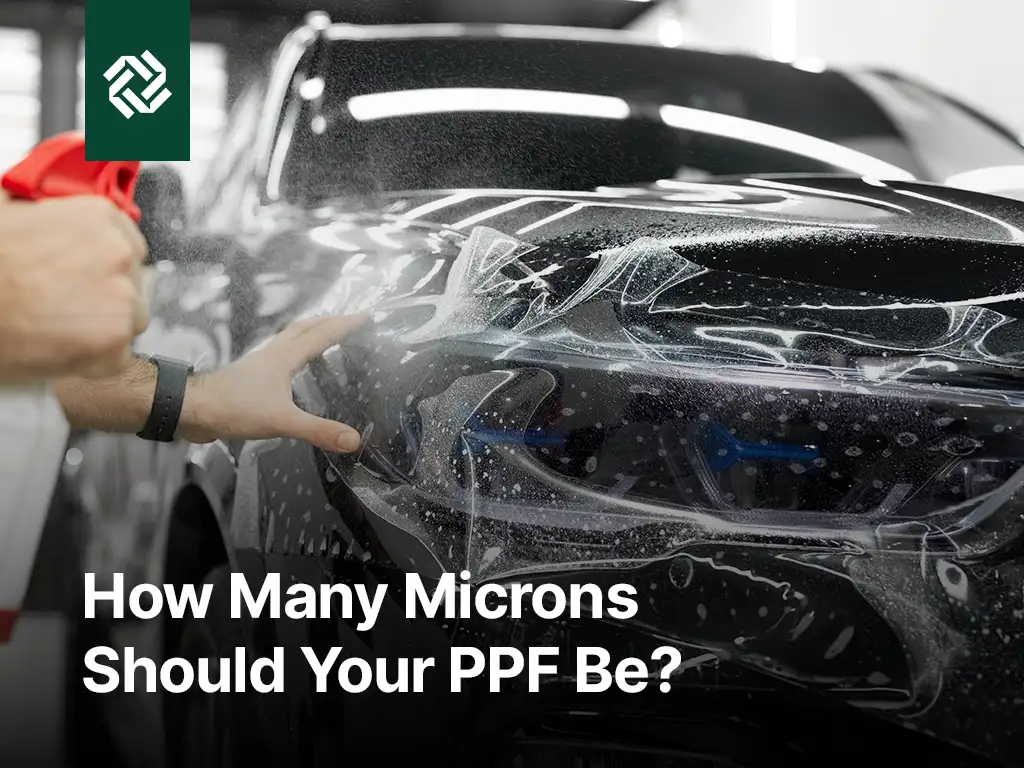
If you want to preserve your vehicle’s factory finish and protect your investment for years to come, Paint Protection Film (PPF) is the gold standard in automotive protection. However, when browsing for the right solution, you will inevitably face the critical question: “How many microns should my PPF be?”
With market options ranging from 180 to 500 microns, it is easy to get confused. Is thicker always better? Here is our expert take on PPF thickness and how to choose the right armor for your vehicle.
Understanding Micron Values in PPF
A micron ( ) is a unit of measurement representing the physical thickness of the film (
 ). The micron value of a PPF directly determines its impact resistance, flexibility, and longevity.
Choosing the right thickness is vital for defending your paint against rock chips, scratches, UV rays, and chemical contaminants. However, keep in mind that as the film gets thicker, the complexity of the installation increases.
Ideal Micron Ranges by Vehicle Type
Every vehicle has different protection needs. As experts at Lacuna, we recommend the following guidelines to help you make an informed decision:
| Vehicle Type / Usage | Recommended Thickness |
| Daily Commuter / City Driving | 180 – 200 microns |
| Sedans / Family Vehicles | 200 – 220 microns |
| Luxury / Premium (Gold Standard) | 200 – 300 microns |
| Sports Cars / SUVs | 200 – 220 microns |
| Off-Road / Maximum Protection | 300 – 500 microns |
Why 200–300 Microns is the “Gold Standard”
Professional installers widely recommend the 200–300 micron range for several reasons:
- Optimal Balance: This thickness provides a robust physical barrier against road debris while maintaining enough flexibility to contour perfectly to complex vehicle curves.
- Self-Healing Capabilities: The hallmark of high-quality PPF the ability to erase light scratches performs most stably on 200–300 micron TPU based films.
- Longevity: A high-quality 200 micron film, when properly maintained, can provide protection for up to 12 years without yellowing or edge lifting.
The Myth of “Thicker is Always Better” (Common Pitfalls)
It is a common misconception that higher micron values automatically equal superior protection. Here is what you need to consider:
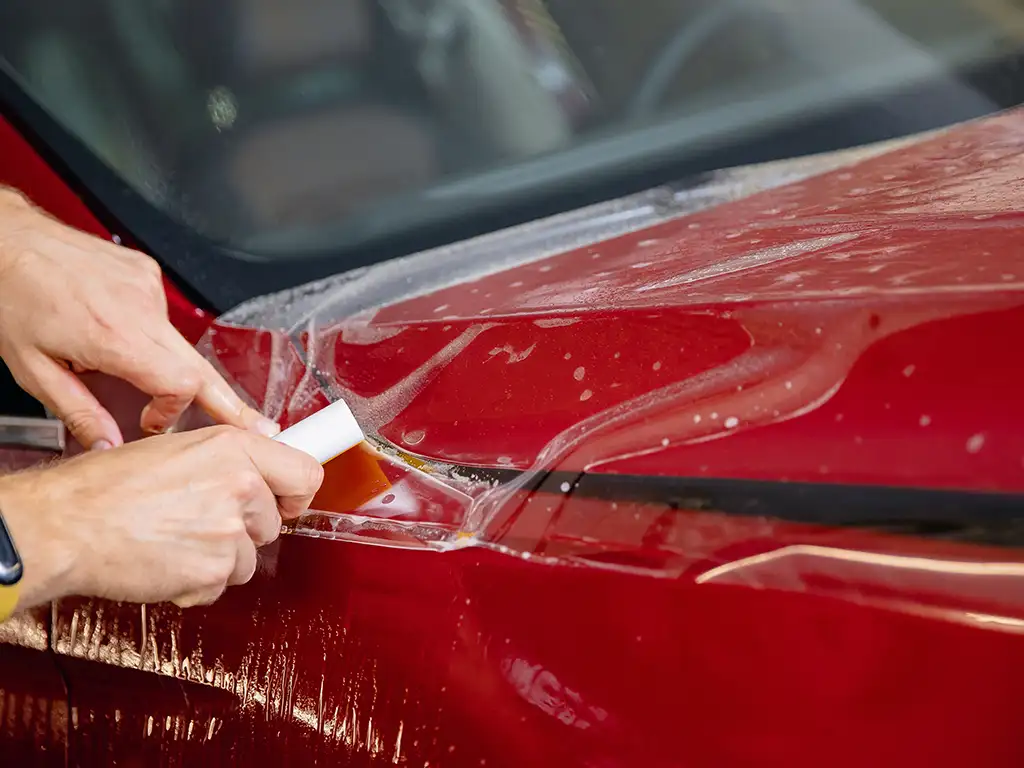
- Installation Expertise: A 250 micron film installed by an amateur can lead to edge lifting, wrinkling at contours, or an “orange peel” texture.
- Film Technology: A low grade 220 micron film may yellow faster and lack the elasticity of a high end, nanotechnological 180 micron film.
- Material Composition: It is not just about thickness; the quality of the material (TPU – Thermoplastic Polyurethane) and the top coat technology (responsible for UV resistance and gloss) are the true indicators of performance.
The Lacuna Recommendation
When selecting the right PPF for your vehicle, do not overlook these two factors:
- Usage Profile: If your daily routine involves heavy highway driving, a protection layer of 200 microns or higher is highly recommended.
- Application Quality: PPF is a combination of premium product + expert craftsmanship. Even the thickest film will fail if applied without meticulous surface preparation (clay bar decontamination, paint correction, and degreasing).
Conclusion
For most vehicles, the 200–250 micron range is the “sweet spot” providing maximum paint protection without compromising your car’s aesthetics.
Ready to find the perfect protection shield for your vehicle? Contact our Lacuna team today to learn more about our professional installation processes and our bespoke PPF solutions.