
Choosing the right window tint levels for your vehicle can be confusing. Whether you are looking for maximum privacy with a 5% window tint or a legal 70% window tint for heat rejection, understanding how window tint percentages work is the first step toward a professional upgrade.
In this guide, we break down different window tint percentages, the science of VLT, and why Lacuna USA premium films are the top choice for enthusiasts and daily drivers alike.
What Do Window Tint Percentages Actually Mean? (The Science of VLT)
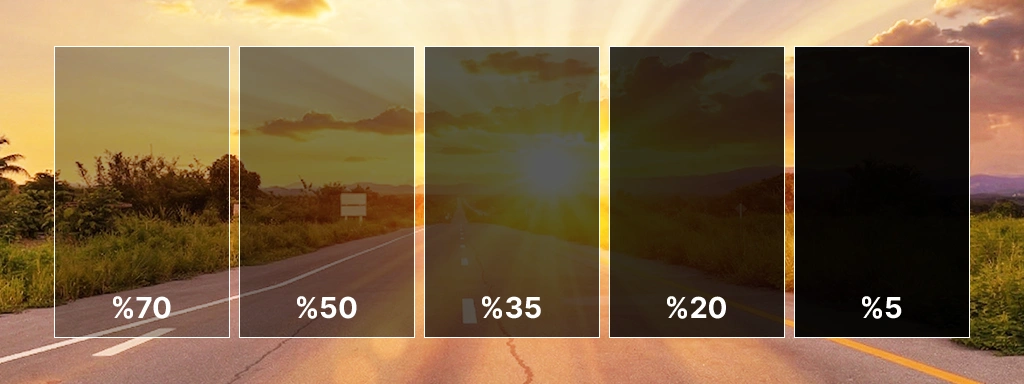
When people talk about window tint percents, they are referring to VLT (Visible Light Transmission).
What is VLT in window tint? It is the percentage of light that passes through the film into the vehicle.
- A lower percentage (like 5% window tint) means a darker film.
- A higher percentage (like 70% vlt window tint) means more light passes through, appearing nearly clear.
How does window tint percentage work? If you apply a 35 percent window tint, only 35% of the outside light enters the cabin. It’s important to remember that most vehicles come with a factory window tint percentage (usually around 70-80% on front windows), which can affect your final window tint darkness level when a new film is applied.
The Core 5: Comparing Window Tint Levels
If you are looking at a window tint shades chart, you will notice five common levels. Here is a breakdown of the most popular car window tint shades:
1. 5% Window Tint (The “Limo Tint”)
How dark is 5% window tint? This is the darkest shade available. It offers maximum privacy, making it nearly impossible to see inside the vehicle. While 5% window tint looks sleek, it is often illegal for front side windows in many states.
2. 15% – 20% Window Tint
A 20% window tint is the most common choice for matching rear factory glass. If you compare 20% vs 35% window tint, the 20% option is significantly darker and provides excellent privacy. Many drivers choose 15% window tint for a balance between the “limo look” and visibility.
3. 35% Window Tint
What does 35% window tint look like? This is often considered the “sweet spot.” A 35% window tint on a car provides a sophisticated, smoked appearance without being overly dark. 35% is commonly within legal limits in many regions, but laws vary
4. 50% Window Tint
If you want heat protection without the dark look, 50% vlt window tint is ideal. It reduces glare and blocks UV rays while maintaining a very high level of visibility for night driving.
5. 70% Window Tint
A 70 percent window tint is nearly transparent. It is often used on windshields (where legal) to block heat without changing the vehicle’s appearance. Legal 70% window tint is a favorite for those who want the benefits of ceramic window tint percentages without the dark shade.
Window Tint Laws: How to Stay Legal
Before choosing your window tint shade, you must check window tint percentages by state.
- Window tint percentages California: Generally requires 70% VLT on front side windows.
- Window tint percentages Texas: Usually allows up to 25% VLT on front sides.
- Window tint percentages Florida: Known for allowing darker shades due to the intense sun.
Always consult a window tint darkness chart for your specific location to avoid fines.
Privacy vs. Visibility: Choosing the Best Tint for Night Driving
One of the most common questions is: is 35% window tint legal and safe at night?
While a 35% window tint at night offers good visibility, dropping down to 5% vs 20% window tint can make it much harder to see pedestrians or corners in low-light conditions. If safety is your priority, 35% vlt window tint or higher is recommended for the front windows.
Heat Rejection: Does Darker Tint Mean a Cooler Car?
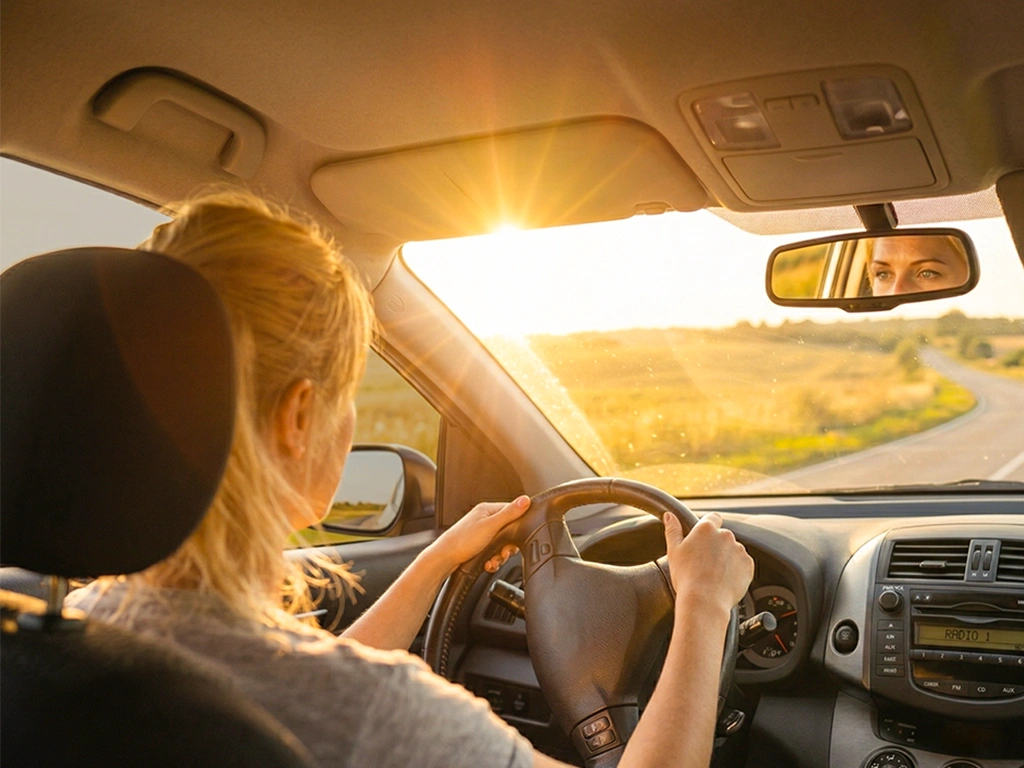
A common myth is that only dark film blocks heat. With Lacuna USA ceramic window tint, this is no longer true. Our ceramic window tint shades use nano-ceramic technology to block infrared heat, meaning a 70% ceramic window tint can actually outperform a cheap 5% window tint roll from a standard brand.
Why Lacuna USA Premium Films Outperform Factory Tints?
Many owners ask, “what is factory window tint percentage?” Standard factory glass is usually just pigment deep inside the glass with little to no heat rejection. Lacuna USA premium dual reflective window films and ceramic lines provide:
- 99% UV Protection.
- Superior Heat Rejection (TSER).
- Crystal clear visibility from the inside out.
How to Choose the Right Percentage for Your Vehicle Type?
- Sedans: Usually look best with a uniform 35% window tint all around.
- Trucks/SUVs: Often use 20% window tint on car rear windows to match the factory look.
- Luxury Vehicles: Often opt for 50% or 70% window tint to maintain the “OEM+” aesthetic while protecting the interior.
Window Tint Percentage Chart at a Glance
| VLT % | Privacy Level | Night Visibility | Typical Usage |
| 5% | Extreme | Low | Limos / Rear Windows |
| 20% | High | Moderate | SUV Rear Match |
| 35% | Moderate | High | Legal Front Sides |
| 50% | Low | Excellent | Heat Control |
| 70% | None | Maximum | Windshields |
Found this guide helpful? Share it with your friends and family to help them choose the perfect tint! For more professional window film solutions and to explore our full range of premium products, visit us at: 👉 Lacuna USA Window Films