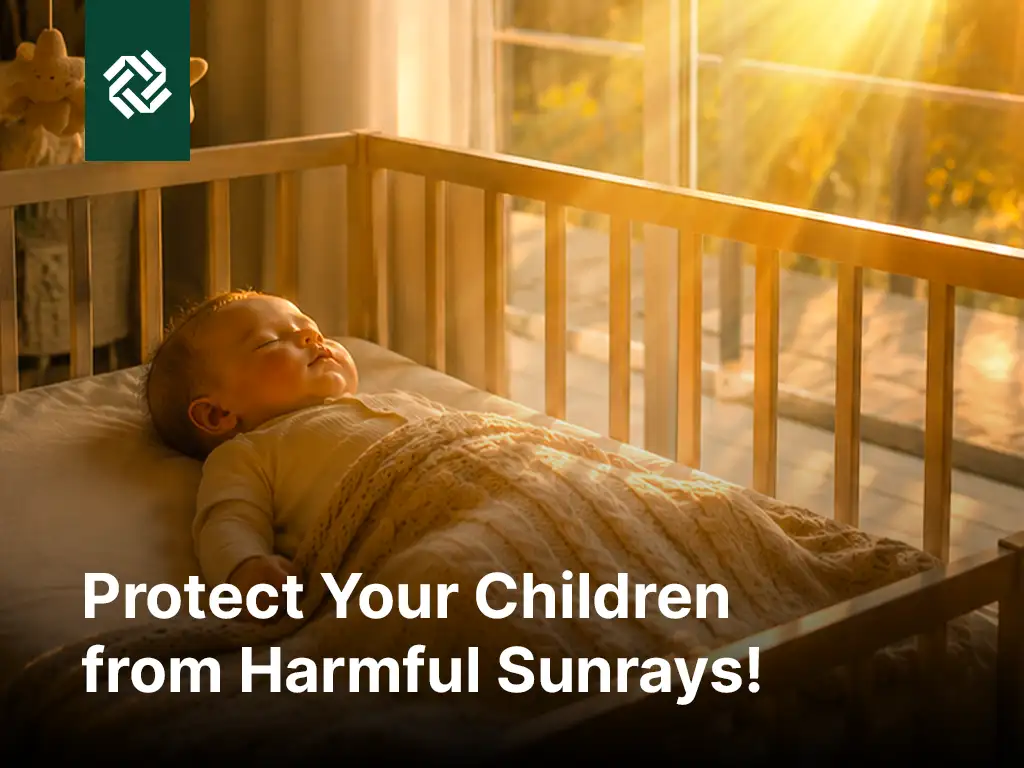
Sunlight is essential it powers our mood, our vitamin D, our kids’ outdoor play. But here’s the assumption most of us make without ever questioning it: once we’re behind glass, we’re safe. Sitting in the living room, the office, or the car, we treat that pane of glass as a finish line for sun exposure. The science tells a different story.
The Radiation That Slips Past Standard Glass
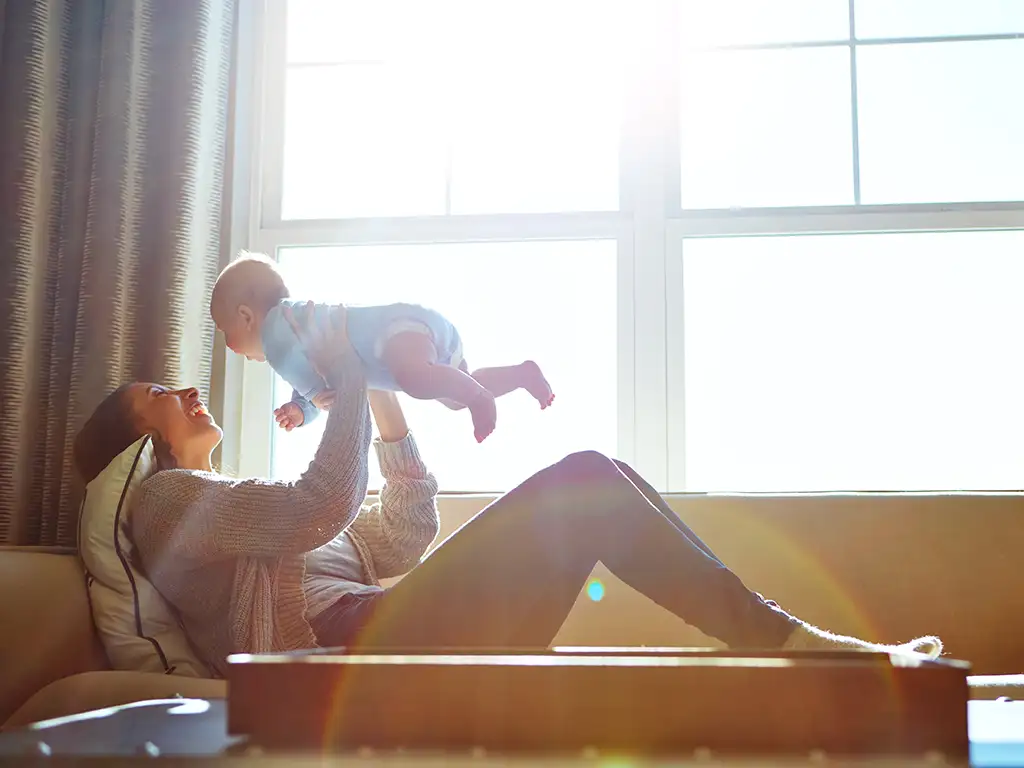
Sunlight carries two main types of ultraviolet radiation that matter for skin: UVB and UVA. Ordinary window glass does a reasonably good job blocking UVB the rays responsible for sunburn. What it does not block well is UVA, sometimes called the “aging ray,” which penetrates deep into the skin’s lower layers and drives long-term damage rather than immediate, visible burns.
Children’s skin is thinner and less protected than adult skin melanin’s natural defenses simply haven’t fully developed yet. According to the American Academy of Dermatology, UV exposure during childhood accumulates over time, contributing to skin cancer risk, premature aging, and skin lesions later in life. One of the clearest real-world illustrations of this is what dermatologists call the “left-side driver effect” in the US (or “right-side” in countries with different steering positions): people who spend years driving show measurably more sun damage on the side of their face and arm closest to the window proof that glass alone isn’t the protection we assume it to be.
The Overlooked Risk: Children’s Eyes
The damage isn’t limited to skin. Children’s eye lenses transmit more light than adult lenses, which over time raises the risk of cataracts, macular degeneration, and photokeratitis. Add in glare especially during commutes or midday sun and you get another layer of strain: eye fatigue that shows up as fussiness, rubbing, or discomfort on long car rides, even when a child can’t quite explain why.
Standard Tint vs. Lacuna Nano-Ceramic: A Side-by-Side Look
| Feature | Standard Dyed Film | Lacuna Nano-Ceramic |
| UV Protection | Inconsistent, often low | 99%+ UVA/UVB rejection |
| Signal Interference (GPS, phone) | Metal content can weaken signal | Metal-free, no signal loss |
| Heat Rejection | Limited | Interior temps reduced by up to 15-18°F |
| Color Stability | Prone to purpling/fading over time | Up to 15-year color stability |
| Impact Protection | None | Holds shattered glass together |
What Independent Standards Actually Require
Any manufacturer can call their product “premium” or “high-performance.” The question is whether that claim holds up against an independent benchmark. In the window film industry, that benchmark comes from the International Window Film Association (IWFA) a nonprofit trade association that sets certification standards manufacturers must meet, rather than just market themselves on.
Lacuna is a member of both IWFA and its European counterpart, EWFA meaning our products are held to standards outside our own marketing department.
To earn certification, a film has to clear three bars simultaneously:
- UV rejection: at least 99% of UV radiation blocked
- Solar heat gain reduction: at least 35%
- Visible light transmission: at least 15%, so the film doesn’t over-darken a space
That last point matters more than people realize. A cheap film can look protective just by being dark but darkness and UV protection are not the same thing. IWFA’s standard exists specifically to catch that gap.
There’s also a benefit families tend to underrate: fade protection. UV doesn’t just affect skin and eyes it breaks down fabric, upholstery, kids’ toys, and flooring over time. A certified film slows that degradation considerably, which means the investment pays off in more than one way.
What Lacuna Nano-Ceramic Delivers
- High-Level UV Rejection — Lacuna films block the overwhelming majority of UVA and UVB radiation, aligning with what the Skin Cancer Foundation recommends as part of a comprehensive sun-protection strategy for families.
- Nano-Ceramic Technology — Our metal-free layers won’t interfere with GPS, phone, or in-car connectivity, while delivering serious heat rejection that reduces interior cabin temperature and eases the load on your AC.
- Glare Control and Eye Comfort — Specialized optical layers cut glare without darkening your view, reducing eye strain on long drives especially valuable for kids in back seats facing direct afternoon sun.
- Impact Safety — In the event of an accident, Lacuna film holds shattered glass together, reducing injury risk from flying glass fragments a safety layer that matters most when kids are in the vehicle.
Not sure which Lacuna series fits your vehicle or home? Talk to our team and we’ll walk you through the right option.
A Long-Term Investment, Not Just an Upgrade
Window film isn’t a cosmetic add-on it’s a long-term health investment for your family. With up to a 15-year warranty and industry-leading color stability, Lacuna is built to perform for the life of your vehicle or home, not just the first year.
Factory glass alone won’t give you certified-level UV protection. Lacuna closes that gap. Whether it’s your car, your living room, or your kids’ bedroom windows, now’s the time to lock in real protection not just the illusion of it.
Ready to talk to an expert, get a quote, or schedule an appointment? Reach out to our team today: 👉 https://lacuna-usa.com/contact/