Why Window Tint Laws Matter in 2026
If you have ever stepped into a car that has been sitting under the Texas or Florida sun for an hour, you know that window tinting is not just about aesthetics—it’s a necessity for survival. However, across the United States, the legal percentage of window tint is one of the most misunderstood topics for car owners. What is legal in one state could result in a hefty fine just a few miles across the border.
In this comprehensive 2026 guide, we break down everything you need to know about VLT (Visible Light Transmission), the darkest legal window tint percentage allowed in your area, and the specific laws governing everything from your front windshield to your back passenger windows. Whether you are driving in New York, Ohio, or California, staying within the limit is crucial for both safety and legal compliance.
Understanding VLT: What Do the Percentages Actually Mean?
Before diving into the state-by-state breakdown, we must understand the technical term that dictates every law: VLT, or Visible Light Transmission.
This number represents the amount of light that passes through your car windows. The lower the number, the darker the tint.
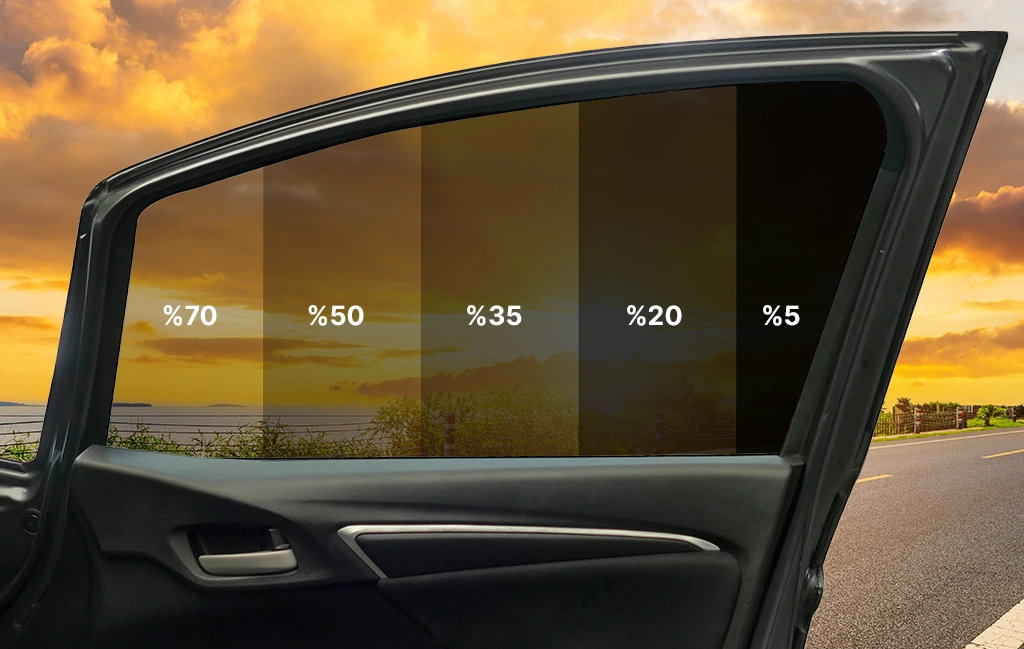
• 70% VLT: Very light tint, commonly required for front windows in stricter states.
• 50% VLT: Balanced option for visibility and comfort.
• 35% VLT: A widely accepted level across many states.
• 20% to 5% VLT: Often referred to as “limo tint.” While 5% is one of the darkest commonly available options, it is illegal for front side windows in virtually all states.
Important Note: Factory glass already blocks a portion of light (typically around 70%–80% VLT). When a film is applied, the combined VLT is measured. This means a 35% film may result in a lower final value once installed.
At Lacuna, all films are tested based on combined VLT performance, not just film rating, ensuring accurate legal compliance after installation.
The “Big Three”: California, Texas, and Florida Window Tint Laws
These three states represent the highest search volume for tinting laws because of their massive populations and extreme weather conditions.
California Legal Window Tint Percentage (The 70% Rule)
California is notorious for having some of the strictest window tinting regulations in the country. If you are looking for the legal window tint percentage California allows, here is the breakdown:
- Front Side Windows: Must allow at least 70% VLT.
- Windshield: Only a non-reflective strip on the top 4 inches (commonly aligned with the AS-1 line) is allowed.
- Back & Rear Windows: You can use any % darkness, provided the vehicle is equipped with dual side mirrors and the film meets reflectivity limits.
- Special Note: California law requires a signed certificate from the installer
- to prove compliance. Using blue, red, or amber tints is strictly prohibited.
At Lacuna, compliance is not just about VLT numbers. Each installation is evaluated based on optical clarity, IR rejection, and long-term durability to ensure both legal safety and performance.
Texas Legal Window Tint Percentage (The 25% Lone Star Standard)
In Texas, the law is much more lenient to help drivers combat the desert heat.
- Front Side Windows: The legal window tint percentage in Texas is 25% VLT.
- Front Windshield: You can apply tint above the AS-1 line (the manufacturer’s marked line at the top of the glass).
- Reflection: Texas allows up to 25% reflectivity, provided the film does not create hazardous glare.
Rear window tint flexibility applies only when side mirrors are present, and reflectivity limits must still be respected.
Florida Legal Window Tint Percentage (The Sunshine State Limit)
Florida drivers often search for the darkest legal window tint percentage to protect their interiors.
- Front Side Windows: Must be 28% VLT or lighter.
- Back Side Windows: Can be as dark as 15% VLT.
- Florida is also famous for its medical exemptions. If you have a documented sun allergy, you can apply for a permit to use darker films than the standard limit.
Window tint laws vary not only by state but also by vehicle type and installation method. Always verify local regulations before applying film.
USA Window Tint Laws Summary (2026)
| State | Front Side Windows | Back Side Windows | Rear Window | Windshield |
| California | 70% VLT | Any %* | Any %* | Top 4 in (AS-1) |
| Texas | 25% VLT | Any %* | Any %* | Above AS-1 line |
| Florida | 28% VLT | 15% VLT | 15% VLT | Above AS-1 line |
| New York | 70% VLT | 70% VLT | Any % | Top strip only |
| New Jersey | Not Allowed** | Any % | Any % | Top strip only |
| Illinois | 35% VLT (sedans) / 50% VLT (SUVs) | 35% VLT | Varies | Top strip only |
| Ohio | 50% VLT | Any % | Any % | Top strip only |
| Georgia | 32% VLT | 32% VLT | 32% VLT | Above AS-1 line |
| North Carolina | 35% VLT | 35% VLT | 35% VLT | Above AS-1 line |
| Virginia | 50% VLT | 35% VLT | 35% VLT | Above AS-1 line |
| Wisconsin | 50% VLT | 35% VLT | 35% VLT | Above AS-1 line |
| Indiana | 30% VLT | 30% VLT | 30% VLT | Above AS-1 line |
| Arizona | 33% VLT | Any % | Any % | Above AS-1 line |
| Michigan | Top strip only | Any % | Any % | Top strip only |
*State conditions may sometimes vary depending on local municipalities, or the results may differ depending on the calibration of the VLT Meter device used by the police officer.
Northeast: New York and New Jersey
In the United States, window tinting laws are often shaped by regional climates. Northern states generally maintain stricter regulations to ensure visibility during harsh winters, while Southern states allow darker tint options to combat extreme heat.
New York & New Jersey: The Strict Northern Guidelines
New York (NY) and New Jersey (NJ) are known for having the most rigorous police inspections regarding tinting. If you are searching for the legal window tint percentage in NY, the numbers might surprise you:
• New York: The limit for front side windows is 70% VLT. Since 2017, tint testing is part of the annual inspection process.
• New Jersey: Aftermarket tint is generally not permitted on front side windows, except in cases of approved medical exemption. Factory glass remains compliant as-is.
Midwest: Illinois, Ohio, and Michigan
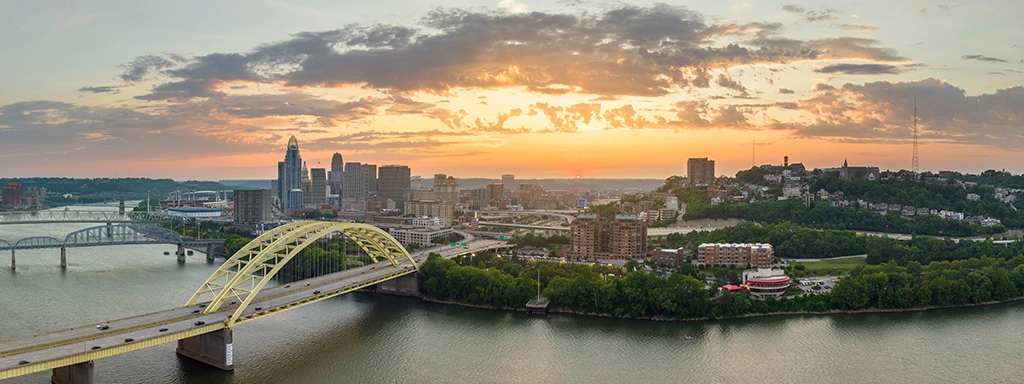
In the Midwest, search volume for Ohio, Illinois, and Michigan remains high, and their laws offer a unique balance:
• Illinois: Tint laws vary depending on vehicle type and rear window tint levels. For many passenger vehicles, front side windows typically fall within a 35%–50% VLT range depending on configuration.
• Ohio: The legal window tint percentage in Ohio is 50% VLT for front side windows.
• Michigan: Tinting is generally limited to a strip along the top portion of the front windshield and front side windows. Full front side tint is restricted, with regulations depending on placement and visibility.
Southeast: Georgia, North Carolina, and Virginia
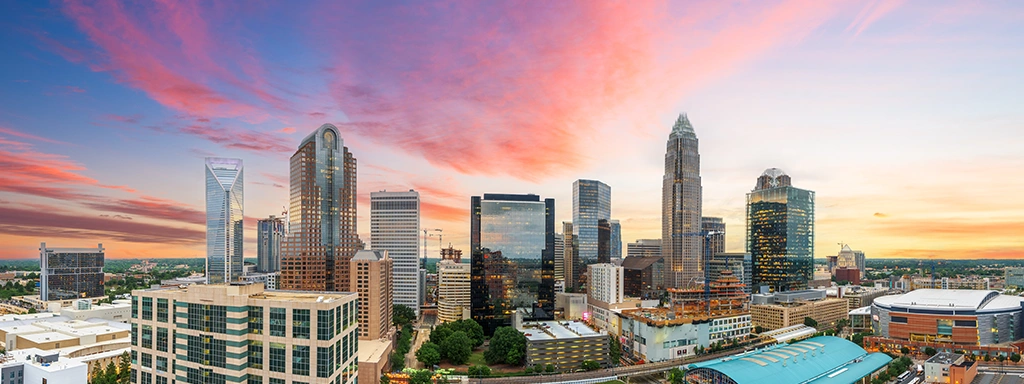
- Georgia: 32% VLT is the minimum for all side and rear windows. Reflectivity must stay below 20%.
- North Carolina: 35% VLT is required on all side windows. The AS-1 strip is permitted on the windshield.
- Virginia: 50% VLT on front side windows, 35% permitted on rear side and back windows.
Midwest and West: Wisconsin, Indiana, and Arizona

- Wisconsin: 50% VLT on front side windows, 35% on rear side windows.
- Indiana: 30% VLT across front and rear side windows. Note this is stricter than many guides report — confirm before installation.
- Arizona: 33% VLT on front side windows, with no restriction on rear windows. One of the most permissive states for rear tinting.
Are Colored, Mirror, and Specialty Tints Legal?
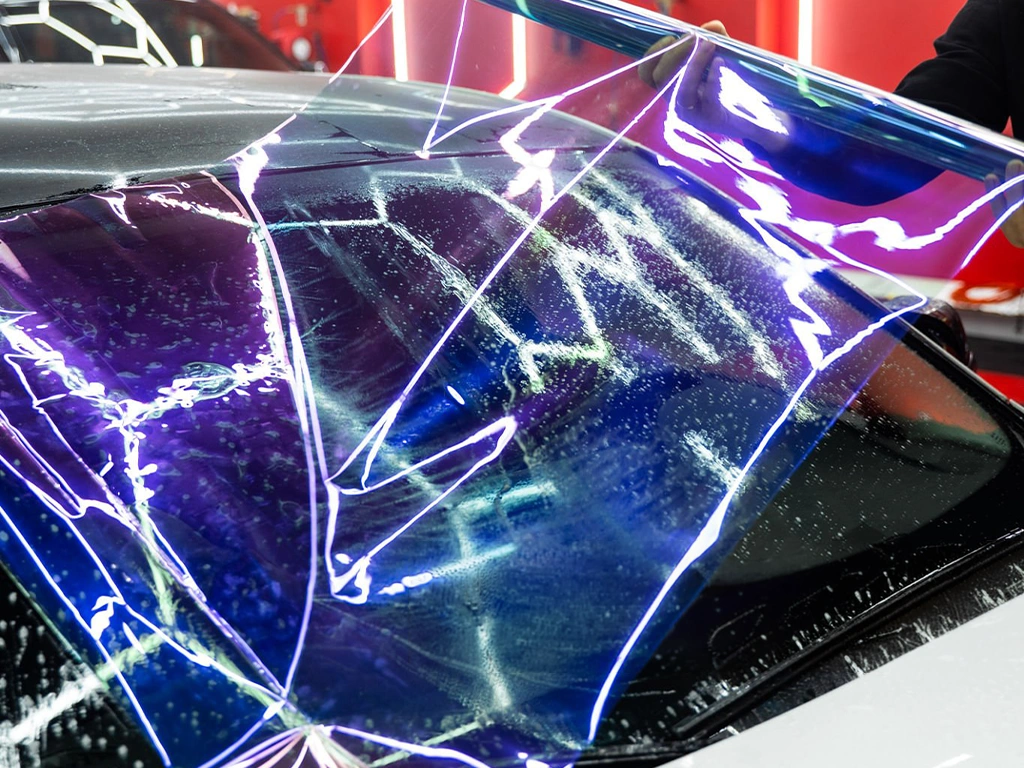
Your search data shows high interest in Blue, Red, Pink, Mirror, Chrome, and Chameleon tints.
• Blue and Red Window Tint: Restricted in many states due to potential confusion with emergency vehicles.
• Pink and Purple Tints: Often classified as obstructive or non-compliant if they affect visibility or appear degraded over time.
• Mirror and Chrome (Reflective) Tinting: Allowed only within specific reflectivity limits depending on the state. Excessive reflectivity may result in violations.
• Chameleon Tint: Often exceeds reflectivity or color-shift regulations, making it non-compliant in many regions.
The Front Windshield: What is the “AS-1 Line” and “Eyebrow” Tint?
A common question is whether the front windshield can be tinted.
Across the USA, full windshield tinting is generally prohibited. However:
- The AS-1 Line: A manufacturer-marked boundary near the top of the windshield. Tinting is allowed above this line, which typically corresponds to a strip of approximately 4–6 inches depending on the vehicle.
- Medical Exemptions: Drivers with specific medical conditions may apply approved films across a larger portion of the windshield, depending on state regulations.
Common Myths vs. Reality: 4 Signs Your Window Tint is Illegal
The Bubble Test: Bubbling film may be considered a visibility obstruction.
The 5% Limo Trap: Using extremely dark tint on front windows is one of the most common violations.
Missing Certification: Some states require proof of compliance via certificate or labeling.
VLT Miscalculation: Film + factory glass combined value determines legality, not film alone.
Why Darker Is Not Always Better: The Lacuna Premium Selective Advantage
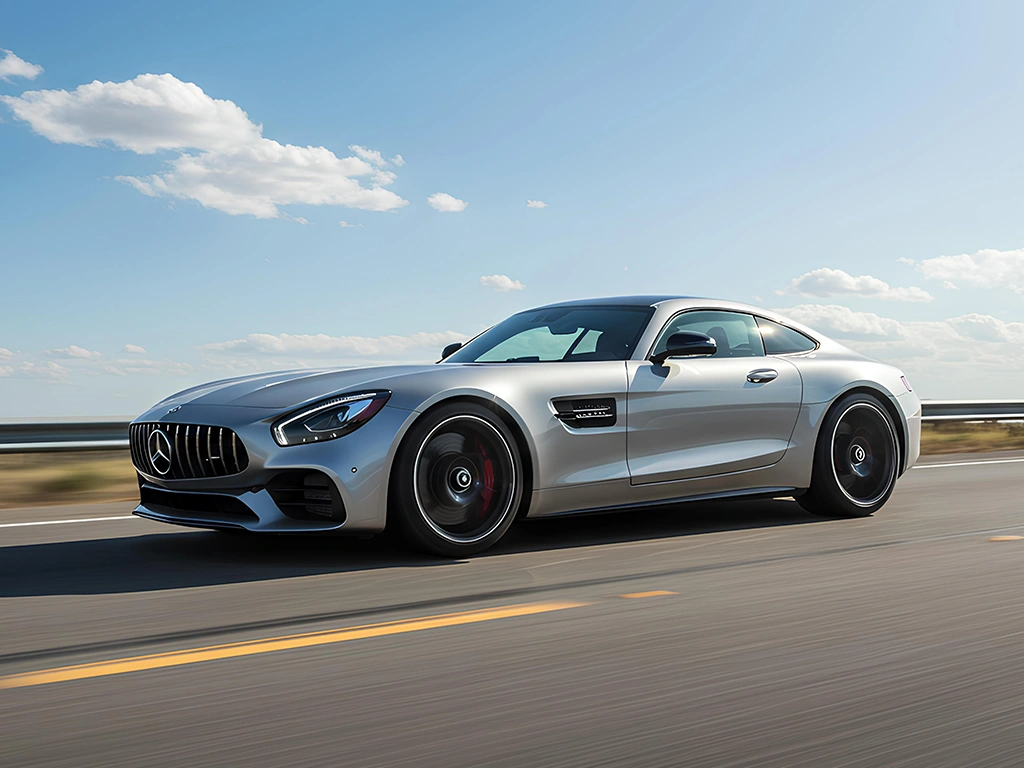
One of the most persistent myths in window tinting is that darker film means better performance. The reality, backed by the technology inside Lacuna’s Premium Selective line, is the exact opposite.
Lacuna Premium Selective is engineered with Sputtered Technology — an advanced manufacturing process that bonds ultra-thin layers of metal, including gold particles, directly into the film structure. Rather than simply absorbing solar energy like conventional dyed films, the Premium Selective actively reflects UV, infrared, and solar heat before it enters the cabin. The result is a fundamentally different class of performance.
Here is what that looks like in practice with the Premium Selective 70 — the lightest variant, designed for states like California and New York where front windows must meet a 70% VLT standard:
- Visible Light Transmitted (VLT): 66% — fully compliant with the strictest state laws
- IR (Infrared) Rejection: 87% — blocking the primary source of in-cabin heat
- Total Solar Energy Rejected (TSER): 59%
- UV Rejection: 99% or greater
- Solar Protection Factor (SPF): 1000+
- Warranty: 15 Years
In plain terms: a driver in California with a legal 66% VLT Premium Selective installation is blocking 87% of infrared heat and virtually all UV radiation — with windows that appear nearly clear. No dark film required.
For drivers in more permissive states who prefer a darker shade, the Premium Selective is available in 10%, 20%, 30%, and 50% VLT variants. Across the entire range, average performance holds at 83% meaning you gain privacy and aesthetics without sacrificing any of the technical benefits.
Additional features that set the Premium Selective apart from standard automotive films:
- Signal Friendly: Non-metallic construction ensures no interference with GPS, ADAS cameras, radar, or cellular signals — critical for modern vehicles.
- Natural Grey Tone: A neutral, premium aesthetic that complements any vehicle color.
- Fade Resistant: Sputtered construction maintains performance and appearance for the life of the warranty — no purpling, no bubbling.
Explore the full Premium Selective range: lacuna-usa.com/window-films/premium-selective
How to Ensure Your Tint is 100% Legal
- Check Your State Law Daily: Laws can change; always verify with your local state DOT.
- Look for the AS-1 Line: Ensure your front tint stays above this mark.
- Choose Quality Over Darkness: Best ceramic window tinting offers 99% heat protection even at a legal 70% VLT.
- Keep Your Paperwork: Especially in California, keep your installation certificate in your glovebox.
While the legal percentage of window tint varies wildly across the USA, the goal is always safety and visibility. Whether you are fighting the Texas heat or avoiding New York fines, staying within VLT limits protects your wallet and your car’s value.
Share This Guide with Your Friends!
Found this guide helpful? Don’t let your friends and family risk a “fix-it ticket”! Share this Ultimate 2026 Window Tint Guide with anyone looking to upgrade their vehicle. Whether they are driving in the heat of Texas or the strict streets of New York, help them stay legal and cool.
Ready to Upgrade Your Ride?
Choosing the best window tint is about more than just darkness; it’s about superior heat rejection and UV protection.
- Explore Our Solutions: Check out our full range of high-performance Lacuna Window Films to find the perfect match for your car.
- Get Expert Advice: Still not sure about the legal percentage for your specific vehicle? Contact our team today for a free consultation and let our experts guide you through the VLT limits and the best options for your state.