
You have just picked up a new car. The paint is fresh, clean and almost untouched by everyday driving. Naturally, one of the first questions is: when should you put PPF on a new car?
For most brand-new vehicles, the answer is simple: as soon as possible after delivery. Ideally, PPF should be installed within the first week of ownership and before the car starts accumulating significant highway miles.
There is little advantage in waiting for damage to appear first. Paint Protection Film works best when there is still a clean, well-preserved surface underneath it.
What Is the Best Time to Apply PPF to a New Car?
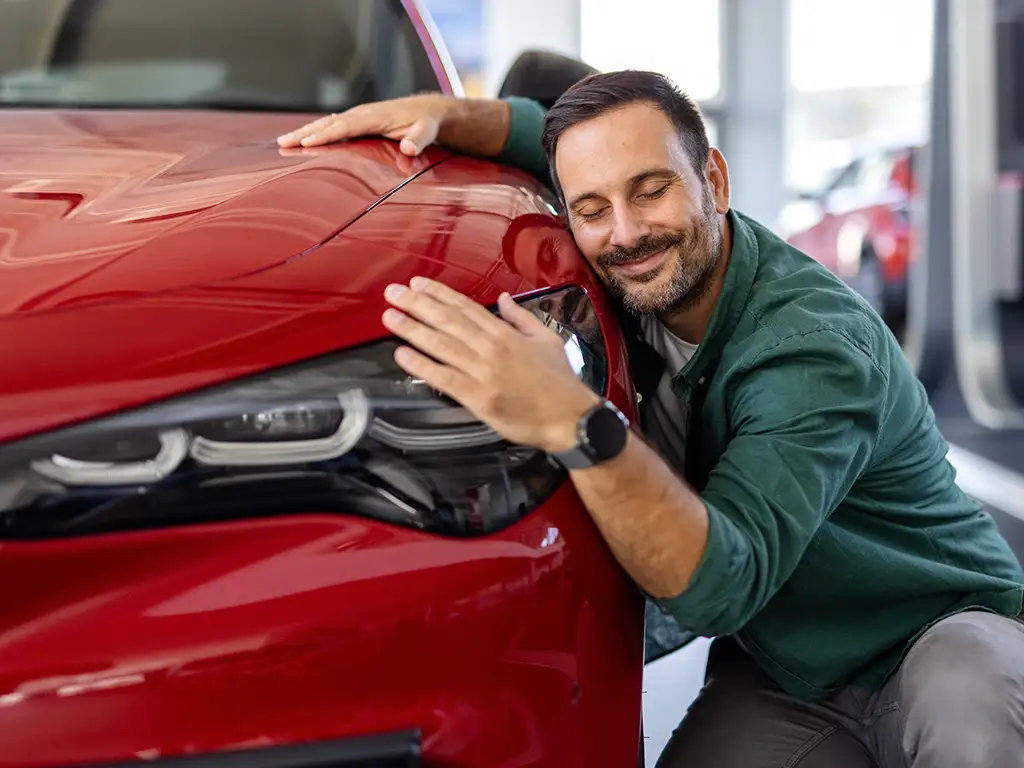
The ideal time is shortly after taking delivery of the vehicle.
Some owners arrange the installation before collecting their car so they can drive directly from the dealership to the PPF installer. This minimizes the amount of time the paint spends exposed to road debris, insects, scratches and other contaminants.
That does not mean something will happen to your paint the moment you leave the dealership. It simply means that every unprotected mile introduces another opportunity for a stone chip or scratch.
Once a chip is already there, PPF can protect the surrounding area from future damage, but it cannot restore the missing paint underneath.
Why Apply PPF Early?
The main advantage is preserving the condition you already have.
Stone Chips Can Happen Immediately
The front bumper, hood, fenders and mirrors are constantly exposed to small stones and road debris, particularly at highway speeds.
You do not need thousands of miles before the first chip appears. Sometimes one unlucky drive is enough.
PPF places a protective layer between these impacts and the painted surface, which is why installing it before regular road use makes sense.
New Paint Usually Needs Less Preparation
PPF should be installed over a properly prepared surface.
If the car has already spent months on the road, the installer may have to deal with contamination, water spots, swirl marks or other defects before applying the film.
With a new vehicle, preparation can often be simpler because there has been less time for this damage to develop.
That said, new does not always mean perfect.
Vehicles can pick up light scratches or wash marks during transportation and dealership preparation. A professional installer should inspect the paint before applying the film and correct defects only where necessary.
Can You Put PPF on a Brand-New Car Immediately?
In most cases, yes.
A common concern is that a new car’s paint needs several weeks to “breathe” or cure before PPF can be applied. This is generally not the same situation as a panel that has just been repainted by a body shop.
Factory paint goes through the manufacturer’s curing process before the vehicle is delivered.
For a normal brand-new vehicle with its original factory paint, the important step is therefore inspection and preparation, rather than waiting an arbitrary number of weeks.
If the vehicle has been repaired or repainted before delivery, however, that changes the situation.
How Soon After Repainting Can You Apply PPF?
Recently repainted panels should be treated differently from factory paint.
Fresh aftermarket paint may need additional time to cure before Paint Protection Film is installed. The correct waiting period depends on the paint system and repair process.
If your vehicle or one of its panels has recently been repainted, follow the recommendations of the body shop, paint manufacturer and PPF installer before covering the surface.
So the distinction is straightforward:
Original factory paint: PPF can generally be applied shortly after delivery.
Recently repainted surface: Allow the recommended curing period before PPF installation.
Can You Apply PPF Later?
Yes. PPF does not have to be installed during the first week of ownership.
A car that is six months or several years old can still benefit from paint protection.
The difference is the condition of the surface before installation.
If the paint has developed swirl marks, contamination or light scratches, additional preparation or paint correction may be required. Existing stone chips can also remain visible because PPF is a protective film, not a replacement for missing paint.
This is why early installation is usually easier: there is simply less existing damage to deal with.
Does a New Car Need Paint Correction Before PPF?
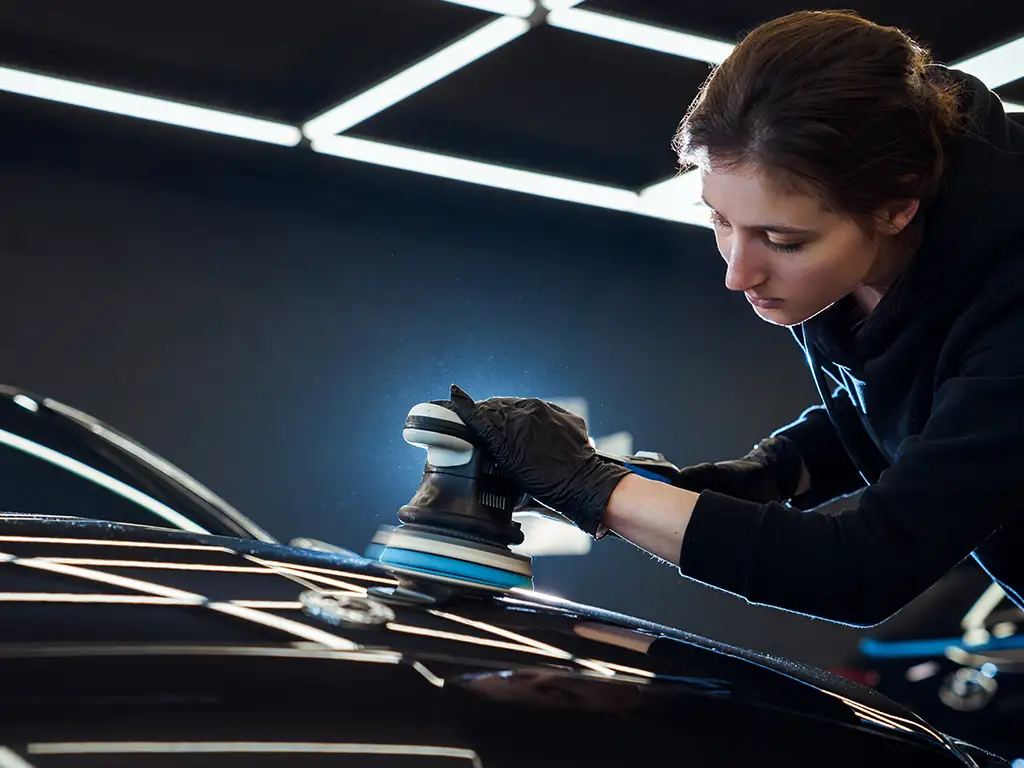
Not every new car needs paint correction.
What every new car does need is an inspection.
Transportation, dealership washing and preparation can sometimes leave fine scratches or other imperfections on a vehicle that has never actually belonged to another driver.
If the paint is already in excellent condition, extensive polishing makes little sense. The surface simply needs to be properly cleaned and prepared.
If defects are visible, the installer may recommend light correction before applying the film.
The best approach is:
Inspect first. Correct only what is necessary. Then apply PPF.
Which Parts of a New Car Should You Protect First?
Full-body protection is not required for every vehicle.
If you want to focus on the areas most exposed to road debris, start with the front of the car.
Common high-impact areas include:
- Front bumper
- Hood
- Front fenders
- Side mirrors
- Rocker panels
- Lower doors
- Door edges
- Door handle areas
- Rear loading area
A full-front PPF package is a popular option because it protects the surfaces that typically receive the most direct impact from stones and highway debris.
Full-body PPF provides broader coverage and can make sense for owners who want maximum protection across painted exterior surfaces.
The right choice depends on your driving habits, budget and how much of the vehicle you want to protect.
Is PPF Worth It on a New Car?
A new car is actually one of the most logical times to consider PPF because you are protecting the paint before significant damage has occurred.
It can make particular sense if you:
- Drive frequently on highways
- Travel on roads with gravel or debris
- Plan to keep the vehicle for several years
- Care strongly about maintaining the original paint
- Want to reduce stone chips and everyday scratches
PPF is not only relevant to exotic or extremely expensive cars. Whether it makes sense depends more on how the vehicle will be used and how important paint condition is to you.
Are There Any Downsides to PPF?
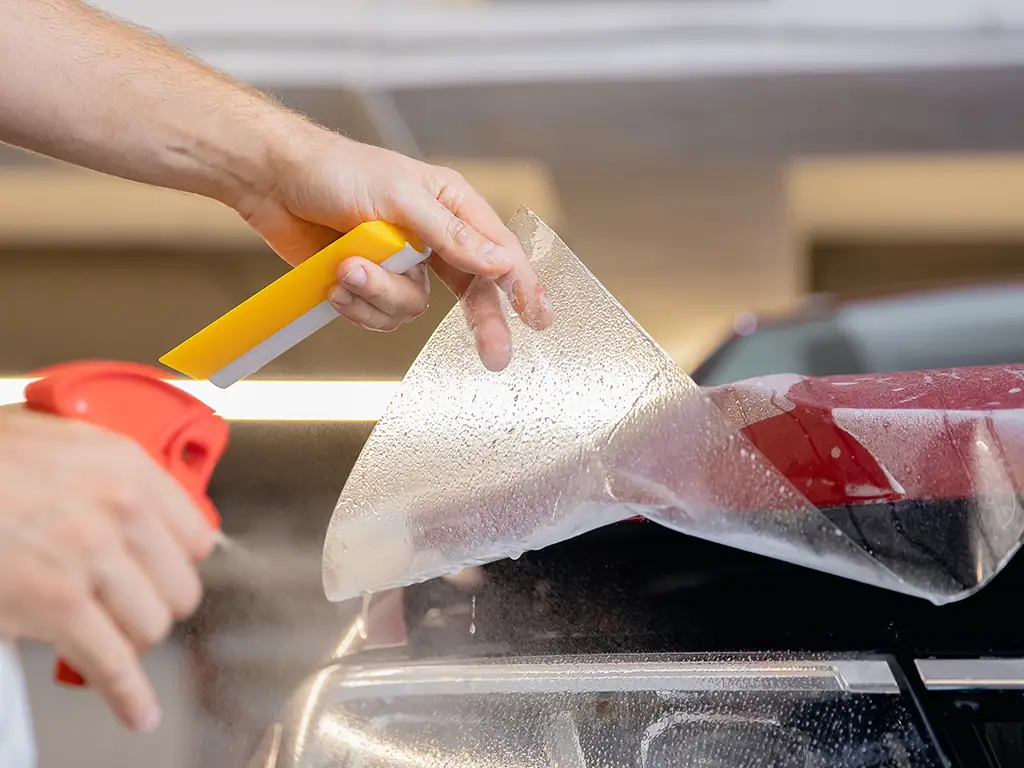
The main consideration is cost. Quality film and professional installation require an upfront investment.
Installation quality also matters. Poor surface preparation or incorrect application can affect the final appearance and durability of the film.
PPF will also eventually need to be removed or replaced as it ages.
For those reasons, choosing a quality film and an experienced installer is just as important as choosing when to apply it.
Should You Get PPF Before Driving Your New Car?
You do not need to be afraid of driving your new car without PPF.
But if you already know you want Paint Protection Film, there is little reason to deliberately wait.
Scheduling the installation soon after delivery gives you the opportunity to protect the paint while it is still close to its original condition and before normal road use begins adding chips, scratches and other imperfections.
For a brand-new vehicle, the best time to install PPF is usually the earliest practical opportunity after delivery.
Inspect the paint, prepare the surface properly and protect the areas that matter most to you.
With Lacuna Paint Protection Film solutions, the goal is simple: preserve the original finish before everyday driving has a chance to change it.
Related Articles and Recommended Links
- Lacuna PPF Products and Solutions – Explore professional film options designed to protect your car’s original paint for years to come.
- Full Car PPF vs. Front Only: Which Package Is Best for Your Vehicle? – Choose the ideal protection package tailored to your driving habits and budget.
- Contact Us – Get in touch with our team of experts to schedule a professional PPF installation for your vehicle.