

Black Out
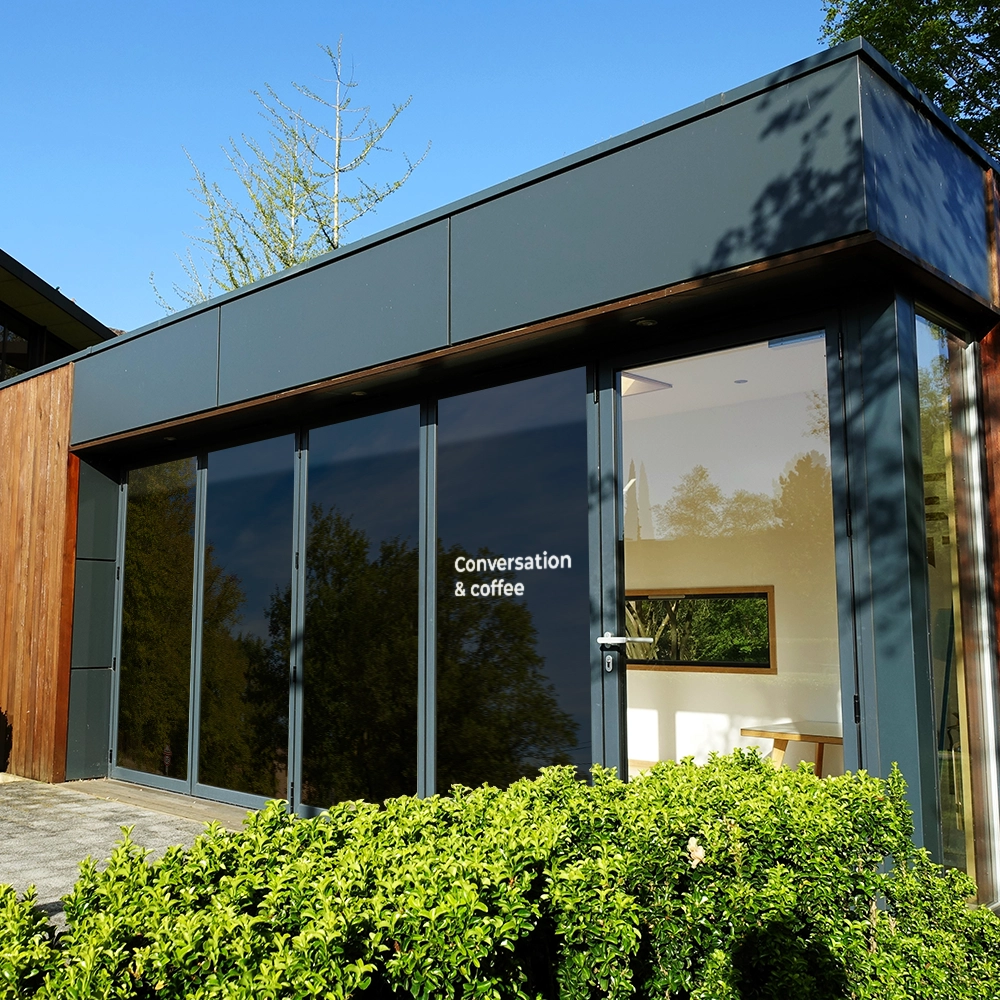
LACUNA Black Out window film provides total opacity with black finish, ensuring complete privacy by blocking views in both directions. Ideal for spaces requiring maximum seclusion, it seamlessly integrates with various architectural styles, offering a modern and sophisticated look.
Beyond privacy, this film reduces UV and IR exposure, enhancing indoor comfort and protecting interiors from sun damage. Its black finish absorbs sunlight, minimizing harsh glare while maintaining a controlled and comfortable indoor environment for both residential and commercial applications.
Measurements
- Visible Light Transmitted (VLT): 1%
- Visible Light Reflected External: 6%
- Visible Light Reflected Internal: 5%
- Glare Reduction: 99%
- Total Solar Energy Transmitted: 1%
- Total Solar Energy Reflected External: 5%
- Total Solar Energy Absorbed: 94%
- Shading Coefficient (SC): 0,37
- Solar Heat Gain Coefficient (SHGC): 0,32
- U Factor: 1,03
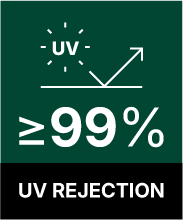
- UV Rejection: ≥99
- Emissivity: 0,86
- Light To Solar Gain: 0,02
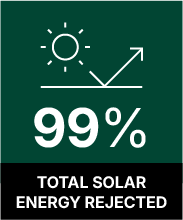
- Total Solar Energy Rejected (TSER): 68%
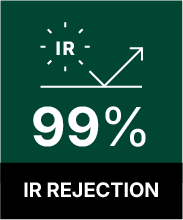
- IR Rejection: 99%
- Infrared Energy Rejection (IRER): 68%
Benefits
- Complete Black Finish
- Decorative Film
- Aesthetic Enhancement
- UV Protection
- Fade Resistance
- Signal-Friendly
- Maximum Privacy
- Energy Cost Reduction
- Multi-Layered Nano Technology
Black Out
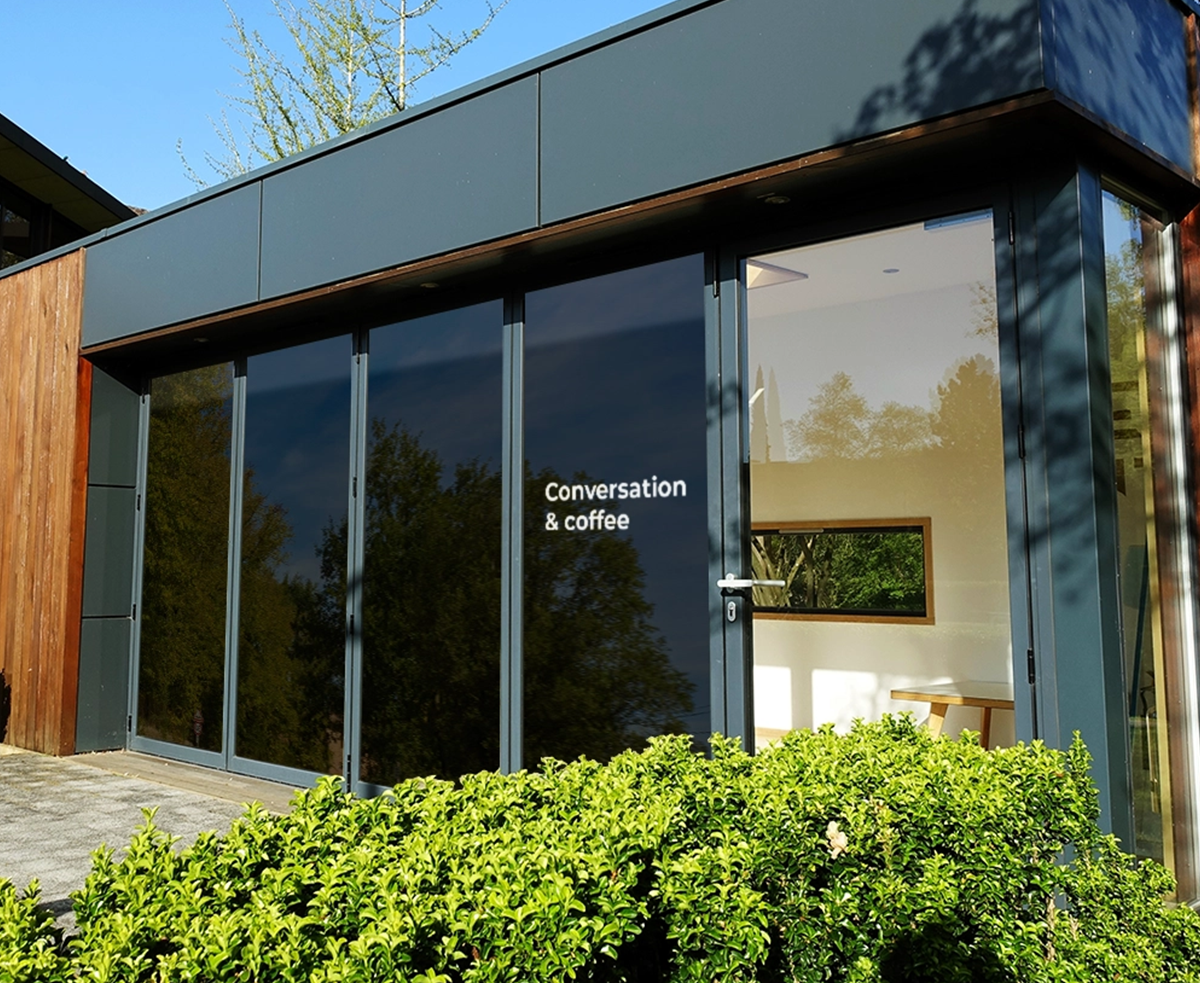
LACUNA Black Out window film provides total opacity with black finish, ensuring complete privacy by blocking views in both directions. Ideal for spaces requiring maximum seclusion, it seamlessly integrates with various architectural styles, offering a modern and sophisticated look.
Beyond privacy, this film reduces UV and IR exposure, enhancing indoor comfort and protecting interiors from sun damage. Its black finish absorbs sunlight, minimizing harsh glare while maintaining a controlled and comfortable indoor environment for both residential and commercial applications.
Measurements
- Visible Light Transmitted (VLT): 1%
- Visible Light Reflected External: 6%
- Visible Light Reflected Internal: 5%
- Glare Reduction: 99%
- Total Solar Energy Transmitted: 1%
- Total Solar Energy Reflected External: 5%
- Total Solar Energy Absorbed: 94%
- Shading Coefficient (SC): 0,37
- Solar Heat Gain Coefficient (SHGC): 0,32
- U Factor: 1,03
- UV Rejection: ≥99
- Emissivity: 0,86
- Light To Solar Gain: 0,02
- Total Solar Energy Rejected (TSER): 68%
- IR Rejection: 99%
- Infrared Energy Rejection (IRER): 68%
Benefits
- Complete Black Finish
- Decorative Film
- Aesthetic Enhancement
- UV Protection
- Fade Resistance
- Signal-Friendly
- Maximum Privacy
- Energy Cost Reduction
- Multi-Layered Nano Technology
Frequently Asked Questions
Blog

Architectural window films allow you to completely rethink how your living or working environment performs without spending thousands on structural[...]

When summer temperatures spike or relentless sunshine beats down through architectural glass, homes and commercial buildings quickly turn into uncomfortable[...]

Sunlight is essential it powers our mood, our vitamin D, our kids' outdoor play. But here's the assumption most of[...]

The Smart Solution Homeowners Are Talking About If you've ever sat in your living room and felt like you were[...]
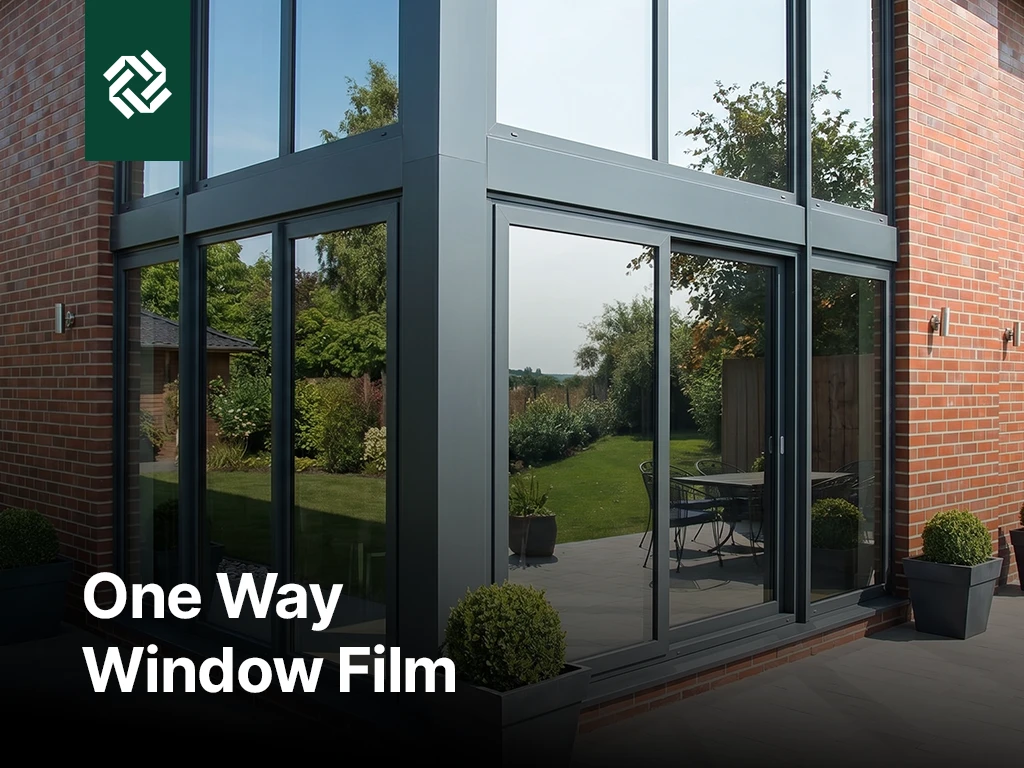
Achieving the perfect balance between enjoying natural sunlight and maintaining indoor privacy is a common architectural challenge. Whether you are[...]
When the summer sun hits, homeowners and building managers across the USA face the same dilemma: beautiful natural light versus[...]
Blog
-
Architectural window films allow you to completely rethink how your living or working environment performs without spending thousands on structural[...]
-
When summer temperatures spike or relentless sunshine beats down through architectural glass, homes and commercial buildings quickly turn into uncomfortable[...]
-
Sunlight is essential it powers our mood, our vitamin D, our kids' outdoor play. But here's the assumption most of[...]
-
The Smart Solution Homeowners Are Talking About If you've ever sat in your living room and felt like you were[...]
-
Achieving the perfect balance between enjoying natural sunlight and maintaining indoor privacy is a common architectural challenge. Whether you are[...]
-
When the summer sun hits, homeowners and building managers across the USA face the same dilemma: beautiful natural light versus[...]
Stay Updated
Let’s Explore What We Can Achieve Together!
By submitting the form you agree to The Lacuna LLC Terms & Conditions and Privacy Policy.