
Lux View X2025-11-05T09:19:49-05:00

Lux View X

LACUNA Lux View X is an externally applied architectural window film designed for advanced window systemsrequiring safety and compatibility. Utilizing Sputtered Technology with gold and silver particles, it delivers superior insulation, UV and IR rejection, and glare reduction, enhancing indoor comfort and energy efficiency while maintaining the building’s aesthetic integrity.

This film protects interiors from sun damage, preventing fading and material degradation while allowing natural light to enter. Its spectrally selective technology ensures an optimal balance between solar filtration and interior illumination, preserving brightness without excessive heat buildup.

Measurements

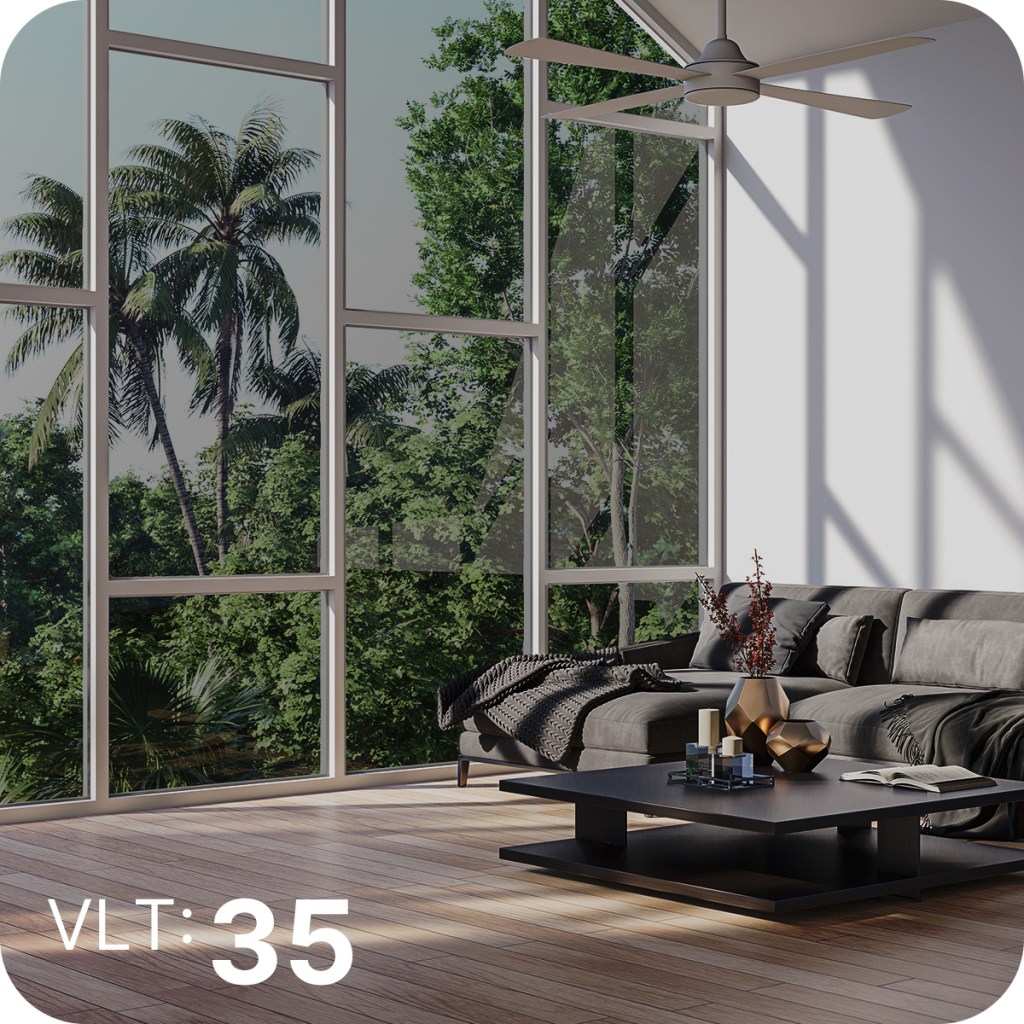
  • Visible Light Transmitted (VLT): 37%
  • Visible Light Reflected External: 7%
  • Visible Light Reflected Internal: 6%
  • Glare Reduction: 57%
  • Total Solar Energy Transmitted: 22%
  • Total Solar Energy Reflected External: 55%
  • Total Solar Energy Absorbed: 30%
  • Shading Coefficient (SC): 0,35
  • Solar Heat Gain Coefficient (SHGC): 0,39
  • U Factor: 0,92
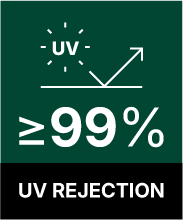
  • UV Rejection: ≥99
  • Emissivity: 0,63
  • Light To Solar Gain: 1,14
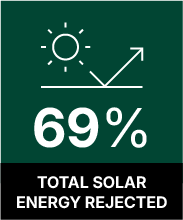
  • Total Solar Energy Rejected (TSER): 69%
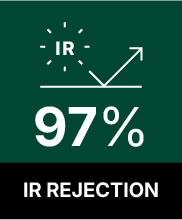
  • IR Rejection: 97%
  • Infrared Energy Rejection (IRER): 83%
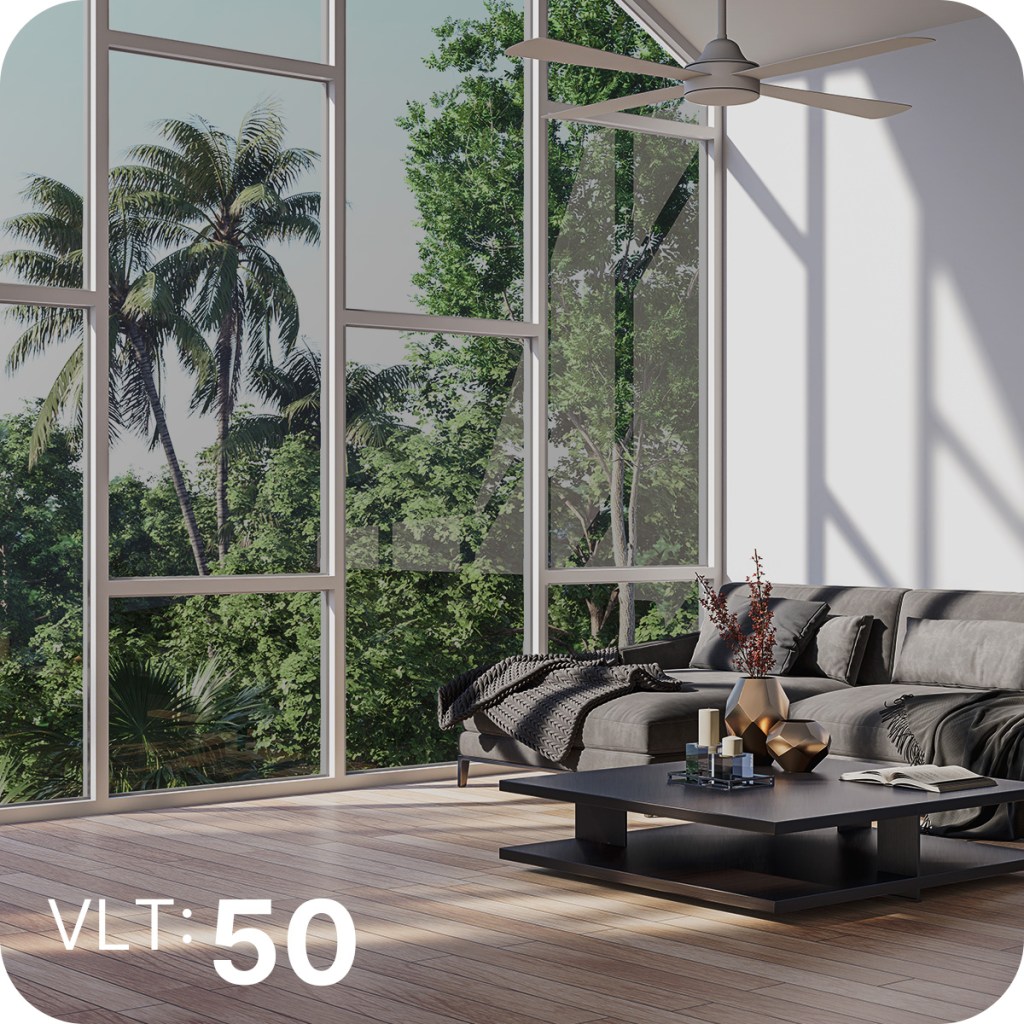
  • Visible Light Transmitted (VLT): 55%
  • Visible Light Reflected External: 6%
  • Visible Light Reflected Internal: 5%
  • Glare Reduction: 35%
  • Total Solar Energy Transmitted: 34%
  • Total Solar Energy Reflected External: 36%
  • Total Solar Energy Absorbed: 30%
  • Shading Coefficient (SC): 0,49
  • Solar Heat Gain Coefficient (SHGC): 0,41
  • U Factor: 0,93
  • UV Rejection: ≥99
  • Emissivity: 0,65
  • Light To Solar Gain: 1,20
  • Total Solar Energy Rejected (TSER): 66%
  • IR Rejection: 97%
  • Infrared Energy Rejection (IRER): 79%
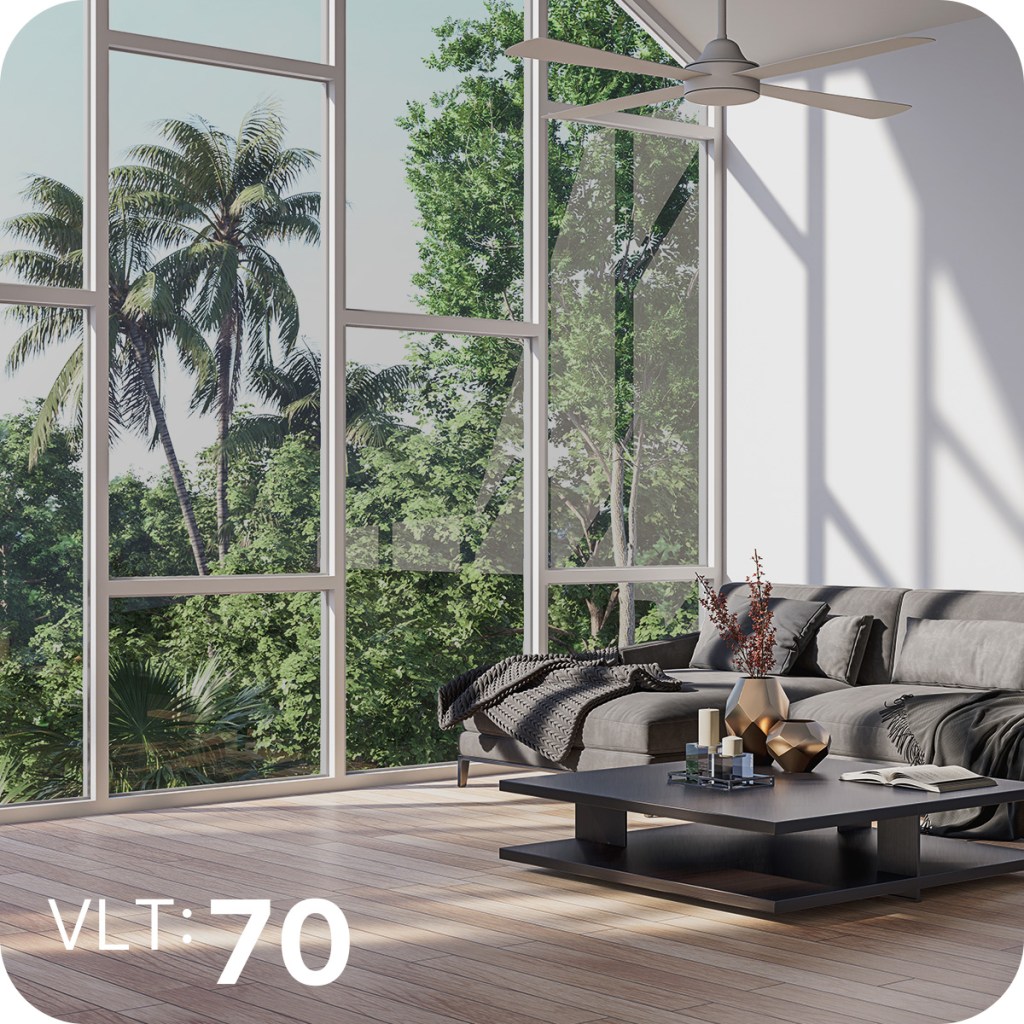
  • Visible Light Transmitted (VLT): 75%
  • Visible Light Reflected External: 7%
  • Visible Light Reflected Internal: 7%
  • Glare Reduction: 27%
  • Total Solar Energy Transmitted: 49%
  • Total Solar Energy Reflected External: 25%
  • Total Solar Energy Absorbed: 29%
  • Shading Coefficient (SC): 0,64
  • Solar Heat Gain Coefficient (SHGC): 0,43
  • U Factor: 0,95
  • UV Rejection: ≥99
  • Emissivity: 0,67
  • Light To Solar Gain: 1,24
  • Total Solar Energy Rejected (TSER): 57%
  • IR Rejection: 93%
  • Infrared Energy Rejection (IRER): 63%

Benefits

  1. Sputtered Technology
  2. Maximum Heat Rejection
  3. Aesthetic Enhancement
  4. Maximum UV Protection
  5. Fade Resistance
  6. Signal-Friendly
  7. Enhanced Privacy
  8. Energy Cost Reduction
  9. Multi-Layered Nano Technology
  10. Exterior Installation

Lux View X

LACUNA Lux View X is an externally applied architectural window film designed for advanced window systemsrequiring safety and compatibility. Utilizing Sputtered Technology with gold and silver particles, it delivers superior insulation, UV and IR rejection, and glare reduction, enhancing indoor comfort and energy efficiency while maintaining the building’s aesthetic integrity.

This film protects interiors from sun damage, preventing fading and material degradation while allowing natural light to enter. Its spectrally selective technology ensures an optimal balance between solar filtration and interior illumination, preserving brightness without excessive heat buildup.

Measurements

  • Visible Light Transmitted (VLT): 37%
  • Visible Light Reflected External: 7%
  • Visible Light Reflected Internal: 6%
  • Glare Reduction: 57%
  • Total Solar Energy Transmitted: 22%
  • Total Solar Energy Reflected External: 55%
  • Total Solar Energy Absorbed: 30%
  • Shading Coefficient (SC): 0,35
  • Solar Heat Gain Coefficient (SHGC): 0,39
  • U Factor: 0,92
  • UV Rejection: ≥99
  • Emissivity: 0,63
  • Light To Solar Gain: 1,14
  • Total Solar Energy Rejected (TSER): 69%
  • IR Rejection: 97%
  • Infrared Energy Rejection (IRER): 83%
  • Visible Light Transmitted (VLT): 55%
  • Visible Light Reflected External: 6%
  • Visible Light Reflected Internal: 5%
  • Glare Reduction: 35%
  • Total Solar Energy Transmitted: 34%
  • Total Solar Energy Reflected External: 36%
  • Total Solar Energy Absorbed: 30%
  • Shading Coefficient (SC): 0,49
  • Solar Heat Gain Coefficient (SHGC): 0,41
  • U Factor: 0,93
  • UV Rejection: ≥99
  • Emissivity: 0,65
  • Light To Solar Gain: 1,20
  • Total Solar Energy Rejected (TSER): 66%
  • IR Rejection: 97%
  • Infrared Energy Rejection (IRER): 79%
  • Visible Light Transmitted (VLT): 75%
  • Visible Light Reflected External: 7%
  • Visible Light Reflected Internal: 7%
  • Glare Reduction: 27%
  • Total Solar Energy Transmitted: 49%
  • Total Solar Energy Reflected External: 25%
  • Total Solar Energy Absorbed: 29%
  • Shading Coefficient (SC): 0,64
  • Solar Heat Gain Coefficient (SHGC): 0,43
  • U Factor: 0,95
  • UV Rejection: ≥99
  • Emissivity: 0,67
  • Light To Solar Gain: 1,24
  • Total Solar Energy Rejected (TSER): 57%
  • IR Rejection: 93%
  • Infrared Energy Rejection (IRER): 63%

Benefits

  1. Sputtered Technology
  2. Maximum Heat Rejection
  3. Aesthetic Enhancement
  4. Maximum UV Protection
  5. Fade Resistance
  6. Signal-Friendly
  7. Enhanced Privacy
  8. Energy Cost Reduction
  9. Multi-Layered Nano Technology
  10. Exterior Installation

Frequently Asked Questions

Do window films interfere with WiFi or cell phone signals?2025-08-28T07:06:32-04:00

Metallic films may slightly weaken signals, but ceramic and non-metallic films do not interfere with connectivity.

How do I know if a window film will fit the aesthetics of my home?2025-08-28T06:38:28-04:00

Many professional installers offer virtual previews, where they digitally overlay window films on photos of your home to see how it will look before installation.

Do I need to remove my blinds or curtains before installing window films?2025-08-28T05:31:55-04:00

Yes, blinds and curtains should be temporarily removed for proper film adhesion and smooth installation.

Will window films peel or bubble over time?2025-08-28T04:57:33-04:00

Properly installed films last 10-20 years without peeling or bubbling. Cheap films or DIY applications are more prone to failure.

Are there anti-EMF or radiation-blocking window films?2025-08-28T04:48:14-04:00

Yes! Specialized EMF-blocking films shield against radiofrequency (RF) and electromagnetic (EMF) waves, making them ideal for data-sensitive buildings.

Are there window films that generate electricity?2025-08-28T04:56:00-04:00

Yes! Solar photovoltaic (PV) window films convert sunlight into usable energy, helping power buildings.

Are there self-tinting window films that adjust based on sunlight?2025-08-28T05:07:09-04:00

Yes! Photochromic and electrochromic films change tint automatically depending on sunlight intensity, providing dynamic shading.

Do window films affect indoor plant growth?2025-08-28T07:07:19-04:00

No, spectrally selective films allow the right light wavelengths for plant growth while blocking harmful UV rays.

How do I choose the best window film for my home or office?2025-08-28T06:44:34-04:00

The best window film depends on your goals:

  • Heat Reduction → Spectrally Selective or Low-E films
  • Privacy → Frosted, One-Way Mirror, or Smart Films
  • Security → Thick, Shatterproof Safety Films
  • Aesthetics → Decorative or Gradient Films
  • Glare Control → Anti-Glare or Neutral-Tint Films
How long does it take to install window films on an entire home or office?2025-08-28T05:25:44-04:00
  • Small Home (1,500 sq ft) → 2-4 hours
  • Medium Home (2,500 sq ft) → 4-6 hours
  • Large Home / Office → 1-2 days, depending on glass size & accessibility
How do I clean my windows after film installation?2025-08-28T05:00:50-04:00
  • Use ammonia-free cleaners.
  • Avoid abrasive sponges.
  • Use a microfiber cloth for best results.
How long do architectural window films last?2025-08-28T07:20:58-04:00

High-performance films last 10-20 years, depending on exposure to sunlight, climate, and film quality.

Are there window films that provide daytime privacy but remain clear at night?2025-08-28T07:18:41-04:00

Yes, transitional films adjust tint levels based on sunlight exposure, offering privacy during the day while maintaining visibility at night.

Do window films prevent people from seeing inside while maintaining outward visibility?2025-08-28T07:10:42-04:00

Yes, reflective and mirrored films provide one-way privacy during the day, but require ambient light control at night.

Do window films prevent birds from colliding with glass?2025-08-28T04:50:29-04:00

Yes! Anti-bird strike films use patterns that make glass more visible to birds, reducing accidents.

Blog

Blog

Stay Updated

Let’s Explore What We Can Achieve Together!

By submitting the form you agree to The Lacuna LLC Terms & Conditions and Privacy Policy.