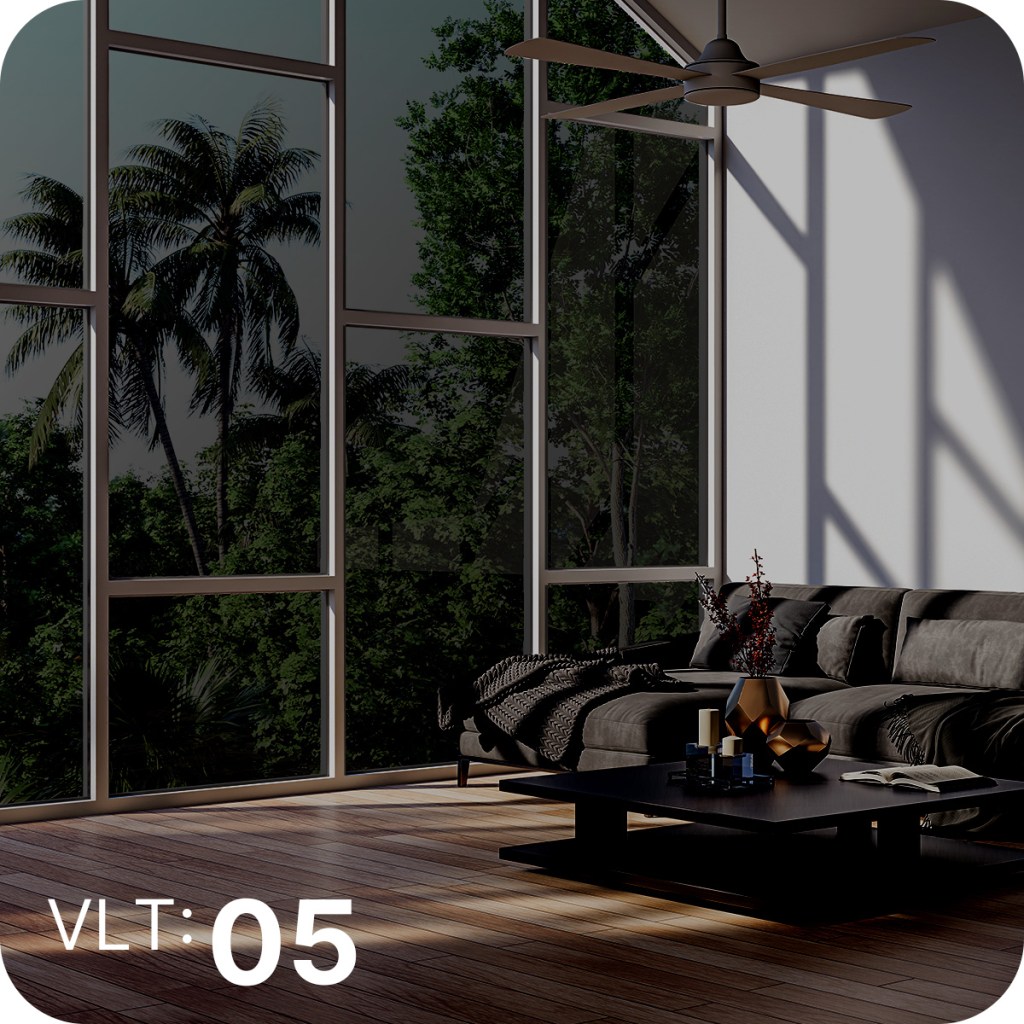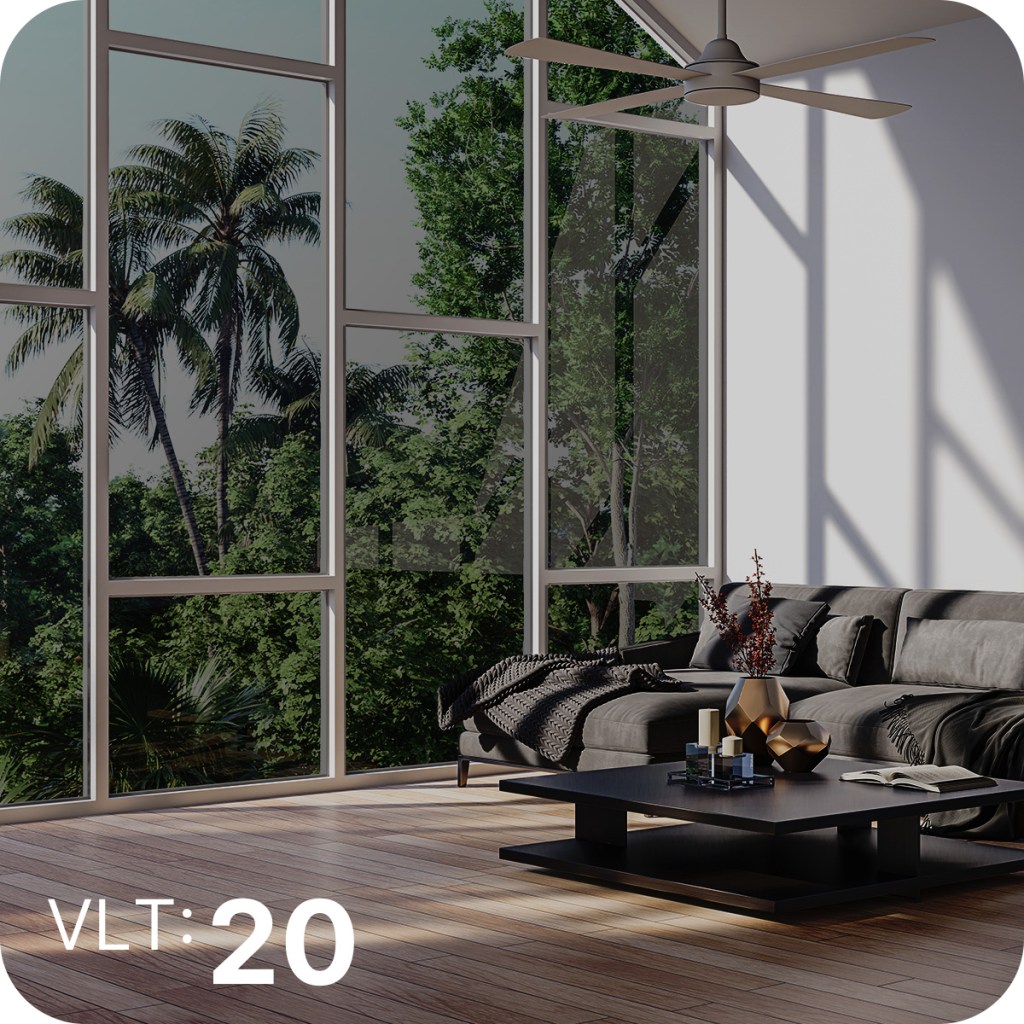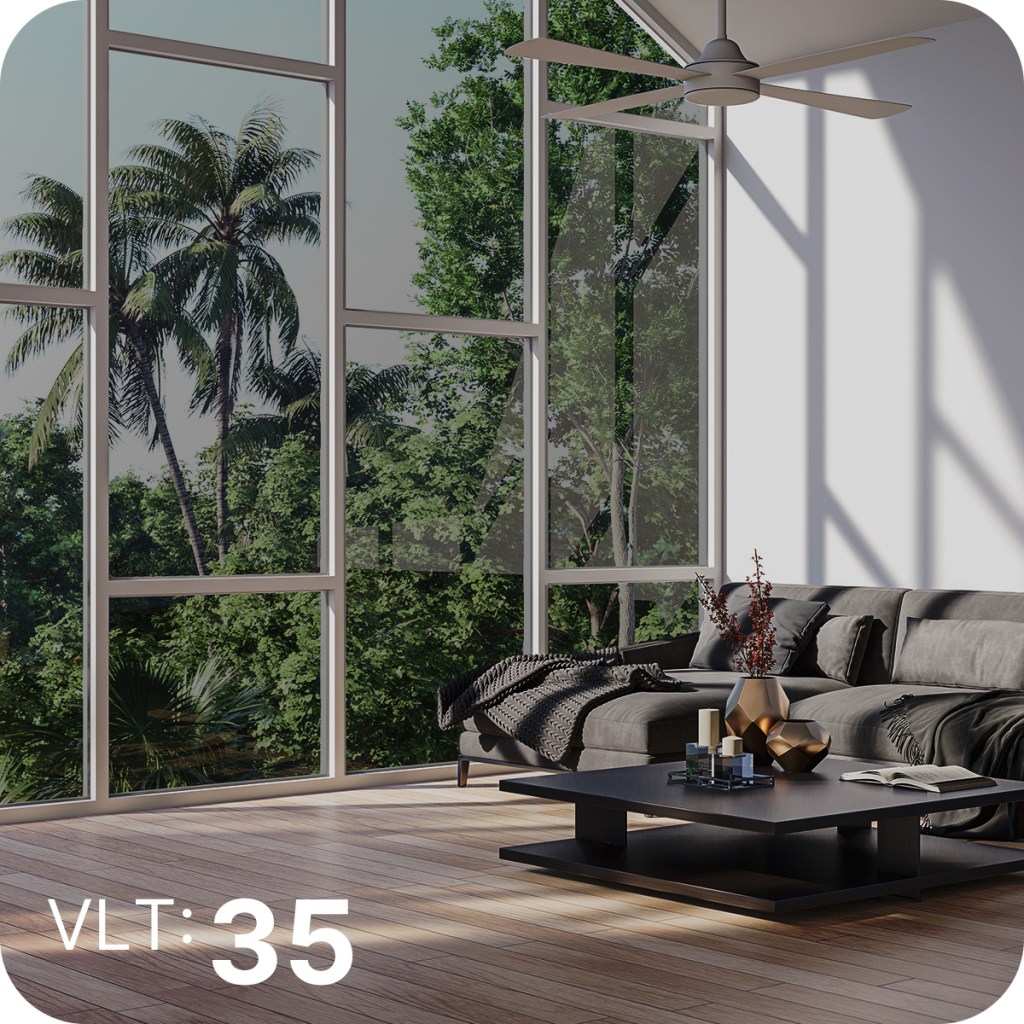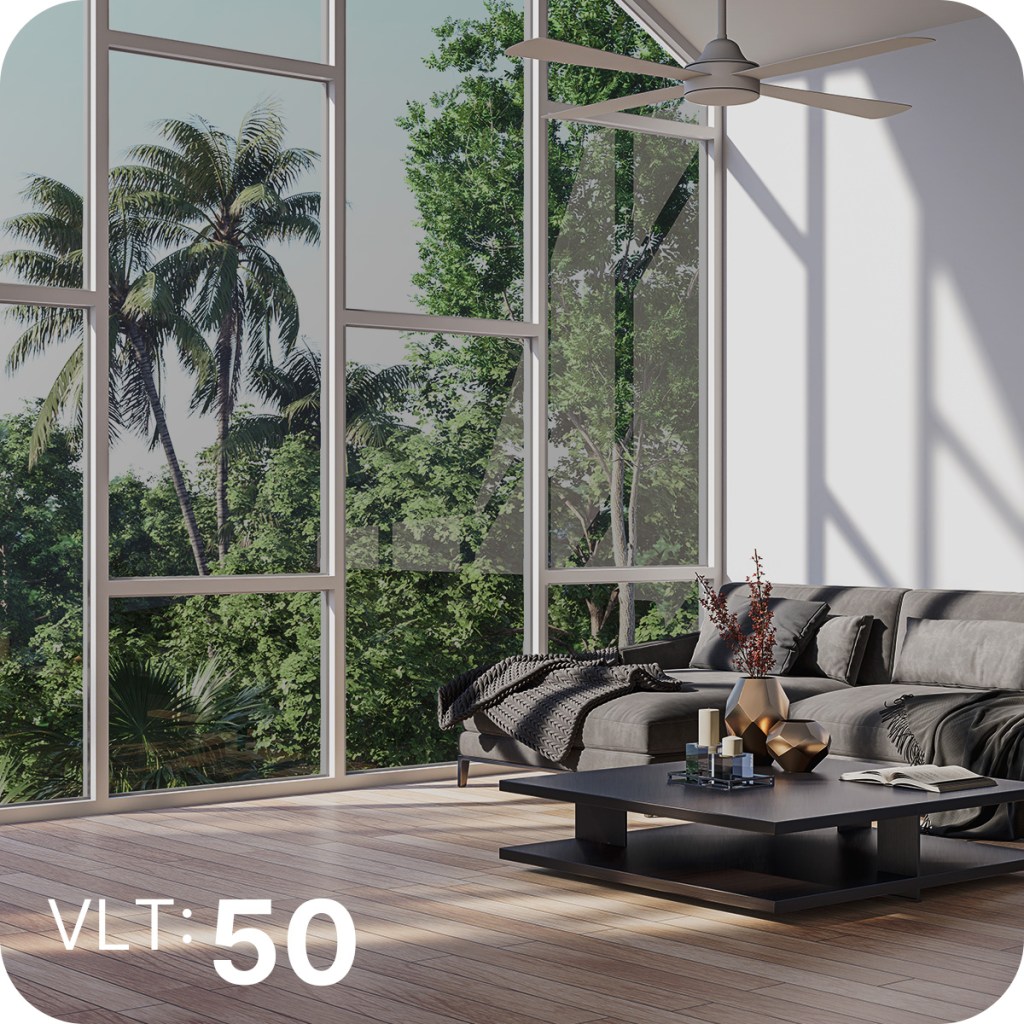

Natural Cool
Dual Reflective

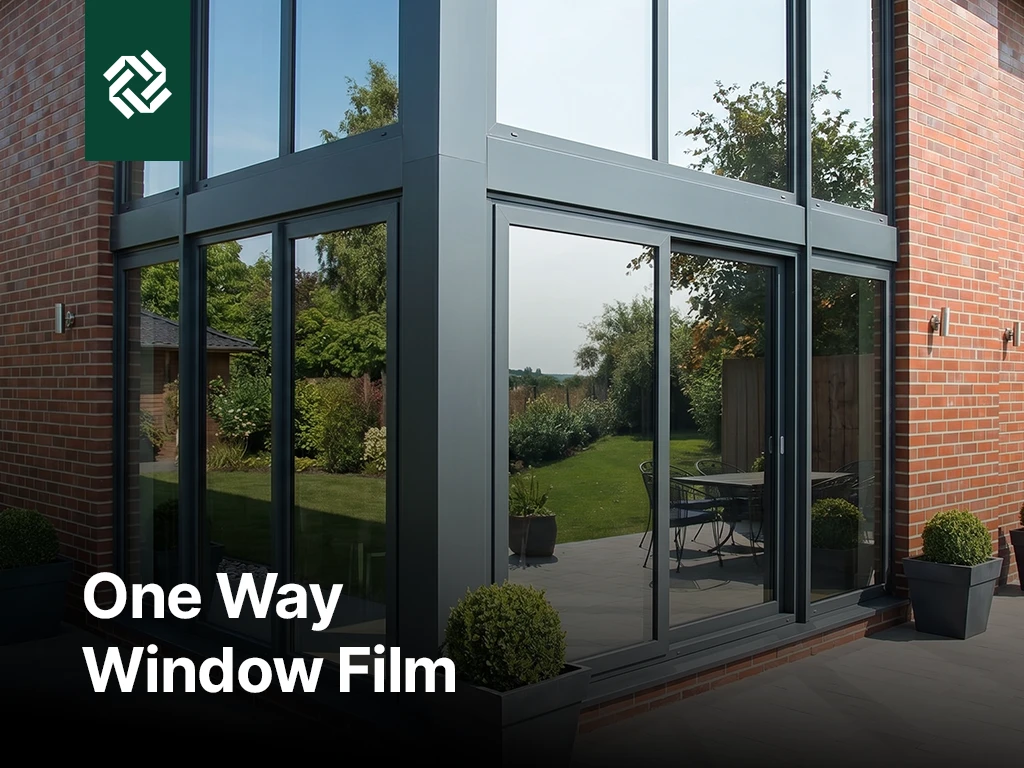
LACUNA Natural Cool Dual Reflective Architectural Window Film combines a natural tint with subtle reflectivity, enhancing a building’s aesthetics while improving energy efficiency. It effectively reduces solar heat gain, helping to maintain a comfortable indoor climate and lower energy costs.

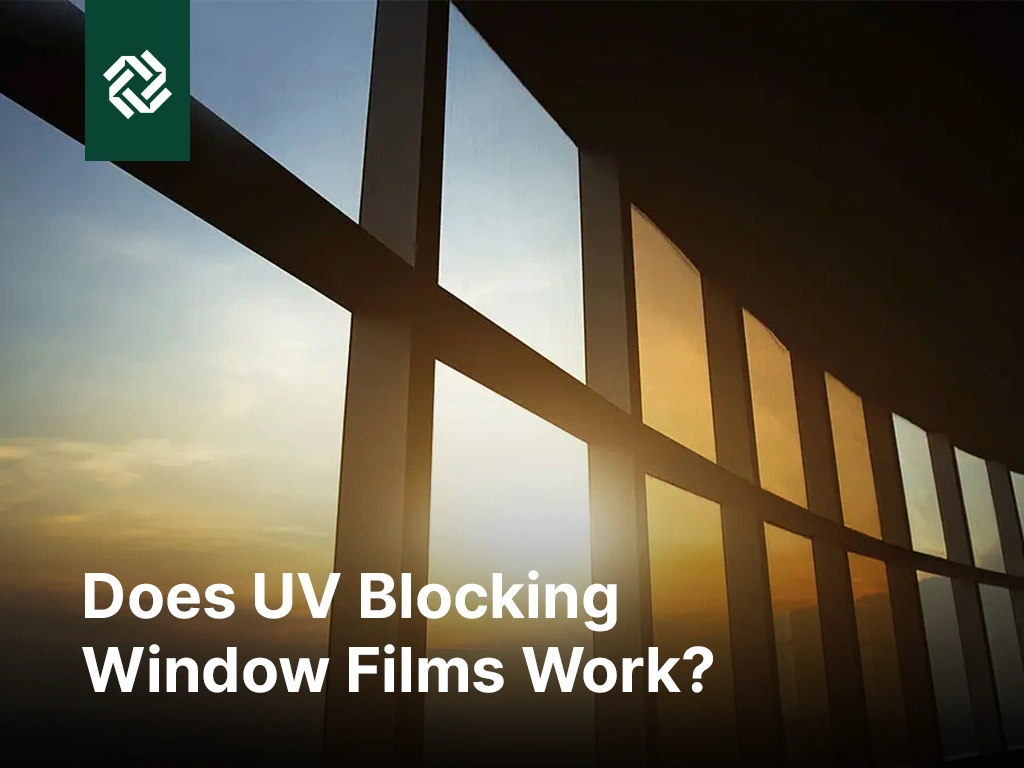
Designed for both performance and aesthetics, this film minimizes interior glare, blocks harmful UV rays, and protects furnishings from fading and wear. Its balanced tint allows for natural light entry while ensuring a welcoming and glare-free indoor environment.

Measurements

  • Visible Light Transmitted (VLT): 8%
  • Visible Light Reflected External: 55%
  • Visible Light Reflected Internal: 15%
  • Glare Reduction: 91%
  • Total Solar Energy Transmitted: 9%
  • Total Solar Energy Reflected External: 45%
  • Total Solar Energy Absorbed: 46%
  • Shading Coefficient (SC): 0,25
  • Solar Heat Gain Coefficient (SHGC): 0,22
  • U Factor: 0,94
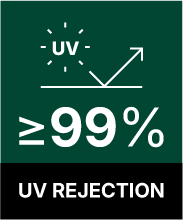
  • UV Rejection: ≥99
  • Emissivity: 0,69
  • Light To Solar Gain: 0,36
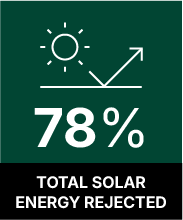
  • Total Solar Energy Rejected (TSER): 78%
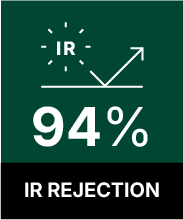
  • IR Rejection: 94%
  • Infrared Energy Rejection (IRER): 77%
  • Visible Light Transmitted (VLT): 14%
  • Visible Light Reflected External: 47%
  • Visible Light Reflected Internal: 21%
  • Glare Reduction: 84%
  • Total Solar Energy Transmitted: 13%
  • Total Solar Energy Reflected External: 40%
  • Total Solar Energy Absorbed: 47%
  • Shading Coefficient (SC): 0,31
  • Solar Heat Gain Coefficient (SHGC): 0,27
  • U Factor: 0,95
  • UV Rejection: ≥99
  • Emissivity: 0,69
  • Light To Solar Gain: 0,52
  • Total Solar Energy Rejected (TSER): 73%
  • IR Rejection: 91%
  • Infrared Energy Rejection (IRER): 74%
  • Visible Light Transmitted (VLT): 27%
  • Visible Light Reflected External: 27%
  • Visible Light Reflected Internal: 14%
  • Glare Reduction: 70%
  • Total Solar Energy Transmitted: 26%
  • Total Solar Energy Reflected External: 25%
  • Total Solar Energy Absorbed: 50%
  • Shading Coefficient (SC): 0,46
  • Solar Heat Gain Coefficient (SHGC): 0,40
  • U Factor: 0,97
  • UV Rejection: ≥99
  • Emissivity: 0,74
  • Light To Solar Gain: 0,67
  • Total Solar Energy Rejected (TSER): 60%
  • IR Rejection: 81%
  • Infrared Energy Rejection (IRER): 61%
  • Visible Light Transmitted (VLT): 34%
  • Visible Light Reflected External: 13%
  • Visible Light Reflected Internal: 8%
  • Glare Reduction: 58%
  • Total Solar Energy Transmitted: 38%
  • Total Solar Energy Reflected External: 12%
  • Total Solar Energy Absorbed: 50%
  • Shading Coefficient (SC): 0,61
  • Solar Heat Gain Coefficient (SHGC): 0,53
  • U Factor: 1,01
  • UV Rejection: ≥99
  • Emissivity: 0,81
  • Light To Solar Gain: 0,70
  • Total Solar Energy Rejected (TSER): 47%
  • IR Rejection: 66%
  • Infrared Energy Rejection (IRER): 47%
  • Visible Light Transmitted (VLT): 45%
  • Visible Light Reflected External: 8%
  • Visible Light Reflected Internal: 7%
  • Glare Reduction: 49%
  • Total Solar Energy Transmitted: 47%
  • Total Solar Energy Reflected External: 8%
  • Total Solar Energy Absorbed: 45%
  • Shading Coefficient (SC): 0,70
  • Solar Heat Gain Coefficient (SHGC): 0,58
  • U Factor: 1,04
  • UV Rejection: ≥99
  • Emissivity: 0,87
  • Light To Solar Gain: 0,74
  • Total Solar Energy Rejected (TSER): 39%
  • IR Rejection: 54%
  • Infrared Energy Rejection (IRER): 38%

Benefits

  1. Natural Reflective Look
  2. Effective Heat Rejection
  3. Aesthetic Enhancement
  4. UV Protection
  5. Fade Resistance
  6. Signal-Friendly
  7. Enhanced Privacy
  8. Energy Cost Reduction
  9. Multi-Layered Nano Technology

Natural Cool
Dual Reflective
LACUNA Natural Cool Dual Reflective Architectural Window Film combines a natural tint with subtle reflectivity, enhancing a building’s aesthetics while improving energy efficiency. It effectively reduces solar heat gain, helping to maintain a comfortable indoor climate and lower energy costs.
Designed for both performance and aesthetics, this film minimizes interior glare, blocks harmful UV rays, and protects furnishings from fading and wear. Its balanced tint allows for natural light entry while ensuring a welcoming and glare-free indoor environment.

Measurements

  • Visible Light Transmitted (VLT): 8%
  • Visible Light Reflected External: 55%
  • Visible Light Reflected Internal: 15%
  • Glare Reduction: 91%
  • Total Solar Energy Transmitted: 9%
  • Total Solar Energy Reflected External: 45%
  • Total Solar Energy Absorbed: 46%
  • Shading Coefficient (SC): 0,25
  • Solar Heat Gain Coefficient (SHGC): 0,22
  • U Factor: 0,94
  • UV Rejection: ≥99
  • Emissivity: 0,69
  • Light To Solar Gain: 0,36
  • Total Solar Energy Rejected (TSER): 78%
  • IR Rejection: 94%
  • Infrared Energy Rejection (IRER): 77%
  • Visible Light Transmitted (VLT): 14%
  • Visible Light Reflected External: 47%
  • Visible Light Reflected Internal: 21%
  • Glare Reduction: 84%
  • Total Solar Energy Transmitted: 13%
  • Total Solar Energy Reflected External: 40%
  • Total Solar Energy Absorbed: 47%
  • Shading Coefficient (SC): 0,31
  • Solar Heat Gain Coefficient (SHGC): 0,27
  • U Factor: 0,95
  • UV Rejection: ≥99
  • Emissivity: 0,69
  • Light To Solar Gain: 0,52
  • Total Solar Energy Rejected (TSER): 73%
  • IR Rejection: 91%
  • Infrared Energy Rejection (IRER): 74%
  • Visible Light Transmitted (VLT): 27%
  • Visible Light Reflected External: 27%
  • Visible Light Reflected Internal: 14%
  • Glare Reduction: 70%
  • Total Solar Energy Transmitted: 26%
  • Total Solar Energy Reflected External: 25%
  • Total Solar Energy Absorbed: 50%
  • Shading Coefficient (SC): 0,46
  • Solar Heat Gain Coefficient (SHGC): 0,40
  • U Factor: 0,97
  • UV Rejection: ≥99
  • Emissivity: 0,74
  • Light To Solar Gain: 0,67
  • Total Solar Energy Rejected (TSER): 60%
  • IR Rejection: 81%
  • Infrared Energy Rejection (IRER): 61%
  • Visible Light Transmitted (VLT): 34%
  • Visible Light Reflected External: 13%
  • Visible Light Reflected Internal: 8%
  • Glare Reduction: 58%
  • Total Solar Energy Transmitted: 38%
  • Total Solar Energy Reflected External: 12%
  • Total Solar Energy Absorbed: 50%
  • Shading Coefficient (SC): 0,61
  • Solar Heat Gain Coefficient (SHGC): 0,53
  • U Factor: 1,01
  • UV Rejection: ≥99
  • Emissivity: 0,81
  • Light To Solar Gain: 0,70
  • Total Solar Energy Rejected (TSER): 47%
  • IR Rejection: 66%
  • Infrared Energy Rejection (IRER): 47%
  • Visible Light Transmitted (VLT): 45%
  • Visible Light Reflected External: 8%
  • Visible Light Reflected Internal: 7%
  • Glare Reduction: 49%
  • Total Solar Energy Transmitted: 47%
  • Total Solar Energy Reflected External: 8%
  • Total Solar Energy Absorbed: 45%
  • Shading Coefficient (SC): 0,70
  • Solar Heat Gain Coefficient (SHGC): 0,58
  • U Factor: 1,04
  • UV Rejection: ≥99
  • Emissivity: 0,87
  • Light To Solar Gain: 0,74
  • Total Solar Energy Rejected (TSER): 39%
  • IR Rejection: 54%
  • Infrared Energy Rejection (IRER): 38%

Benefits

  1. Natural Reflective Look
  2. Effective Heat Rejection
  3. Aesthetic Enhancement
  4. UV Protection
  5. Fade Resistance
  6. Signal-Friendly
  7. Enhanced Privacy
  8. Energy Cost Reduction
  9. Multi-Layered Nano Technology

Frequently Asked Questions

Yes, spectrally selective films let in visible light while blocking infrared heat, keeping interiors bright yet cool.

  • Small Home (1,500 sq ft) → 2-4 hours
  • Medium Home (2,500 sq ft) → 4-6 hours
  • Large Home / Office → 1-2 days, depending on glass size & accessibility

Yes! Glare-reducing window films minimize screen reflections, making them ideal for home offices and entertainment rooms.

Many professional installers offer virtual previews, where they digitally overlay window films on photos of your home to see how it will look before installation.

Yes! Anti-bird strike films use patterns that make glass more visible to birds, reducing accidents.

Yes! A noticeable difference is felt immediately, though full heat rejection efficiency is reached after 1-2 weeks as the film fully cures.

High-performance films last 10-20 years, depending on exposure to sunlight, climate, and film quality.

Metallic films may slightly weaken signals, but ceramic and non-metallic films do not interfere with connectivity.

No, spectrally selective films allow the right light wavelengths for plant growth while blocking harmful UV rays.

Yes, acoustic window films absorb external noise, reducing sound pollution by up to 30%.

Yes! Many brands offer custom-cut or printed designs, including frosted glass effects, branding elements, and artistic patterns.

Standard one-way privacy films lose effectiveness at night when interior lights are brighter than outdoor lighting. Smart switchable films adjust tint levels automatically for 24/7 privacy.

Low-E (low-emissivity) films reflect solar heat in summer and retain indoor heat in winter, reducing HVAC energy consumption by up to 30%.

Yes, but special adhesive films are required for non-smooth surfaces. Some decorative window films also mimic frosted textures.

Yes, advanced self-cleaning films use hydrophobic coatings to repel dirt and kill bacteria with UV-activated nanoparticles.

Blog

Blog

Stay Updated

Let’s Explore What We Can Achieve Together!

By submitting the form you agree to The Lacuna LLC Terms & Conditions and Privacy Policy.