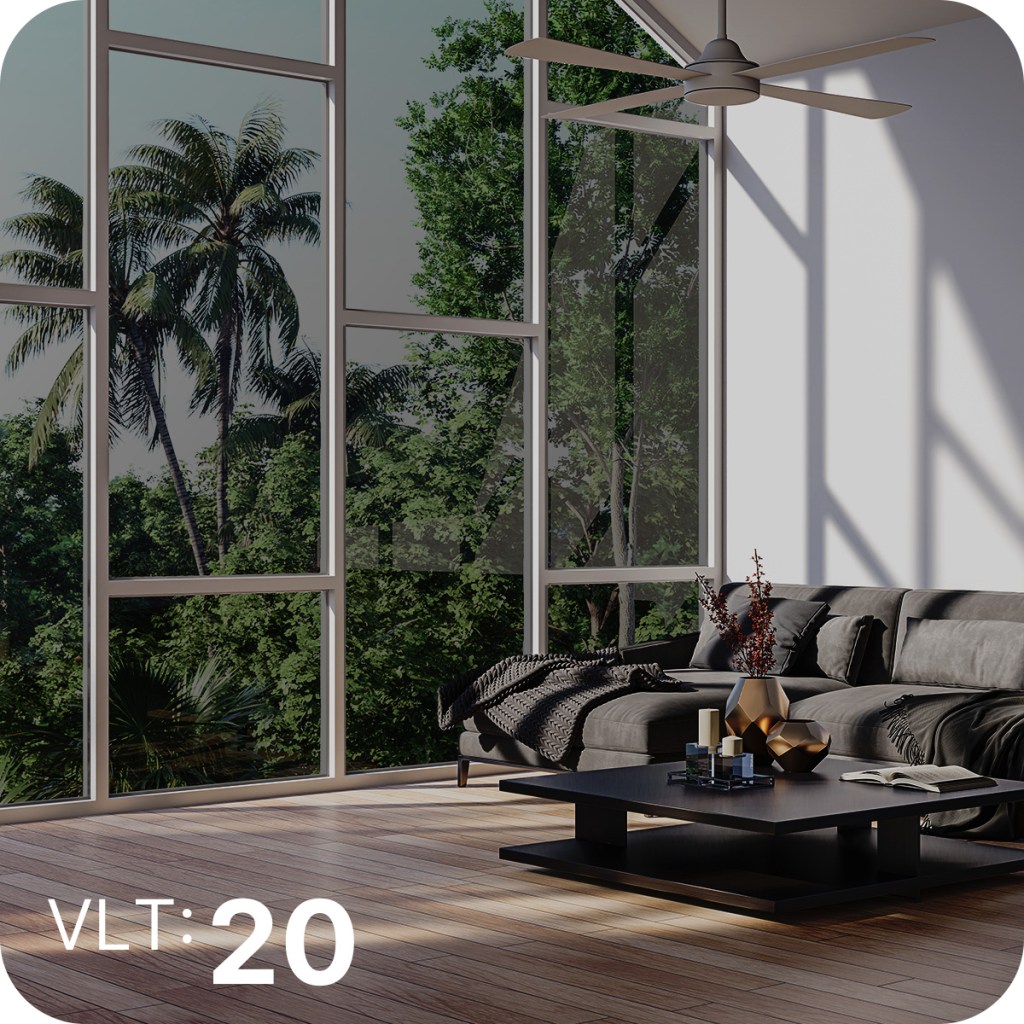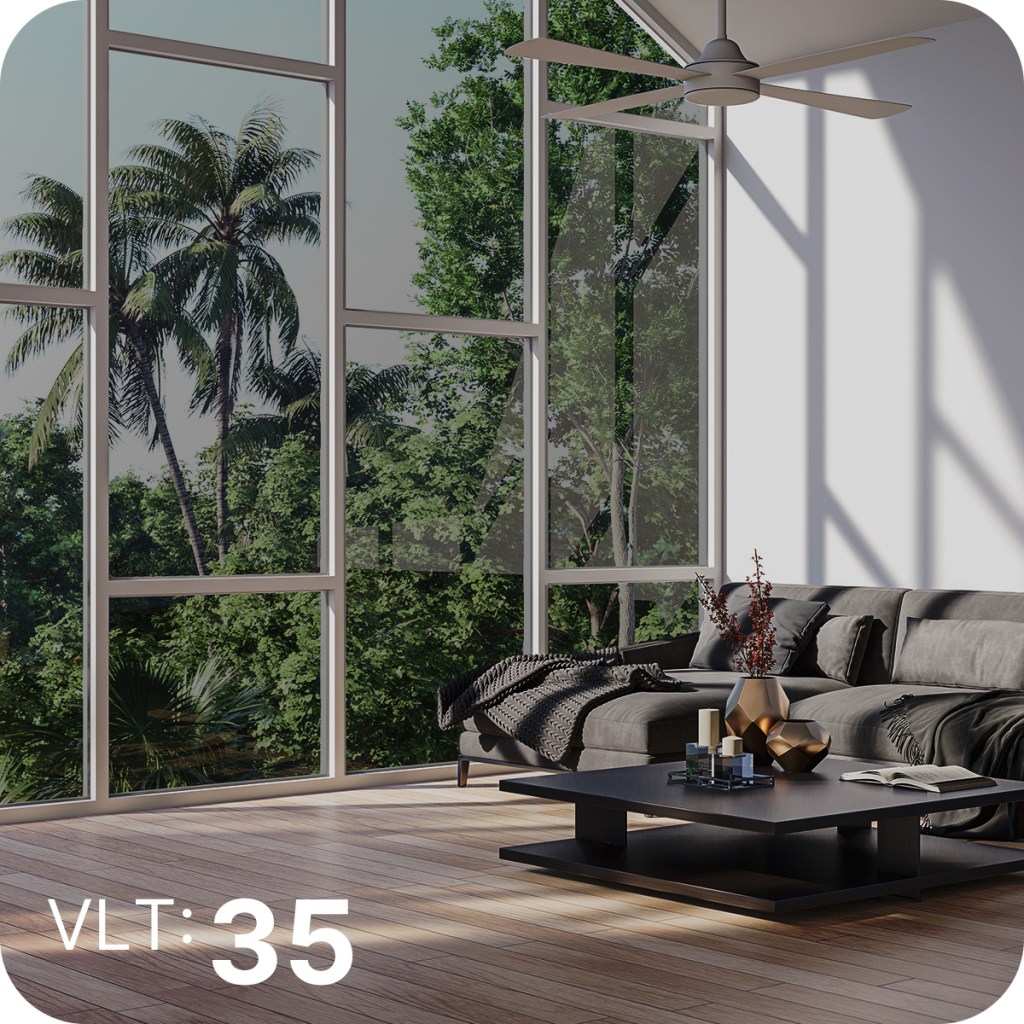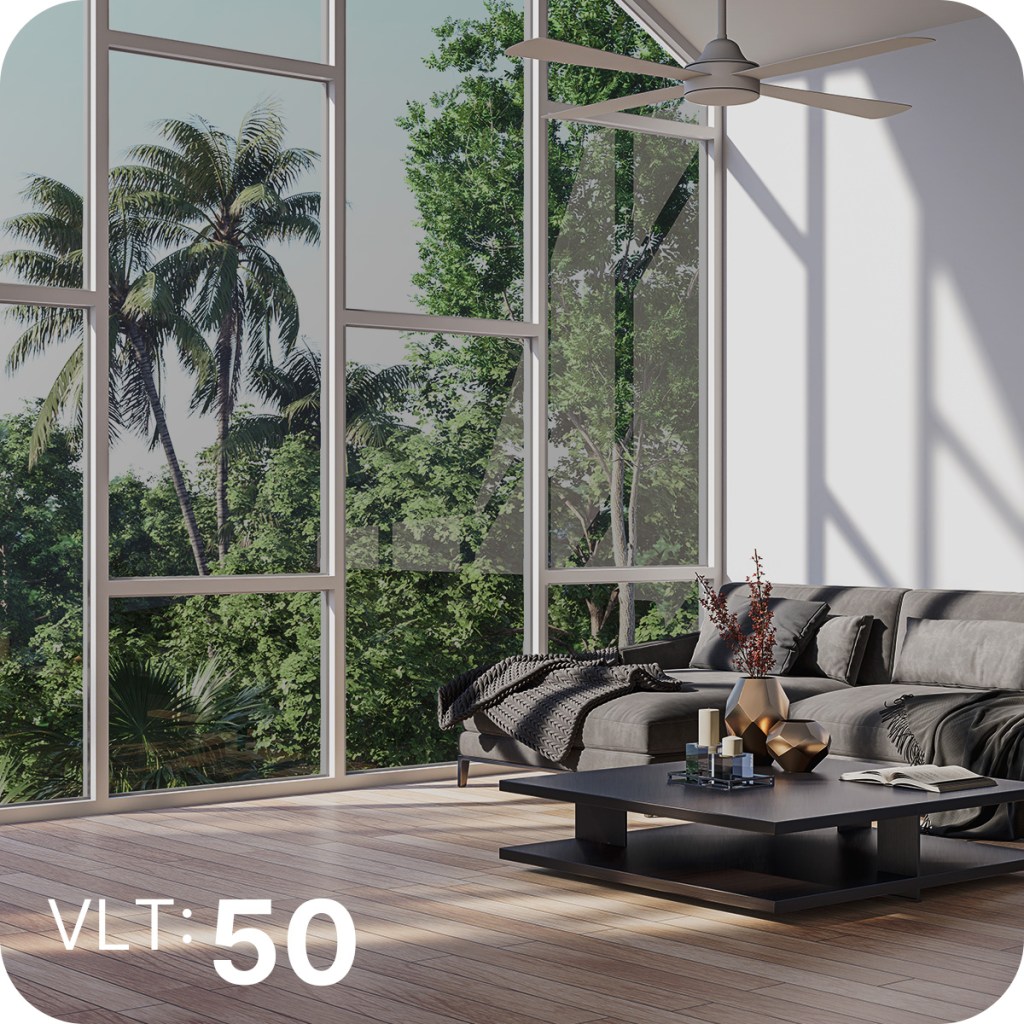

Reflective Silver

LACUNA Reflective Silver Architectural Window Film combines solar control and aesthetics. Engineered with reflective technology, it effectively reduces solar heat gain, minimizes glare, and prevents interior fading, improving indoor comfort and energy efficiency.

Beyond thermal regulation, this film blocks harmful UV rays, protecting furnishings from long-term sun damage. It also enhances daytime privacy, creating a reflective barrier that limits outside visibility while allowing natural light to enter, maintaining a bright and comfortable indoor environment.

Measurements

  • Visible Light Transmitted (VLT): 13%
  • Visible Light Reflected External: 70%
  • Visible Light Reflected Internal: 70%
  • Glare Reduction: 84%
  • Total Solar Energy Transmitted: 12%
  • Total Solar Energy Reflected External: 71%
  • Total Solar Energy Absorbed: 17%
  • Shading Coefficient (SC): 0,19
  • Solar Heat Gain Coefficient (SHGC): 0,20
  • U Factor: 0,85
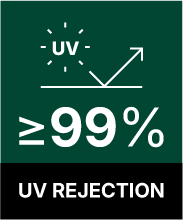
  • UV Rejection: ≥99
  • Emissivity: 0,55
  • Light To Solar Gain: 0,67
  • Total Solar Energy Rejected (TSER): 83%
  • IR Rejection: 96%
  • Infrared Energy Rejection (IRER): 81%
  • Visible Light Transmitted (VLT): 19%
  • Visible Light Reflected External: 55%
  • Visible Light Reflected Internal: 56%
  • Glare Reduction: 79%
  • Total Solar Energy Transmitted: 13%
  • Total Solar Energy Reflected External: 45%
  • Total Solar Energy Absorbed: 42%
  • Shading Coefficient (SC): 0,28
  • Solar Heat Gain Coefficient (SHGC): 0,24
  • U Factor: 0,88
  • UV Rejection: ≥99
  • Emissivity: 0,58
  • Light To Solar Gain: 0,78
  • Total Solar Energy Rejected (TSER): 76%
  • IR Rejection: 94%
  • Infrared Energy Rejection (IRER): 78%
  • Visible Light Transmitted (VLT): 30%
  • Visible Light Reflected External: 42%
  • Visible Light Reflected Internal: 42%
  • Glare Reduction: 67%
  • Total Solar Energy Transmitted: 21%
  • Total Solar Energy Reflected External: 36%
  • Total Solar Energy Absorbed: 43%
  • Shading Coefficient (SC): 0,37
  • Solar Heat Gain Coefficient (SHGC): 0,33
  • U Factor: 0,91
  • UV Rejection: ≥99
  • Emissivity: 0,62
  • Light To Solar Gain: 0,91
  • Total Solar Energy Rejected (TSER): 68%
  • IR Rejection: 89%
  • Infrared Energy Rejection (IRER): 72%
  • Visible Light Transmitted (VLT): 44%
  • Visible Light Reflected External: 27%
  • Visible Light Reflected Internal: 27%
  • Glare Reduction: 51%
  • Total Solar Energy Transmitted: 31%
  • Total Solar Energy Reflected External: 25%
  • Total Solar Energy Absorbed: 44%
  • Shading Coefficient (SC): 0,50
  • Solar Heat Gain Coefficient (SHGC): 0,44
  • U Factor: 0,94
  • UV Rejection: ≥99
  • Emissivity: 0,68
  • Light To Solar Gain: 1,00
  • Total Solar Energy Rejected (TSER): 56%
  • IR Rejection: 82%
  • Infrared Energy Rejection (IRER): 63%

Benefits

  1. Metal Particle Infusion
  2. Effective Heat Rejection
  3. Aesthetic Enhancement
  4. UV Protection
  5. Fade Resistance
  6. Signal-Friendly
  7. Enhanced Privacy
  8. Energy Cost Reduction
  9. Multi-Layered Nano Technology

Reflective Silver

LACUNA Reflective Silver Architectural Window Film combines solar control and aesthetics. Engineered with reflective technology, it effectively reduces solar heat gain, minimizes glare, and prevents interior fading, improving indoor comfort and energy efficiency.

Beyond thermal regulation, this film blocks harmful UV rays, protecting furnishings from long-term sun damage. It also enhances daytime privacy, creating a reflective barrier that limits outside visibility while allowing natural light to enter, maintaining a bright and comfortable indoor environment.

Measurements

  • Visible Light Transmitted (VLT): 13%
  • Visible Light Reflected External: 70%
  • Visible Light Reflected Internal: 70%
  • Glare Reduction: 84%
  • Total Solar Energy Transmitted: 12%
  • Total Solar Energy Reflected External: 71%
  • Total Solar Energy Absorbed: 17%
  • Shading Coefficient (SC): 0,19
  • Solar Heat Gain Coefficient (SHGC): 0,20
  • U Factor: 0,85
  • UV Rejection: ≥99
  • Emissivity: 0,55
  • Light To Solar Gain: 0,67
  • Total Solar Energy Rejected (TSER): 83%
  • IR Rejection: 96%
  • Infrared Energy Rejection (IRER): 81%
  • Visible Light Transmitted (VLT): 19%
  • Visible Light Reflected External: 55%
  • Visible Light Reflected Internal: 56%
  • Glare Reduction: 79%
  • Total Solar Energy Transmitted: 13%
  • Total Solar Energy Reflected External: 45%
  • Total Solar Energy Absorbed: 42%
  • Shading Coefficient (SC): 0,28
  • Solar Heat Gain Coefficient (SHGC): 0,24
  • U Factor: 0,88
  • UV Rejection: ≥99
  • Emissivity: 0,58
  • Light To Solar Gain: 0,78
  • Total Solar Energy Rejected (TSER): 76%
  • IR Rejection: 94%
  • Infrared Energy Rejection (IRER): 78%
  • Visible Light Transmitted (VLT): 30%
  • Visible Light Reflected External: 42%
  • Visible Light Reflected Internal: 42%
  • Glare Reduction: 67%
  • Total Solar Energy Transmitted: 21%
  • Total Solar Energy Reflected External: 36%
  • Total Solar Energy Absorbed: 43%
  • Shading Coefficient (SC): 0,37
  • Solar Heat Gain Coefficient (SHGC): 0,33
  • U Factor: 0,91
  • UV Rejection: ≥99
  • Emissivity: 0,62
  • Light To Solar Gain: 0,91
  • Total Solar Energy Rejected (TSER): 68%
  • IR Rejection: 89%
  • Infrared Energy Rejection (IRER): 72%
  • Visible Light Transmitted (VLT): 44%
  • Visible Light Reflected External: 27%
  • Visible Light Reflected Internal: 27%
  • Glare Reduction: 51%
  • Total Solar Energy Transmitted: 31%
  • Total Solar Energy Reflected External: 25%
  • Total Solar Energy Absorbed: 44%
  • Shading Coefficient (SC): 0,50
  • Solar Heat Gain Coefficient (SHGC): 0,44
  • U Factor: 0,94
  • UV Rejection: ≥99
  • Emissivity: 0,68
  • Light To Solar Gain: 1,00
  • Total Solar Energy Rejected (TSER): 56%
  • IR Rejection: 82%
  • Infrared Energy Rejection (IRER): 63%

Benefits

  1. Metal Particle Infusion
  2. Effective Heat Rejection
  3. Aesthetic Enhancement
  4. UV Protection
  5. Fade Resistance
  6. Signal-Friendly
  7. Enhanced Privacy
  8. Energy Cost Reduction
  9. Multi-Layered Nano Technology

Frequently Asked Questions

Yes! A noticeable difference is felt immediately, though full heat rejection efficiency is reached after 1-2 weeks as the film fully cures.

Yes, advanced UV-filtering films block harmful blue light (380-500nm), reducing eye strain and improving sleep cycles.

  • Do not roll down windows immediately (for car films).
  • Do not clean for at least 30 days to allow full curing.
  • Avoid using sharp objects near the film edges.

Use ammonia-free cleaners and microfiber cloths to prevent damage to the protective coating.

Yes! Photochromic and electrochromic films change tint automatically depending on sunlight intensity, providing dynamic shading.

The best window film depends on your goals:

  • Heat Reduction → Spectrally Selective or Low-E films
  • Privacy → Frosted, One-Way Mirror, or Smart Films
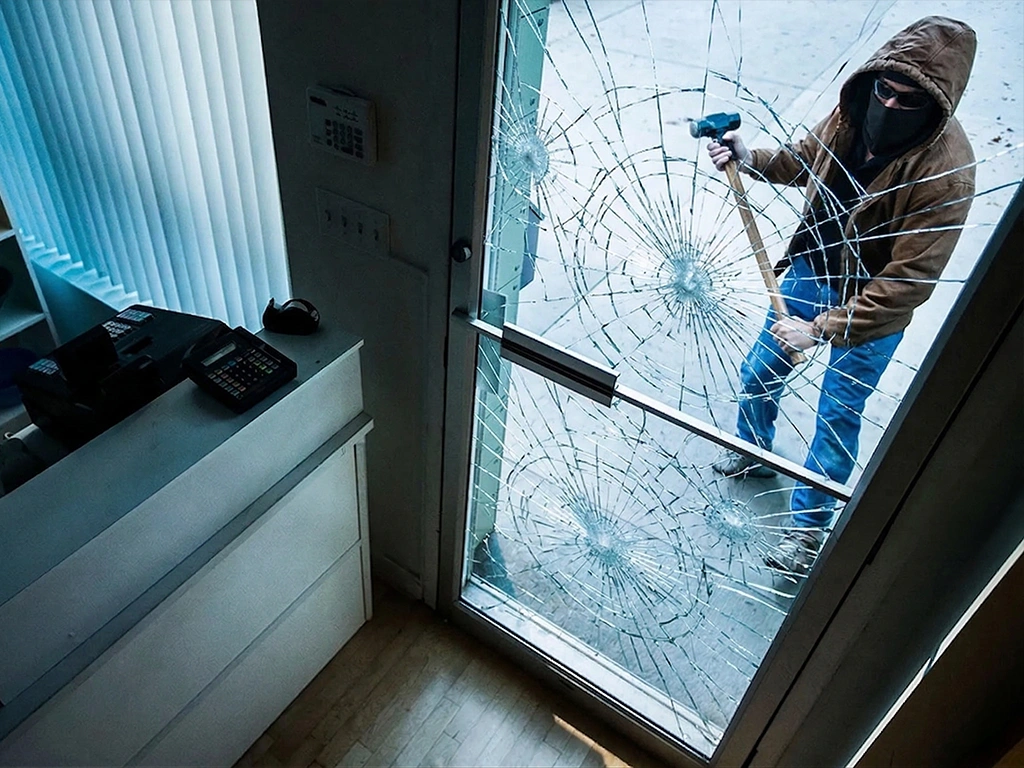
  • Security → Thick, Shatterproof Safety Films
  • Aesthetics → Decorative or Gradient Films
  • Glare Control → Anti-Glare or Neutral-Tint Films

Yes! Glare-reducing window films minimize screen reflections, making them ideal for home offices and entertainment rooms.

Yes! Heat-reducing skylight films prevent overheating while maintaining natural light.

Architectural window films are thin, multi-layered coatings applied to glass to enhance energy efficiency, privacy, security, and aesthetics. They reduce heat, UV exposure, glare, and glass breakage risks in homes, offices, and commercial buildings.

Yes, spectrally selective films let in visible light while blocking infrared heat, keeping interiors bright yet cool.

Low-E (low-emissivity) films reflect solar heat in summer and retain indoor heat in winter, reducing HVAC energy consumption by up to 30%.

Not necessarily! Spectrally selective films allow maximum daylight while blocking heat, keeping your space bright without excessive darkness.

Yes, anti-fog window films prevent condensation buildup, ideal for bathrooms, spas, and high-humidity environments.

Yes! Fire-retardant films slow down flame spread, offering an added layer of fire protection.

Yes, but special adhesive films are required for non-smooth surfaces. Some decorative window films also mimic frosted textures.

Blog

Blog

Stay Updated

Let’s Explore What We Can Achieve Together!

By submitting the form you agree to The Lacuna LLC Terms & Conditions and Privacy Policy.