
Silver X

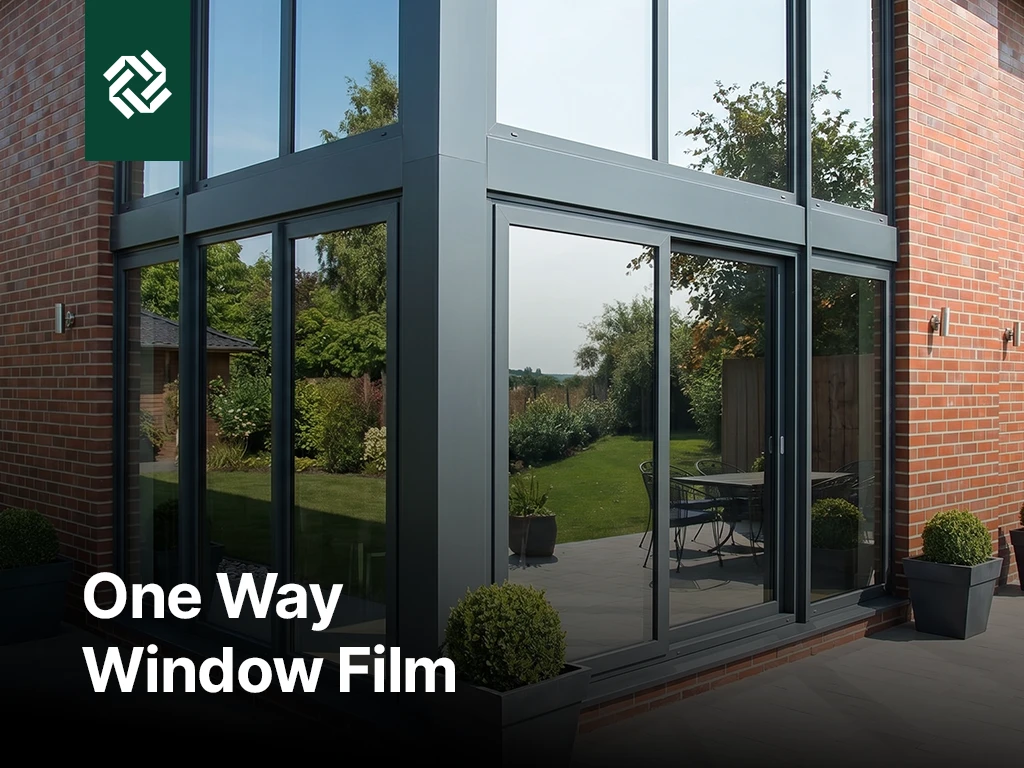
LACUNA Silver X Architectural Window Film is engineered for external applications, providing advanced solar control and safety for specialized window systems. Its high-reflectivity silver finish reduces solar heat gain and glare, improving indoor comfort and enhancing energy efficiency while protecting interior furnishings from UV-induced fading and deterioration.

Designed to maintain natural light entry, its reflective surface enhances daytime privacy without compromising visibility. The external application ensures compatibility with advanced window technologies, seamlessly integrating with modern architectural aesthetics while preserving window functionality and performance.

Measurements

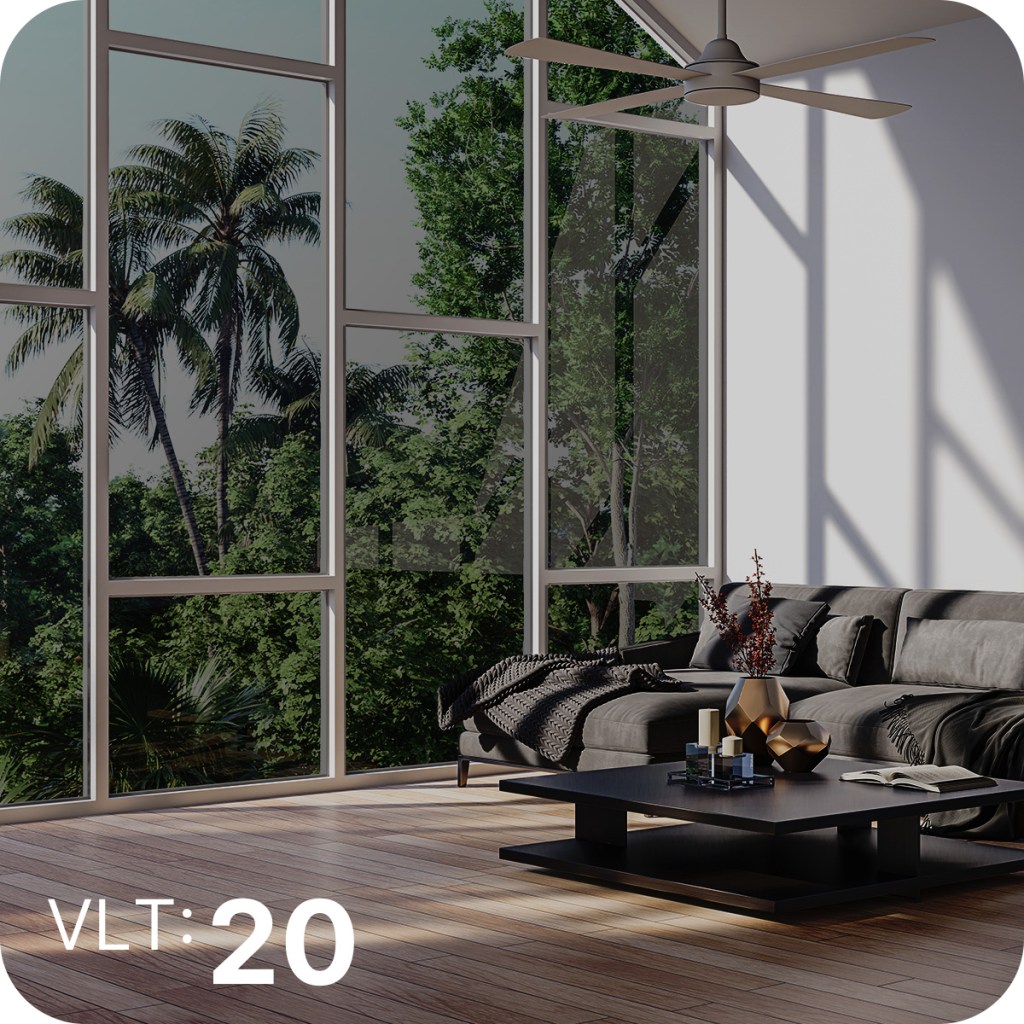
  • Visible Light Transmitted (VLT): 21%
  • Visible Light Reflected External: 34%
  • Visible Light Reflected Internal: 26%
  • Glare Reduction: 77%
  • Total Solar Energy Transmitted: 13%
  • Total Solar Energy Reflected External: 51%
  • Total Solar Energy Absorbed: 35%
  • Shading Coefficient (SC): 0,28
  • Solar Heat Gain Coefficient (SHGC): 0,24
  • U Factor: 1,02
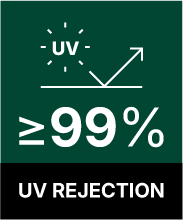
  • UV Rejection: ≥99
  • Emissivity: 0,76
  • Light To Solar Gain: 0,86
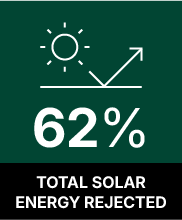
  • Total Solar Energy Rejected (TSER): 76%
  • IR Rejection: 94%
  • Infrared Energy Rejection (IRER): 84%
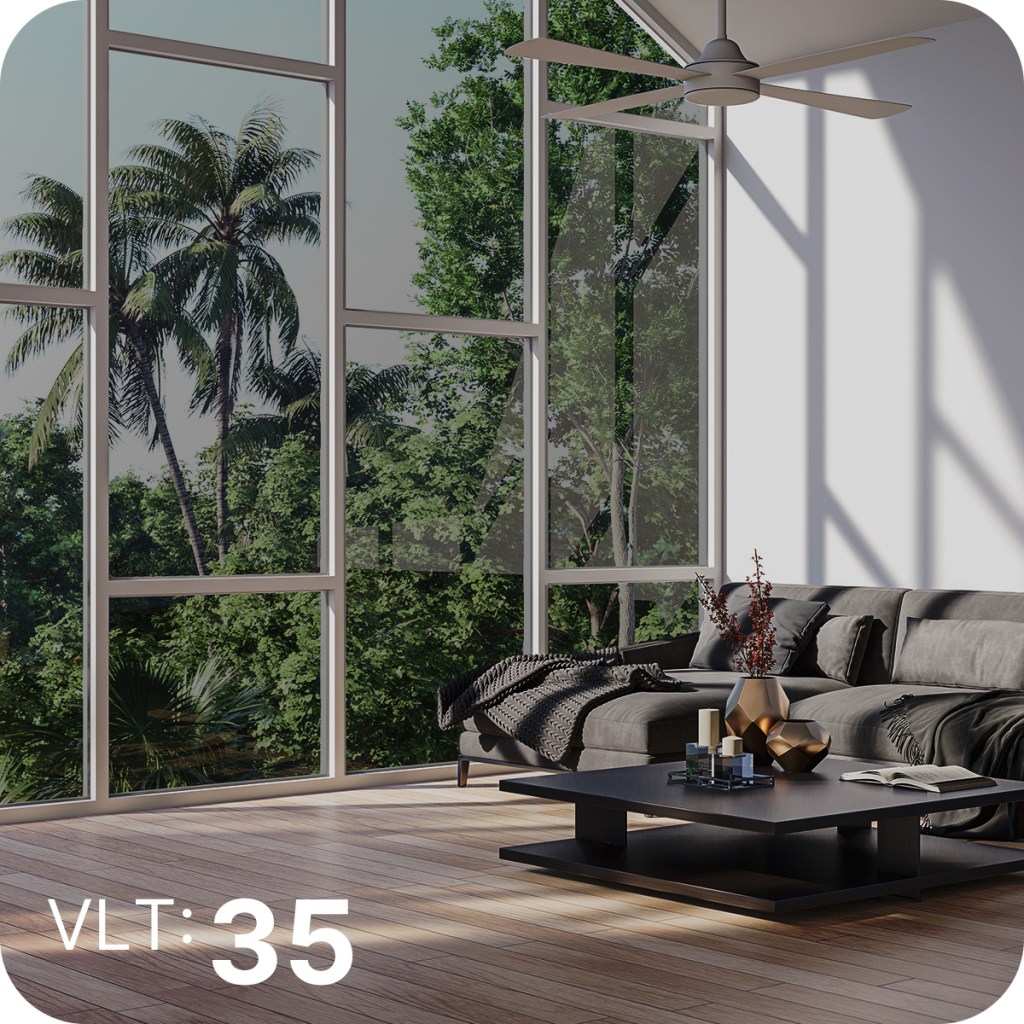
  • Visible Light Transmitted (VLT): 26%
  • Visible Light Reflected External: 55%
  • Visible Light Reflected Internal: 55%
  • Glare Reduction: 65%
  • Total Solar Energy Transmitted: 22%
  • Total Solar Energy Reflected External: 56%
  • Total Solar Energy Absorbed: 22%
  • Shading Coefficient (SC): 0,31
  • Solar Heat Gain Coefficient (SHGC): 0,33
  • U Factor: 1,03
  • UV Rejection: ≥99
  • Emissivity: 0,80
  • Light To Solar Gain: 0,94
  • Total Solar Energy Rejected (TSER): 72%
  • IR Rejection: 89%
  • Infrared Energy Rejection (IRER): 78%
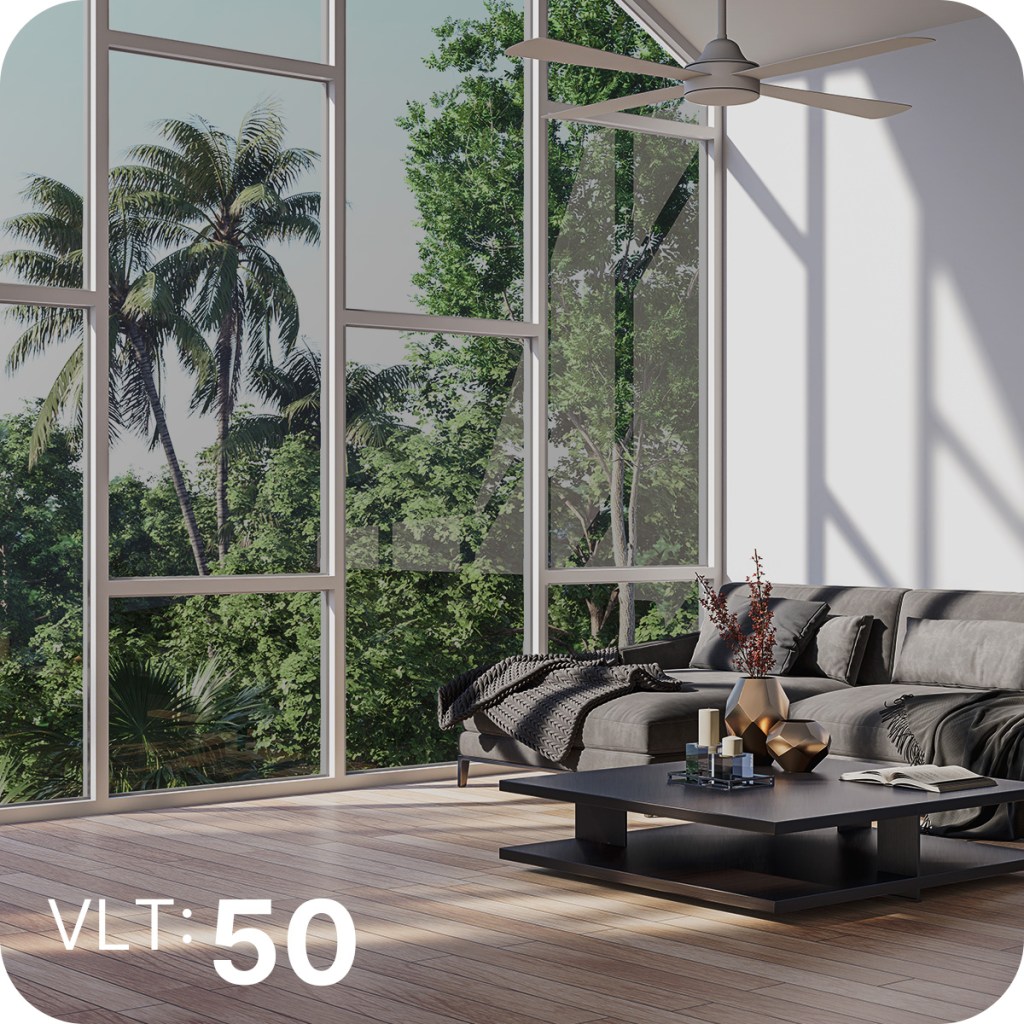
  • Visible Light Transmitted (VLT): 49%
  • Visible Light Reflected External: 27%
  • Visible Light Reflected Internal: 27%
  • Glare Reduction: 50%
  • Total Solar Energy Transmitted: 43%
  • Total Solar Energy Reflected External: 29%
  • Total Solar Energy Absorbed: 28%
  • Shading Coefficient (SC): 0,56
  • Solar Heat Gain Coefficient (SHGC): 0,44
  • U Factor: 1,05
  • UV Rejection: ≥99
  • Emissivity: 0,84
  • Light To Solar Gain: 1,03
  • Total Solar Energy Rejected (TSER): 50%
  • IR Rejection: 82%
  • Infrared Energy Rejection (IRER): 70%

Benefits

  1. Metal Particle Infusion
  2. Effective Heat Rejection
  3. Aesthetic Enhancement
  4. UV Protection
  5. Fade Resistance
  6. Signal-Friendly
  7. Enhanced Privacy
  8. Energy Cost Reduction
  9. Multi-Layered Nano Technology
  10. High Reflectivity
  11. Exterior Installation

Silver X

LACUNA Silver X Architectural Window Film is engineered for external applications, providing advanced solar control and safety for specialized window systems. Its high-reflectivity silver finish reduces solar heat gain and glare, improving indoor comfort and enhancing energy efficiency while protecting interior furnishings from UV-induced fading and deterioration.

Designed to maintain natural light entry, its reflective surface enhances daytime privacy without compromising visibility. The external application ensures compatibility with advanced window technologies, seamlessly integrating with modern architectural aesthetics while preserving window functionality and performance.

Measurements

  • Visible Light Transmitted (VLT): 21%
  • Visible Light Reflected External: 34%
  • Visible Light Reflected Internal: 26%
  • Glare Reduction: 77%
  • Total Solar Energy Transmitted: 13%
  • Total Solar Energy Reflected External: 51%
  • Total Solar Energy Absorbed: 35%
  • Shading Coefficient (SC): 0,28
  • Solar Heat Gain Coefficient (SHGC): 0,24
  • U Factor: 1,02
  • UV Rejection: ≥99
  • Emissivity: 0,76
  • Light To Solar Gain: 0,86
  • Total Solar Energy Rejected (TSER): 76%
  • IR Rejection: 94%
  • Infrared Energy Rejection (IRER): 84%
  • Visible Light Transmitted (VLT): 26%
  • Visible Light Reflected External: 55%
  • Visible Light Reflected Internal: 55%
  • Glare Reduction: 65%
  • Total Solar Energy Transmitted: 22%
  • Total Solar Energy Reflected External: 56%
  • Total Solar Energy Absorbed: 22%
  • Shading Coefficient (SC): 0,31
  • Solar Heat Gain Coefficient (SHGC): 0,33
  • U Factor: 1,03
  • UV Rejection: ≥99
  • Emissivity: 0,80
  • Light To Solar Gain: 0,94
  • Total Solar Energy Rejected (TSER): 72%
  • IR Rejection: 89%
  • Infrared Energy Rejection (IRER): 78%
  • Visible Light Transmitted (VLT): 49%
  • Visible Light Reflected External: 27%
  • Visible Light Reflected Internal: 27%
  • Glare Reduction: 50%
  • Total Solar Energy Transmitted: 43%
  • Total Solar Energy Reflected External: 29%
  • Total Solar Energy Absorbed: 28%
  • Shading Coefficient (SC): 0,56
  • Solar Heat Gain Coefficient (SHGC): 0,44
  • U Factor: 1,05
  • UV Rejection: ≥99
  • Emissivity: 0,84
  • Light To Solar Gain: 1,03
  • Total Solar Energy Rejected (TSER): 50%
  • IR Rejection: 82%
  • Infrared Energy Rejection (IRER): 70%

Benefits

  1. Metal Particle Infusion
  2. Effective Heat Rejection
  3. Aesthetic Enhancement
  4. UV Protection
  5. Fade Resistance
  6. Signal-Friendly
  7. Enhanced Privacy
  8. Energy Cost Reduction
  9. Multi-Layered Nano Technology
  10. High Reflectivity
  11. Exterior Installation

Frequently Asked Questions

Yes, anti-glare films diffuse harsh sunlight, improving visibility in office spaces and home theaters.

Yes! Some high-end window films filter blue light (380-500nm), reducing eye strain, headaches, and sleep disruption.

Yes! Many window films are removable without damaging the glass, making them ideal for renters looking for privacy and heat control.

Yes! Acoustic window films reduce traffic noise, construction sounds, and echoes inside large spaces.

Yes, sustainable window films are made from recyclable, non-toxic materials and contribute to LEED certification for green buildings.

Yes! Heat-reducing skylight films prevent overheating while maintaining natural light.

Yes! Photochromic and electrochromic films change tint automatically depending on sunlight intensity, providing dynamic shading.

Over time, some films lose UV protection and adhesion, but high-quality films maintain performance for decades.

Professional installations are quick and mess-free, but there may be some moisture left between the film and glassduring the curing period.

Yes, energy-efficient and security-enhancing films can increase resale value by reducing maintenance costs and improving building sustainability.

Yes! Privacy and decorative films offer one-way visibility while maintaining natural light, eliminating the need for heavy drapes or blinds.

Yes, solar-energy-harvesting window films generate electricity, improving building sustainability.

Compare the following factors:

  • Visible Light Transmission (VLT) → Determines brightness
  • Total Solar Energy Rejected (TSER) → Measures heat blocking
  • UV Rejection (%) → Higher is better for furniture & skin protection
  • Glare Reduction (%) → Improves screen visibility
  • Film Thickness (Mil) → Thicker films offer more security

Yes! Ceramic-based window films block infrared waves, keeping interiors cooler without needing darker tints.

Yes, anti-fog window films prevent condensation buildup, ideal for bathrooms, spas, and high-humidity environments.

Blog

  • How Long Does PPF Last

How Long Does PPF Last?

06/10/2026|

Investing in Paint Protection Film (PPF), often called a "clear bra," is one of the best decisions you can make[...]

Blog

How Long Does PPF Last?

06/10/2026|

Investing in Paint Protection Film (PPF), often called a "clear bra," is one of the best decisions you can make[...]

Stay Updated

Let’s Explore What We Can Achieve Together!

By submitting the form you agree to The Lacuna LLC Terms & Conditions and Privacy Policy.