
UV Gard Museum
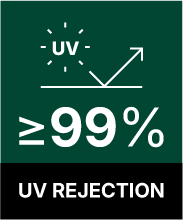


LACUNA UV Gard Museum window film is specifically designed to offer unparalleled UV protection, protecting valuable furnishings and artifacts from the damaging effects of the sun’s rays. This specialized film is ideal for preserving the integrity of items susceptible to UV damage, making it an essential choice for museums, galleries, and residences with precious collections.
By blocking virtually all harmful UV rays, LACUNA® UV Gard Museum helps prevent the fading and degradation of fabrics, paintings, and other valuable items. Its clear, non-tinted appearance ensures that the natural beauty of displayed items and interior spaces is not compromised, maintaining visibility and the true colors of the protected objects.
Measurements
- Visible Light Transmitted (VLT): 80%
- Visible Light Reflected External: 8%
- Visible Light Reflected Internal: 8%
- Glare Reduction: 10%
- Total Solar Energy Transmitted: 74%
- Total Solar Energy Reflected External: 8%
- Total Solar Energy Absorbed: 18%
- Shading Coefficient (SC): 0,92
- Solar Heat Gain Coefficient (SHGC): 0,80
- U Factor: 1,03
- UV Rejection: ≥99
- Emissivity: 0,87
- Light To Solar Gain: 1,00
- Total Solar Energy Rejected (TSER): 20%
- IR Rejection: 26%
- Infrared Energy Rejection (IRER): 20%
Benefits
- Specially Designed Window Film
- Aesthetic Enhancement
- Maximum UV Protection
- Maximum Fade Resistance
- Signal-Friendly
- Great Privacy
- Energy Cost Reduction
- Multi-Layered Nano Technology

UV Gard Museum
LACUNA UV Gard Museum window film is specifically designed to offer unparalleled UV protection, protecting valuable furnishings and artifacts from the damaging effects of the sun’s rays. This specialized film is ideal for preserving the integrity of items susceptible to UV damage, making it an essential choice for museums, galleries, and residences with precious collections.
By blocking virtually all harmful UV rays, LACUNA® UV Gard Museum helps prevent the fading and degradation of fabrics, paintings, and other valuable items. Its clear, non-tinted appearance ensures that the natural beauty of displayed items and interior spaces is not compromised, maintaining visibility and the true colors of the protected objects.
Measurements
- Visible Light Transmitted (VLT): 80%
- Visible Light Reflected External: 8%
- Visible Light Reflected Internal: 8%
- Glare Reduction: 10%
- Total Solar Energy Transmitted: 74%
- Total Solar Energy Reflected External: 8%
- Total Solar Energy Absorbed: 18%
- Shading Coefficient (SC): 0,92
- Solar Heat Gain Coefficient (SHGC): 0,80
- U Factor: 1,03
- UV Rejection: ≥99
- Emissivity: 0,87
- Light To Solar Gain: 1,00
- Total Solar Energy Rejected (TSER): 20%
- IR Rejection: 26%
- Infrared Energy Rejection (IRER): 20%
Benefits
- Specially Designed Window Film
- Aesthetic Enhancement
- Maximum UV Protection
- Maximum Fade Resistance
- Signal-Friendly
- Great Privacy
- Energy Cost Reduction
- Multi-Layered Nano Technology
Frequently Asked Questions
Blog

Architectural window films allow you to completely rethink how your living or working environment performs without spending thousands on structural[...]

When summer temperatures spike or relentless sunshine beats down through architectural glass, homes and commercial buildings quickly turn into uncomfortable[...]

Sunlight is essential it powers our mood, our vitamin D, our kids' outdoor play. But here's the assumption most of[...]

The Smart Solution Homeowners Are Talking About If you've ever sat in your living room and felt like you were[...]
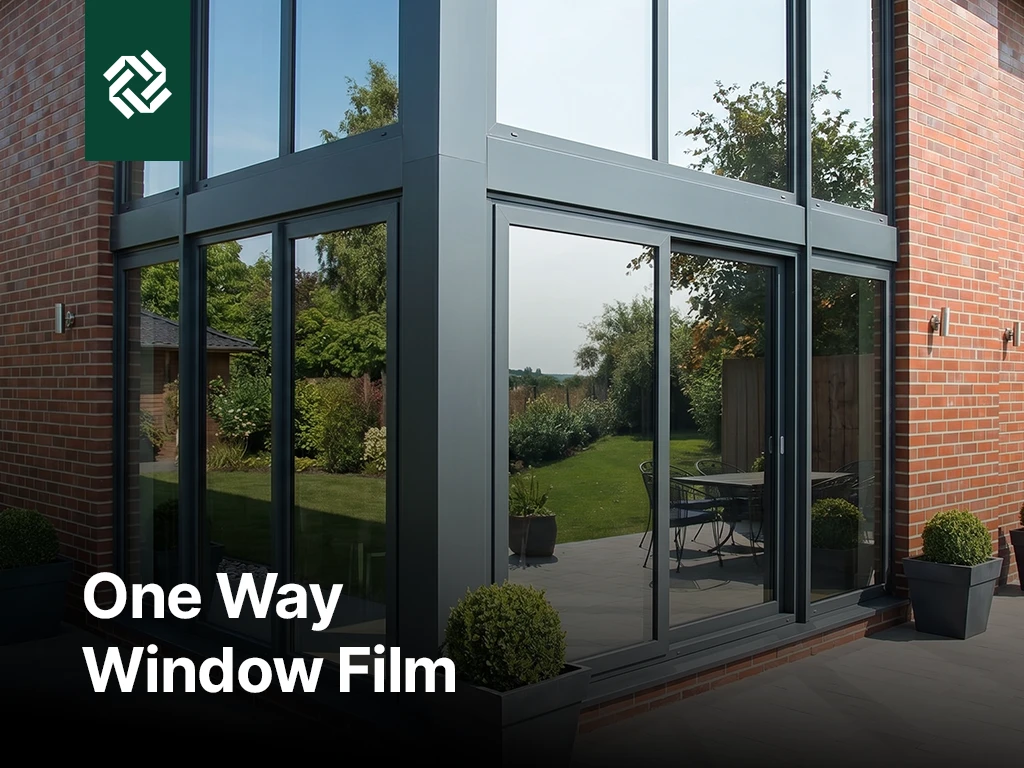
Achieving the perfect balance between enjoying natural sunlight and maintaining indoor privacy is a common architectural challenge. Whether you are[...]
When the summer sun hits, homeowners and building managers across the USA face the same dilemma: beautiful natural light versus[...]
Blog
-
Architectural window films allow you to completely rethink how your living or working environment performs without spending thousands on structural[...]
-
When summer temperatures spike or relentless sunshine beats down through architectural glass, homes and commercial buildings quickly turn into uncomfortable[...]
-
Sunlight is essential it powers our mood, our vitamin D, our kids' outdoor play. But here's the assumption most of[...]
-
The Smart Solution Homeowners Are Talking About If you've ever sat in your living room and felt like you were[...]
-
Achieving the perfect balance between enjoying natural sunlight and maintaining indoor privacy is a common architectural challenge. Whether you are[...]
-
When the summer sun hits, homeowners and building managers across the USA face the same dilemma: beautiful natural light versus[...]
Stay Updated
Let’s Explore What We Can Achieve Together!
By submitting the form you agree to The Lacuna LLC Terms & Conditions and Privacy Policy.