
PPF Maximum
LACUNA PPF Maximum is a 200-micron thick Paint Protection Film designed for high-impact resistance. It absorbs damage from road debris, minor collisions, and environmental exposure, minimizing paint deterioration. Built for demanding conditions, it ensures durable and reliable protection while preserving the vehicle’s original finish.


Measurements
Size
60″ x 50 feet
Total Thickness
200 Microns
Warranty
10 Years
Glossy Level (GU)
95 GU
Hydrophobic Level
Highest
Tensile Strength
35,4 MpA
Elongation at Break
400%
Adhesive Force in 20 min – 24 Hours
1825-2495


Benefits
- Advanced TPU Material
- Self-Healing Technology
- UV and Stain Resistance
- Very High Glossy Level
- Aesthetic and Value Preservation
- Scratch and Impact Resistance
- Hydrophobic Performance
PPF Maximum
LACUNA PPF Maximum is a 200-micron thick Paint Protection Film designed for high-impact resistance. It absorbs damage from road debris, minor collisions, and environmental exposure, minimizing paint deterioration. Built for demanding conditions, it ensures durable and reliable protection while preserving the vehicle’s original finish.
Measurements
Size
60″ x 50 feet
Total Thickness
200 Microns
Warranty
10 Years
Glossy Level (GU)
95 GU
Hydrophobic Level
Highest
Tensile Strength
35,4 MpA
Elongation at Break
400%
Adhesive Force in 20 min – 24 Hours
1825-2495
Benefits
- Advanced TPU Material
- Self-Healing Technology
- UV and Stain Resistance
- Very High Glossy Level
- Aesthetic and Value Preservation
- Scratch and Impact Resistance
- Hydrophobic Performance
Frequently Asked Questions
Blog

You have just picked up a new car. The paint is fresh, clean and almost untouched by everyday driving. Naturally,[...]

Investing in a new vehicle comes with the immediate desire to keep its factory paint looking flawless. Whether you are[...]

If you are wondering, "Can pain t protection film (PPF) be repaired?" the quick answer is: Yes, but it depends[...]

That first week with a new car is hard to beat. The paint looks deeper, the clear coat catches light[...]

Installing Paint Protection Film (PPF) is arguably one of the most significant investments you can make to preserve your vehicle’s[...]
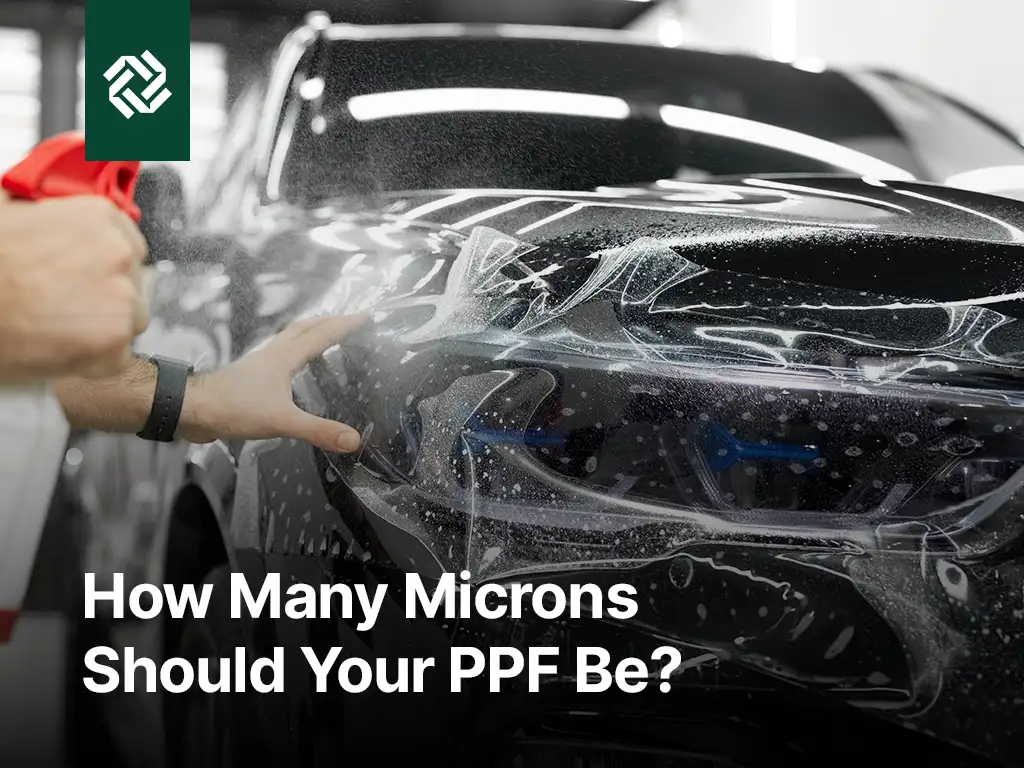
If you want to preserve your vehicle’s factory finish and protect your investment for years to come, Paint Protection Film[...]
Blog
-
You have just picked up a new car. The paint is fresh, clean and almost untouched by everyday driving. Naturally,[...]
-
Investing in a new vehicle comes with the immediate desire to keep its factory paint looking flawless. Whether you are[...]
-
If you are wondering, "Can pain t protection film (PPF) be repaired?" the quick answer is: Yes, but it depends[...]
-
That first week with a new car is hard to beat. The paint looks deeper, the clear coat catches light[...]
-
Installing Paint Protection Film (PPF) is arguably one of the most significant investments you can make to preserve your vehicle’s[...]
-
If you want to preserve your vehicle’s factory finish and protect your investment for years to come, Paint Protection Film[...]
Stay Updated
Let’s Explore What We Can Achieve Together!
By submitting the form you agree to The Lacuna LLC Terms & Conditions and Privacy Policy.