
PPF Satin
LACUNA PPF Satin is an advanced Paint Protection Film designed to protect your vehicle while providing satin finish look. Its unique composition provides a subtle shimmer, adding depth to the paintwork. Engineered for durability, it resists yellowing and maintains its distinct texture and sheen over time.

Measurements
Size:
60″ x 50 feet
Total Thickness:
200 Microns
Warranty:
5 Years
Glossy Level (GU):
27 GU
Hydrophobic Level:
Normal
Tensile Strength:
32,4 MpA
Elongation at Break:
380,00%
Adhesive Force in 20 min. – 24 Hours:
1860 – 2375


Benefits
- Exquisite Satin Finish
- Advanced TPU Material
- Self-Healing Technology
- UV and Stain Resistance
- Aesthetic and Value Preservation
- Scratch and Impact Resistance
- Hydrophobic Performance
PPF Satin
LACUNA PPF Satin is an advanced Paint Protection Film designed to protect your vehicle while providing satin finish look. Its unique composition provides a subtle shimmer, adding depth to the paintwork. Engineered for durability, it resists yellowing and maintains its distinct texture and sheen over time.
Measurements
Size
60″ x 50 feet
Total Thickness
200 Microns
Warranty
5 Years
Glossy Level (GU)
27 GU
Hydrophobic Level
Normal
Tensile Strength
32,4 MpA
Elongation at Break
380,00%
Adhesive Force in 20 min. – 24 Hours
1860 – 2375
Benefits
- Exquisite Satin Finish
- Advanced TPU Material
- Self-Healing Technology
- UV and Stain Resistance
- Aesthetic and Value Preservation
- Scratch and Impact Resistance
- Hydrophobic Performance
Frequently Asked Questions
Blog
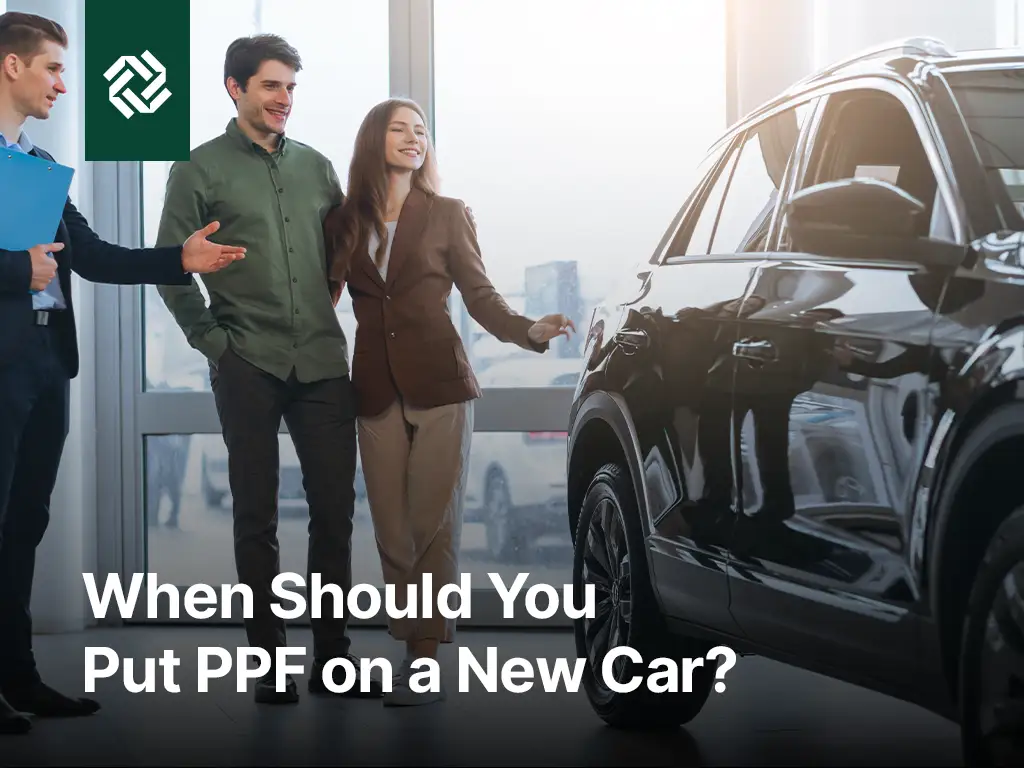
You have just picked up a new car. The paint is fresh, clean and almost untouched by everyday driving. Naturally,[...]

Investing in a new vehicle comes with the immediate desire to keep its factory paint looking flawless. Whether you are[...]

If you are wondering, "Can pain t protection film (PPF) be repaired?" the quick answer is: Yes, but it depends[...]

That first week with a new car is hard to beat. The paint looks deeper, the clear coat catches light[...]

Installing Paint Protection Film (PPF) is arguably one of the most significant investments you can make to preserve your vehicle’s[...]
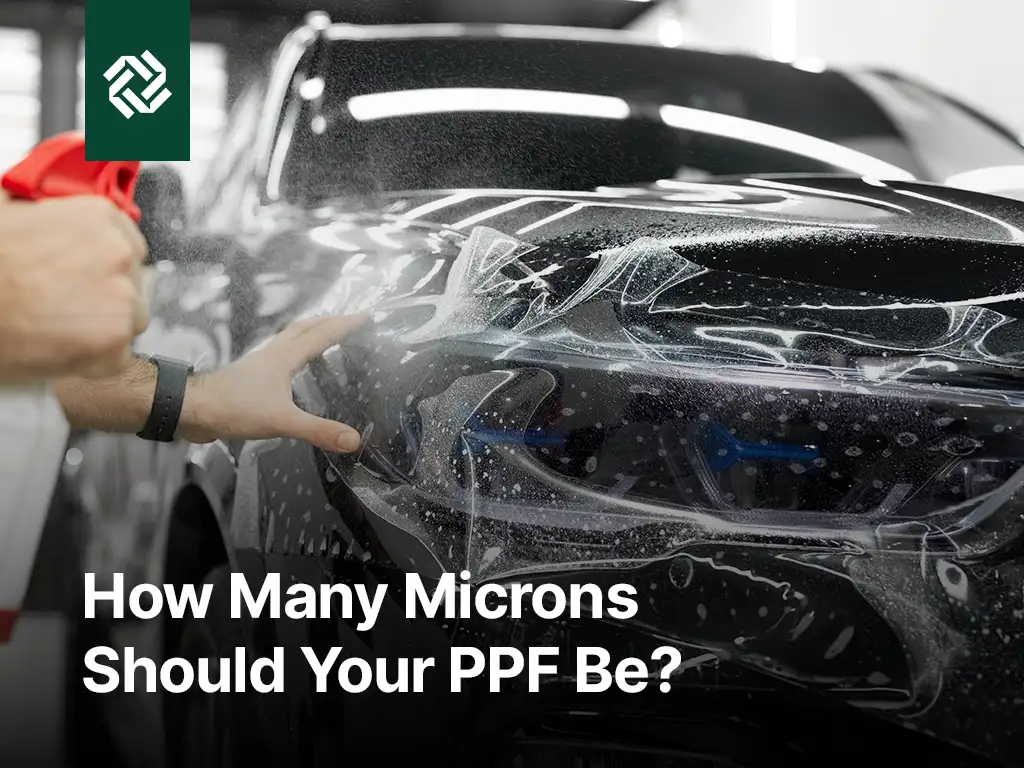
If you want to preserve your vehicle’s factory finish and protect your investment for years to come, Paint Protection Film[...]
Blog
-
You have just picked up a new car. The paint is fresh, clean and almost untouched by everyday driving. Naturally,[...]
-
Investing in a new vehicle comes with the immediate desire to keep its factory paint looking flawless. Whether you are[...]
-
If you are wondering, "Can pain t protection film (PPF) be repaired?" the quick answer is: Yes, but it depends[...]
-
That first week with a new car is hard to beat. The paint looks deeper, the clear coat catches light[...]
-
Installing Paint Protection Film (PPF) is arguably one of the most significant investments you can make to preserve your vehicle’s[...]
-
If you want to preserve your vehicle’s factory finish and protect your investment for years to come, Paint Protection Film[...]
Stay Updated
Let’s Explore What We Can Achieve Together!
By submitting the form you agree to The Lacuna LLC Terms & Conditions and Privacy Policy.