
Clear Safety2025-11-05T11:36:22-05:00

Clear Safety

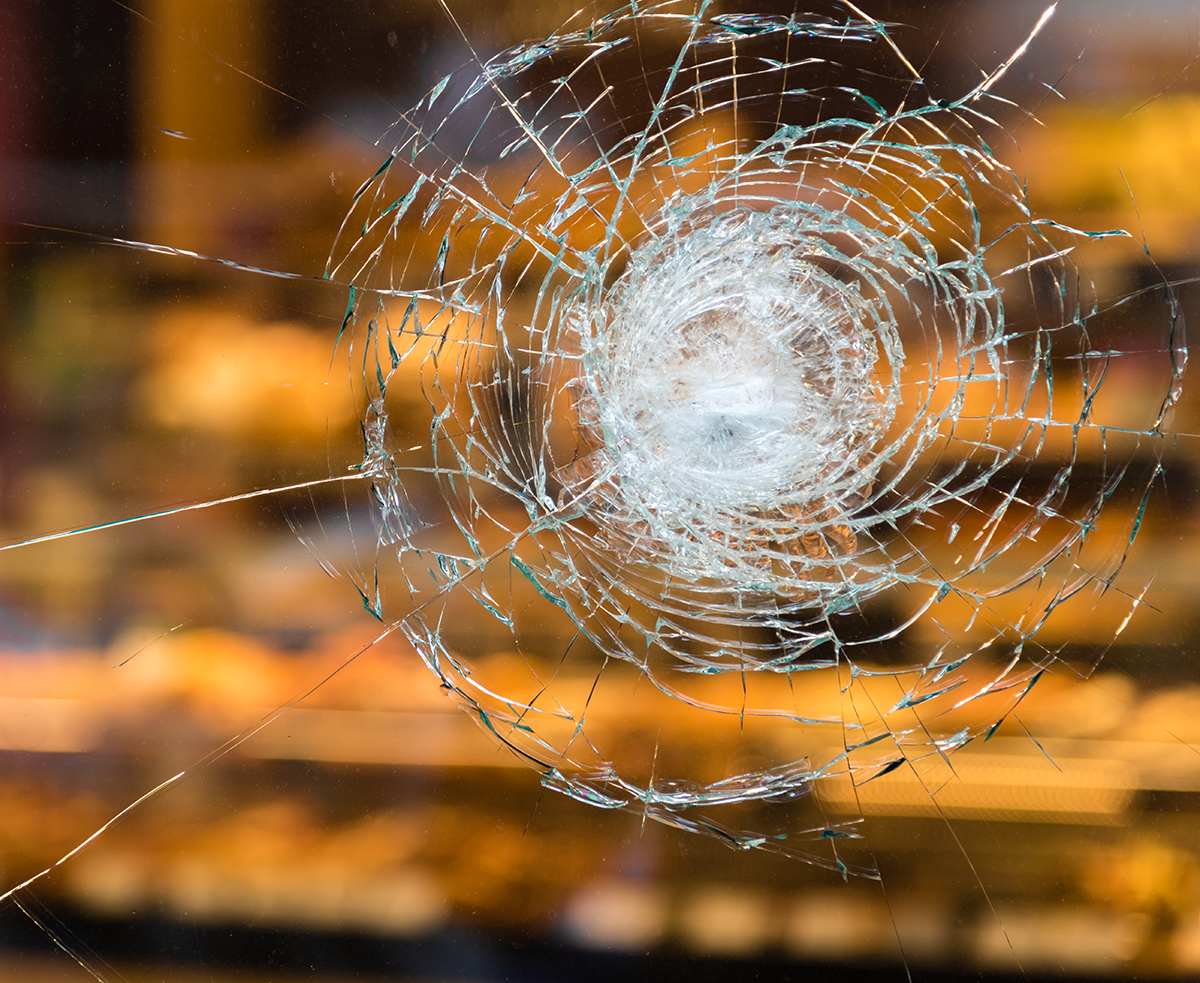
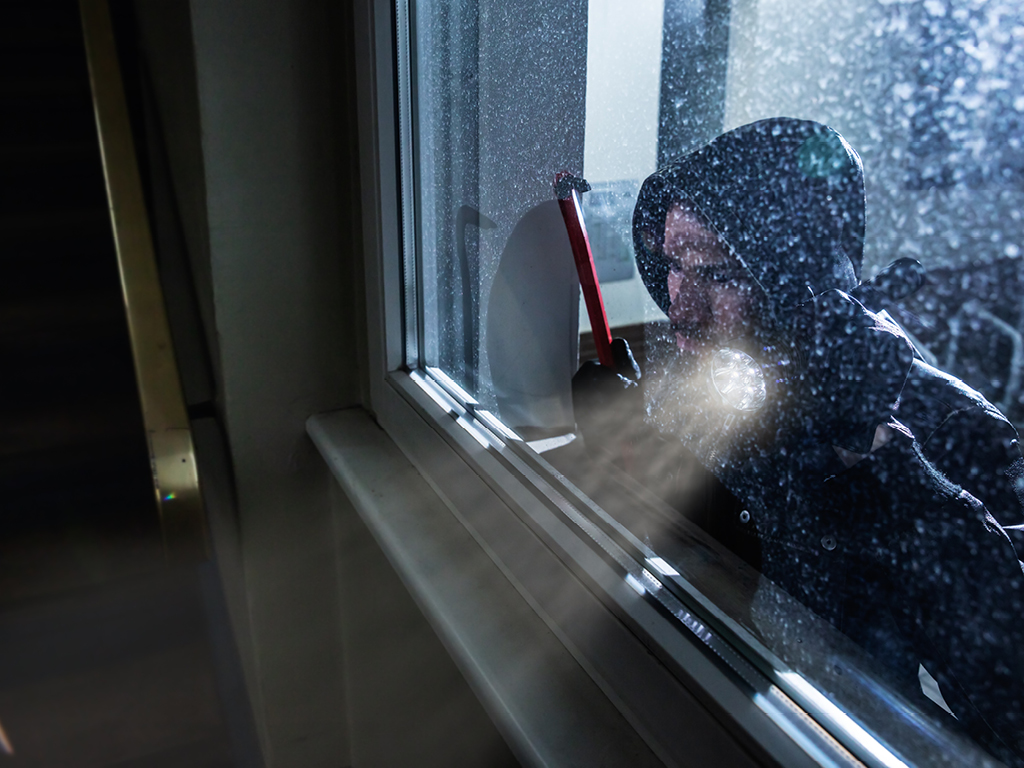
LACUNA Clear Safety Window Film provides high-performance protection with an optically clear design, reinforcing glass to minimize shattering from impact, break-ins, and environmental threats. Suitable for both residential and commercial applications, it enhances safety without altering the appearance of windows.

Its crystal-clear transparency ensures unobstructed natural light, maintaining the aesthetic integrity of the space while acting as an invisible shield against the dangers of broken glass.

Measurements

  • Microns: 100
  • Visible Light Transmitted (VLT): 87%
  • Visible Light Reflected External: 9%
  • Visible Light Reflected Internal: 9%
  • Glare Reduction: 2%
  • Total Solar Energy Transmitted: 85%
  • Total Solar Energy Reflected External: 10%
  • Total Solar Energy Absorbed: 5%
  • Shading Coefficient (SC): 0,92
  • Solar Heat Gain Coefficient (SHGC): 0,80
  • U Factor: 1,03
  • UV Rejection: ≥99
  • Emissivity: 0,86
  • Light To Solar Gain: 1,08
  • Total Solar Energy Rejected (TSER): 20%
  • IR Rejection: 31%
  • Infrared Energy Rejection (IRER): 23%
  • Microns: 180
  • Visible Light Transmitted (VLT): 88%
  • Visible Light Reflected External: 9%
  • Visible Light Reflected Internal: 9%
  • Glare Reduction: 1%
  • Total Solar Energy Transmitted: 85%
  • Total Solar Energy Reflected External: 10%
  • Total Solar Energy Absorbed: 5%
  • Shading Coefficient (SC): 0,93
  • Solar Heat Gain Coefficient (SHGC): 0,81
  • U Factor: 1,05
  • UV Rejection: ≥99
  • Emissivity: 0,91
  • Light To Solar Gain: 1,09
  • Total Solar Energy Rejected (TSER): 20%
  • IR Rejection: 32%
  • Infrared Energy Rejection (IRER): 23%
  • Microns: 280
  • Visible Light Transmitted (VLT): 88%
  • Visible Light Reflected External: 9%
  • Visible Light Reflected Internal: 9%
  • Glare Reduction: 2%
  • Total Solar Energy Transmitted: 83%
  • Total Solar Energy Reflected External: 10%
  • Total Solar Energy Absorbed: 7%
  • Shading Coefficient (SC): 0,93
  • Solar Heat Gain Coefficient (SHGC): 0,80
  • U Factor: 1,04
  • UV Rejection: ≥99
  • Emissivity: 0,88
  • Light To Solar Gain: 1,09
  • Total Solar Energy Rejected (TSER): 20%
  • IR Rejection: 32%
  • Infrared Energy Rejection (IRER): 23%
  • Microns: 380
  • Visible Light Transmitted (VLT): 87%
  • Visible Light Reflected External: 9%
  • Visible Light Reflected Internal: 9%
  • Glare Reduction: 3%
  • Total Solar Energy Transmitted: 82%
  • Total Solar Energy Reflected External: 10%
  • Total Solar Energy Absorbed: 8%
  • Shading Coefficient (SC): 0,92
  • Solar Heat Gain Coefficient (SHGC): 0,80
  • U Factor: 1,03
  • UV Rejection: ≥99
  • Emissivity: 0,87
  • Light To Solar Gain: 1,08
  • Total Solar Energy Rejected (TSER): 20%
  • IR Rejection: 33%
  • Infrared Energy Rejection (IRER): 23%
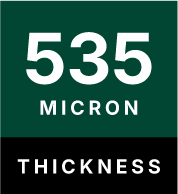
  • Microns: 535
  • Visible Light Transmitted (VLT): 87%
  • Visible Light Reflected External: 9%
  • Visible Light Reflected Internal: 9%
  • Glare Reduction: 3%
  • Total Solar Energy Transmitted: 81%
  • Total Solar Energy Reflected External: 10%
  • Total Solar Energy Absorbed: 10%
  • Shading Coefficient (SC): 0,96
  • Solar Heat Gain Coefficient (SHGC): 0,81
  • U Factor: 1,03
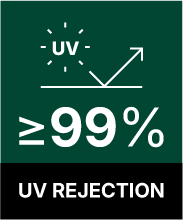
  • UV Rejection: ≥99
  • Emissivity: 0,92
  • Light To Solar Gain: 1,09
  • Total Solar Energy Rejected (TSER): 20%
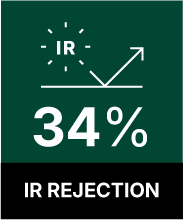
  • IR Rejection: 34%
  • Infrared Energy Rejection (IRER): 23%

Benefits

  1. Optically Clear Visibility
  2. Advanced Safety Capabilities
  3. Aesthetic Enhancement
  4. Energy Cost Reduction
  5. Multi-Layered Nano Technology
  6. Maximum Protection
  7. UV Rejection

Clear Safety

LACUNA Clear Safety Window Film provides high-performance protection with an optically clear design, reinforcing glass to minimize shattering from impact, break-ins, and environmental threats. Suitable for both residential and commercial applications, it enhances safety without altering the appearance of windows.

Its crystal-clear transparency ensures unobstructed natural light, maintaining the aesthetic integrity of the space while acting as an invisible shield against the dangers of broken glass.

Measurements

  • Microns: 100
  • Visible Light Transmitted (VLT): 87%
  • Visible Light Reflected External: 9%
  • Visible Light Reflected Internal: 9%
  • Glare Reduction: 2%
  • Total Solar Energy Transmitted: 85%
  • Total Solar Energy Reflected External: 10%
  • Total Solar Energy Absorbed: 5%
  • Shading Coefficient (SC): 0,92
  • Solar Heat Gain Coefficient (SHGC): 0,80
  • U Factor: 1,03
  • UV Rejection: ≥99
  • Emissivity: 0,86
  • Light To Solar Gain: 1,08
  • Total Solar Energy Rejected (TSER): 20%
  • IR Rejection: 31%
  • Infrared Energy Rejection (IRER): 23%
  • Microns: 180
  • Visible Light Transmitted (VLT): 88%
  • Visible Light Reflected External: 9%
  • Visible Light Reflected Internal: 9%
  • Glare Reduction: 1%
  • Total Solar Energy Transmitted: 85%
  • Total Solar Energy Reflected External: 10%
  • Total Solar Energy Absorbed: 5%
  • Shading Coefficient (SC): 0,93
  • Solar Heat Gain Coefficient (SHGC): 0,81
  • U Factor: 1,05
  • UV Rejection: ≥99
  • Emissivity: 0,91
  • Light To Solar Gain: 1,09
  • Total Solar Energy Rejected (TSER): 20%
  • IR Rejection: 32%
  • Infrared Energy Rejection (IRER): 23%
  • Microns: 280
  • Visible Light Transmitted (VLT): 88%
  • Visible Light Reflected External: 9%
  • Visible Light Reflected Internal: 9%
  • Glare Reduction: 2%
  • Total Solar Energy Transmitted: 83%
  • Total Solar Energy Reflected External: 10%
  • Total Solar Energy Absorbed: 7%
  • Shading Coefficient (SC): 0,93
  • Solar Heat Gain Coefficient (SHGC): 0,80
  • U Factor: 1,04
  • UV Rejection: ≥99
  • Emissivity: 0,88
  • Light To Solar Gain: 1,09
  • Total Solar Energy Rejected (TSER): 20%
  • IR Rejection: 32%
  • Infrared Energy Rejection (IRER): 23%
  • Microns: 380
  • Visible Light Transmitted (VLT): 87%
  • Visible Light Reflected External: 9%
  • Visible Light Reflected Internal: 9%
  • Glare Reduction: 3%
  • Total Solar Energy Transmitted: 82%
  • Total Solar Energy Reflected External: 10%
  • Total Solar Energy Absorbed: 8%
  • Shading Coefficient (SC): 0,92
  • Solar Heat Gain Coefficient (SHGC): 0,80
  • U Factor: 1,03
  • UV Rejection: ≥99
  • Emissivity: 0,87
  • Light To Solar Gain: 1,08
  • Total Solar Energy Rejected (TSER): 20%
  • IR Rejection: 33%
  • Infrared Energy Rejection (IRER): 23%
  • Microns: 535
  • Visible Light Transmitted (VLT): 87%
  • Visible Light Reflected External: 9%
  • Visible Light Reflected Internal: 9%
  • Glare Reduction: 3%
  • Total Solar Energy Transmitted: 81%
  • Total Solar Energy Reflected External: 10%
  • Total Solar Energy Absorbed: 10%
  • Shading Coefficient (SC): 0,96
  • Solar Heat Gain Coefficient (SHGC): 0,81
  • U Factor: 1,03
  • UV Rejection: ≥99
  • Emissivity: 0,92
  • Light To Solar Gain: 1,09
  • Total Solar Energy Rejected (TSER): 20%
  • IR Rejection: 34%
  • Infrared Energy Rejection (IRER): 23%

Benefits

  1. Optically Clear Visibility
  2. Advanced Safety Capabilities
  3. Aesthetic Enhancement
  4. Energy Cost Reduction
  5. Multi-Layered Nano Technology
  6. Maximum Protection
  7. UV Rejection

Frequently Asked Questions

How much time does security film add to a break-in attempt?2025-08-28T04:24:36-04:00

Security films can delay entry by 3-5 minutes, which can be enough time for security alerts or law enforcement response.

Do security window films work with Low-E or double-pane glass?2025-08-28T03:40:02-04:00

Yes, but they must be thermally safe films to prevent glass stress and breakage.

Can security films be repaired if scratched?2025-08-28T03:30:16-04:00

No, but some films have scratch-resistant coatings that prevent minor damage.

Do security window films work on all types of glass?2025-08-28T04:33:08-04:00

Yes, but the effectiveness depends on glass thickness, type (tempered, laminated, annealed), and whether an edge retention system is used for extra reinforcement.

How do I clean security window films?2025-08-28T03:32:13-04:00
  • Use ammonia-free cleaners
  • Avoid sharp objects or abrasive scrubbing
  • Use microfiber cloths for best results
How does tear resistance affect security film performance?2025-08-27T10:52:29-04:00
  • Low tear resistance means glass may separate despite staying intact.
  • High tear-resistant films ensure longer resistance to forced entry, up to 4-6 minutes under assault.
Can security films be used on glass doors and storefronts?2025-08-27T10:06:52-04:00

Yes, multi-layer security films help protect storefronts from looting, vandalism, and forced entry.

Will security window films make my windows look different?2025-08-28T03:43:30-04:00

Clear security films are nearly invisible, while tinted versions add privacy and solar control.

Are security films compatible with smart glass or electrochromic windows?2025-08-29T03:45:28-04:00

Yes, but only non-metallic security films should be used to avoid interfering with electronic tinting technology.

What is an edge retention system, and why is it important?2025-08-27T10:29:17-04:00

An edge retention system (ERS) reinforces film adhesion to the frame, preventing the entire glass pane from being dislodged during:

  • Explosions
  • Forced entry attempts
  • Hurricane-force winds
What are safety and security window films, and how do they work?2025-08-28T04:46:02-04:00

Safety and security window films are multi-layered, high-tensile polyester films applied to glass surfaces to reinforce windows against breakage, forced entry, and impacts. They hold shattered glass together, reducing injury risks, property damage, and intrusion attempts.

Does security film need special maintenance?2025-08-28T03:10:04-04:00

No, but replacing old or damaged films ensures continued protection.

What types of security films are rated for bomb-blast resistance?2025-08-27T10:45:01-04:00
  • 8-12 mil films: Reduces injuries from flying glass fragments.
  • 15+ mil films: Used for embassies, airports, and military buildings, offering greater fragment retention.
Can security films withstand hurricane-force winds and flying debris?2025-08-28T04:15:57-04:00

Yes! Hurricane-rated security films (8-15 mil thick) prevent windows from shattering under strong winds and airborne debris, reducing storm damage.

Do security films improve insulation in extreme temperatures?2025-08-27T10:04:45-04:00

Yes! Dual-purpose security + solar films:

  • Reduce heat loss in winter
  • Block infrared heat in summer

Blog

Blog

Stay Updated

Let’s Explore What We Can Achieve Together!

By submitting the form you agree to The Lacuna LLC Terms & Conditions and Privacy Policy.