
Natural Cool

LACUNA Natural Cool Window Film combines safety and solar control, reinforcing windows against shattering while reducing solar heat gain. Designed for enhanced strength and resilience, it improves indoor comfort and helps lower energy costs by minimizing heat buildup.

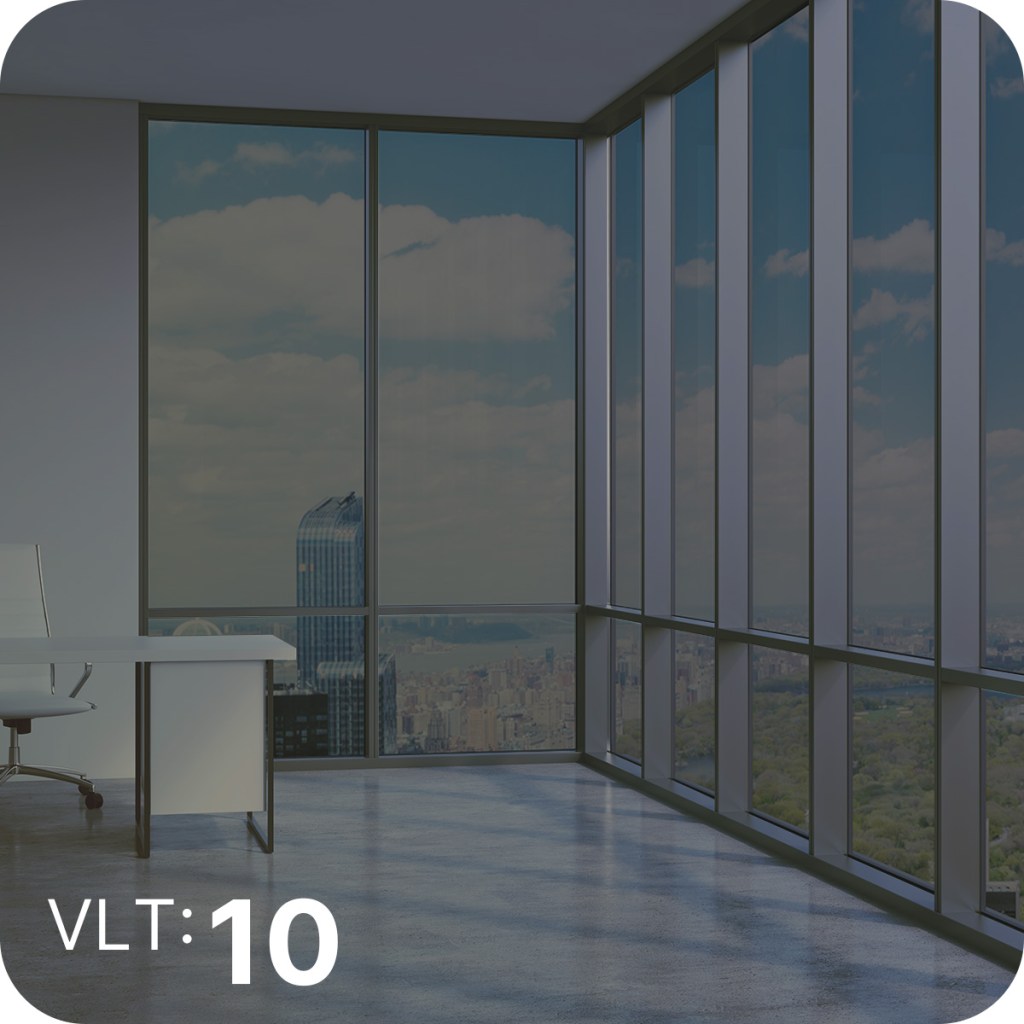
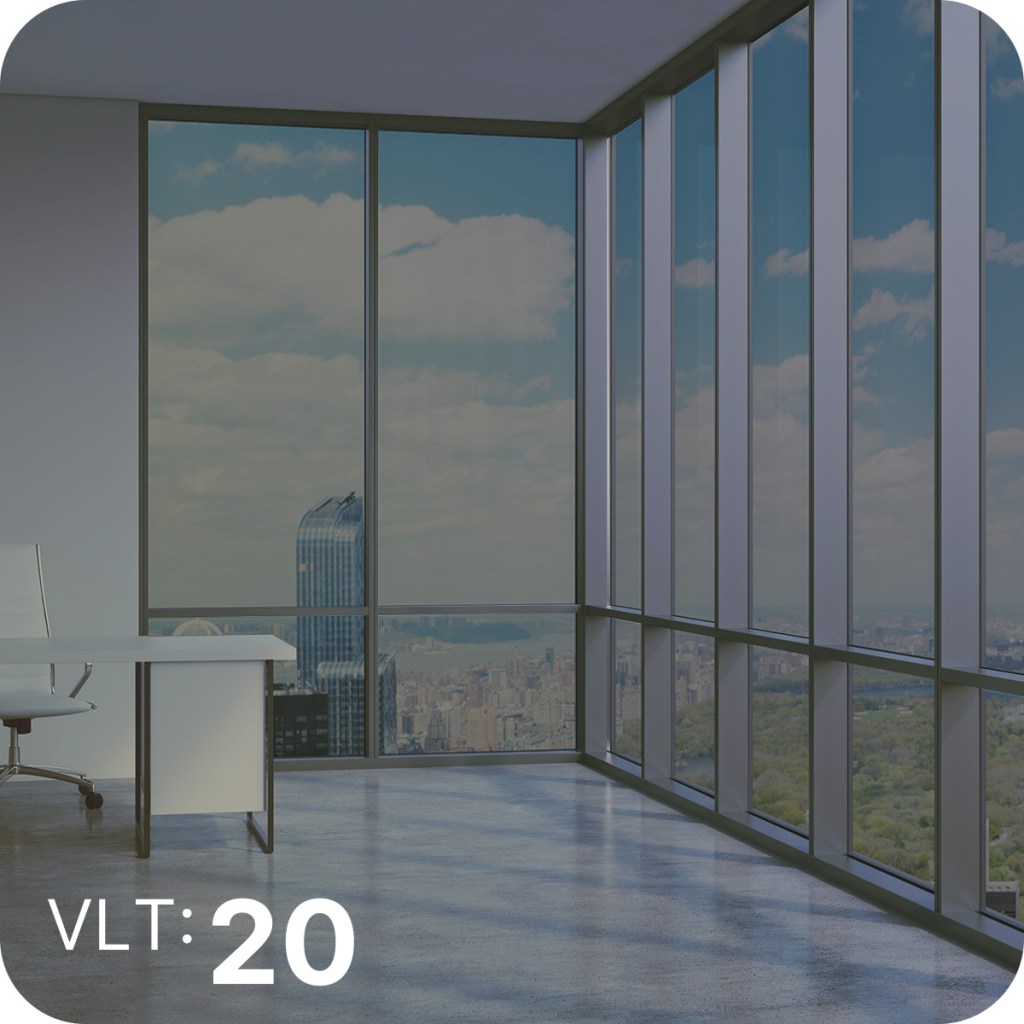
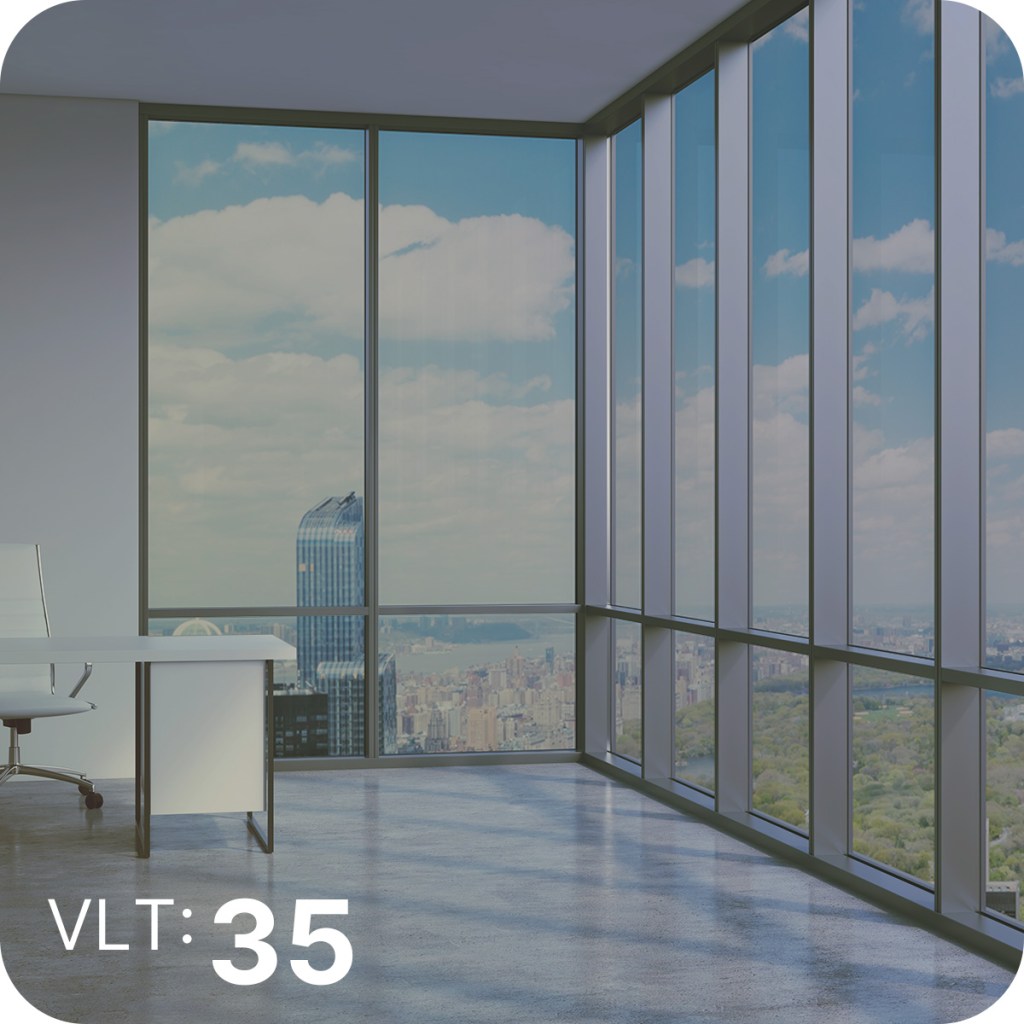
This film also reduces glare and blocks harmful UV rays, protecting interior furnishings from fading and deterioration. Its natural tint maintains a balanced, well-lit environment, ensuring visual comfort without excessive brightness.

Measurements

  • Microns: 100
  • Visible Light Transmitted (VLT): 15%
  • Visible Light Reflected External: 49%
  • Visible Light Reflected Internal: 19%
  • Glare Reduction: 83%
  • Total Solar Energy Transmitted: 18%
  • Total Solar Energy Reflected External: 41%
  • Total Solar Energy Absorbed: 41%
  • Shading Coefficient (SC): 0,30
  • Solar Heat Gain Coefficient (SHGC): 0,26
  • U Factor: 0,94
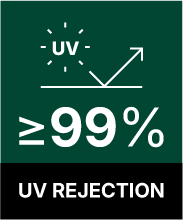
  • UV Rejection: ≥99
  • Emissivity: 0,69
  • Light To Solar Gain: 0,51
  • Total Solar Energy Rejected (TSER): 72%
  • IR Rejection: 90%
  • Infrared Energy Rejection (IRER): 68%
  • Microns: 100
  • Visible Light Transmitted (VLT): 26%
  • Visible Light Reflected External: 29%
  • Visible Light Reflected Internal: 14%
  • Glare Reduction: 69%
  • Total Solar Energy Transmitted: 30%
  • Total Solar Energy Reflected External: 26%
  • Total Solar Energy Absorbed: 44%
  • Shading Coefficient (SC): 0,44
  • Solar Heat Gain Coefficient (SHGC): 0,37
  • U Factor: 0,96
  • UV Rejection: ≥99
  • Emissivity: 0,72
  • Light To Solar Gain: 0,67
  • Total Solar Energy Rejected (TSER): 61%
  • IR Rejection: 80%
  • Infrared Energy Rejection (IRER): 55%
  • Microns: 100
  • Visible Light Transmitted (VLT): 35%
  • Visible Light Reflected External: 15%
  • Visible Light Reflected Internal: 20%
  • Glare Reduction: 58%
  • Total Solar Energy Transmitted: 34%
  • Total Solar Energy Reflected External: 15%
  • Total Solar Energy Absorbed: 51%
  • Shading Coefficient (SC): 0,50
  • Solar Heat Gain Coefficient (SHGC): 0,46
  • U Factor: 0,96
  • UV Rejection: ≥99
  • Emissivity: 0,73
  • Light To Solar Gain: 0,80
  • Total Solar Energy Rejected (TSER): 56%
  • IR Rejection: 82%
  • Infrared Energy Rejection (IRER): 60%
  • Microns: 100
  • Visible Light Transmitted (VLT): 43%
  • Visible Light Reflected External: 14%
  • Visible Light Reflected Internal: 16%
  • Glare Reduction: 50%
  • Total Solar Energy Transmitted: 40%
  • Total Solar Energy Reflected External: 14%
  • Total Solar Energy Absorbed: 45%
  • Shading Coefficient (SC): 0,55
  • Solar Heat Gain Coefficient (SHGC): 0,50
  • U Factor: 0,95
  • UV Rejection: ≥99
  • Emissivity: 0,71
  • Light To Solar Gain: 0,86
  • Total Solar Energy Rejected (TSER): 51%
  • IR Rejection: 75%
  • Infrared Energy Rejection (IRER): 55%
  • Microns: 180
  • Visible Light Transmitted (VLT): 14%
  • Visible Light Reflected External: 49%
  • Visible Light Reflected Internal: 20%
  • Glare Reduction: 85%
  • Total Solar Energy Transmitted: 14%
  • Total Solar Energy Reflected External: 41%
  • Total Solar Energy Absorbed: 46%
  • Shading Coefficient (SC): 0,31
  • Solar Heat Gain Coefficient (SHGC): 0,27
  • U Factor: 0,94
  • UV Rejection: ≥99
  • Emissivity: 0,69
  • Light To Solar Gain: 0,52
  • Total Solar Energy Rejected (TSER): 73%
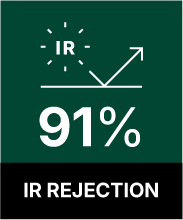
  • IR Rejection: 91%
  • Infrared Energy Rejection (IRER): 69%
  • Microns: 180
  • Visible Light Transmitted (VLT): 26%
  • Visible Light Reflected External: 29%
  • Visible Light Reflected Internal: 15%
  • Glare Reduction: 71%
  • Total Solar Energy Transmitted: 25%
  • Total Solar Energy Reflected External: 26%
  • Total Solar Energy Absorbed: 49%
  • Shading Coefficient (SC): 0,45
  • Solar Heat Gain Coefficient (SHGC): 0,39
  • U Factor: 0,96
  • UV Rejection: ≥99
  • Emissivity: 0,72
  • Light To Solar Gain: 0,65
  • Total Solar Energy Rejected (TSER): 61%
  • IR Rejection: 82%
  • Infrared Energy Rejection (IRER): 55%
  • Microns: 180
  • Visible Light Transmitted (VLT): 36%
  • Visible Light Reflected External: 15%
  • Visible Light Reflected Internal: 22%
  • Glare Reduction: 60%
  • Total Solar Energy Transmitted: 28%
  • Total Solar Energy Reflected External: 15%
  • Total Solar Energy Absorbed: 57%
  • Shading Coefficient (SC): 0,51
  • Solar Heat Gain Coefficient (SHGC): 0,45
  • U Factor: 0,96
  • UV Rejection: ≥99
  • Emissivity: 0,73
  • Light To Solar Gain: 0,80
  • Total Solar Energy Rejected (TSER): 55%
  • IR Rejection: 82%
  • Infrared Energy Rejection (IRER): 59%
  • Microns: 180
  • Visible Light Transmitted (VLT): 43%
  • Visible Light Reflected External: 14%
  • Visible Light Reflected Internal: 17%
  • Glare Reduction: 51%
  • Total Solar Energy Transmitted: 34%
  • Total Solar Energy Reflected External: 14%
  • Total Solar Energy Absorbed: 52%
  • Shading Coefficient (SC): 0,57
  • Solar Heat Gain Coefficient (SHGC): 0,49
  • U Factor: 0,95
  • UV Rejection: ≥99
  • Emissivity: 0,71
  • Light To Solar Gain: 0,88
  • Total Solar Energy Rejected (TSER): 51%
  • IR Rejection: 76%
  • Infrared Energy Rejection (IRER): 55%

Benefits

  1. Natural Look
  2. Advanced Safety Capabilities
  3. Aesthetic Enhancement
  4. Energy Cost Reduction
  5. Multi-Layered Nano Technology
  6. Maximum Protection
  7. UV Rejection

Natural Cool

LACUNA Natural Cool Window Film combines safety and solar control, reinforcing windows against shattering while reducing solar heat gain. Designed for enhanced strength and resilience, it improves indoor comfort and helps lower energy costs by minimizing heat buildup.

This film also reduces glare and blocks harmful UV rays, protecting interior furnishings from fading and deterioration. Its natural tint maintains a balanced, well-lit environment, ensuring visual comfort without excessive brightness.

Measurements

  • Microns: 100
  • Visible Light Transmitted (VLT): 15%
  • Visible Light Reflected External: 49%
  • Visible Light Reflected Internal: 19%
  • Glare Reduction: 83%
  • Total Solar Energy Transmitted: 18%
  • Total Solar Energy Reflected External: 41%
  • Total Solar Energy Absorbed: 41%
  • Shading Coefficient (SC): 0,30
  • Solar Heat Gain Coefficient (SHGC): 0,26
  • U Factor: 0,94
  • UV Rejection: ≥99
  • Emissivity: 0,69
  • Light To Solar Gain: 0,51
  • Total Solar Energy Rejected (TSER): 72%
  • IR Rejection: 90%
  • Infrared Energy Rejection (IRER): 68%
  • Microns: 100
  • Visible Light Transmitted (VLT): 26%
  • Visible Light Reflected External: 29%
  • Visible Light Reflected Internal: 14%
  • Glare Reduction: 69%
  • Total Solar Energy Transmitted: 30%
  • Total Solar Energy Reflected External: 26%
  • Total Solar Energy Absorbed: 44%
  • Shading Coefficient (SC): 0,44
  • Solar Heat Gain Coefficient (SHGC): 0,37
  • U Factor: 0,96
  • UV Rejection: ≥99
  • Emissivity: 0,72
  • Light To Solar Gain: 0,67
  • Total Solar Energy Rejected (TSER): 61%
  • IR Rejection: 80%
  • Infrared Energy Rejection (IRER): 55%
  • Microns: 100
  • Visible Light Transmitted (VLT): 35%
  • Visible Light Reflected External: 15%
  • Visible Light Reflected Internal: 20%
  • Glare Reduction: 58%
  • Total Solar Energy Transmitted: 34%
  • Total Solar Energy Reflected External: 15%
  • Total Solar Energy Absorbed: 51%
  • Shading Coefficient (SC): 0,50
  • Solar Heat Gain Coefficient (SHGC): 0,46
  • U Factor: 0,96
  • UV Rejection: ≥99
  • Emissivity: 0,73
  • Light To Solar Gain: 0,80
  • Total Solar Energy Rejected (TSER): 56%
  • IR Rejection: 82%
  • Infrared Energy Rejection (IRER): 60%
  • Microns: 100
  • Visible Light Transmitted (VLT): 43%
  • Visible Light Reflected External: 14%
  • Visible Light Reflected Internal: 16%
  • Glare Reduction: 50%
  • Total Solar Energy Transmitted: 40%
  • Total Solar Energy Reflected External: 14%
  • Total Solar Energy Absorbed: 45%
  • Shading Coefficient (SC): 0,55
  • Solar Heat Gain Coefficient (SHGC): 0,50
  • U Factor: 0,95
  • UV Rejection: ≥99
  • Emissivity: 0,71
  • Light To Solar Gain: 0,86
  • Total Solar Energy Rejected (TSER): 51%
  • IR Rejection: 75%
  • Infrared Energy Rejection (IRER): 55%
  • Microns: 180
  • Visible Light Transmitted (VLT): 14%
  • Visible Light Reflected External: 49%
  • Visible Light Reflected Internal: 20%
  • Glare Reduction: 85%
  • Total Solar Energy Transmitted: 14%
  • Total Solar Energy Reflected External: 41%
  • Total Solar Energy Absorbed: 46%
  • Shading Coefficient (SC): 0,31
  • Solar Heat Gain Coefficient (SHGC): 0,27
  • U Factor: 0,94
  • UV Rejection: ≥99
  • Emissivity: 0,69
  • Light To Solar Gain: 0,52
  • Total Solar Energy Rejected (TSER): 73%
  • IR Rejection: 91%
  • Infrared Energy Rejection (IRER): 69%
  • Microns: 180
  • Visible Light Transmitted (VLT): 26%
  • Visible Light Reflected External: 29%
  • Visible Light Reflected Internal: 15%
  • Glare Reduction: 71%
  • Total Solar Energy Transmitted: 25%
  • Total Solar Energy Reflected External: 26%
  • Total Solar Energy Absorbed: 49%
  • Shading Coefficient (SC): 0,45
  • Solar Heat Gain Coefficient (SHGC): 0,39
  • U Factor: 0,96
  • UV Rejection: ≥99
  • Emissivity: 0,72
  • Light To Solar Gain: 0,65
  • Total Solar Energy Rejected (TSER): 61%
  • IR Rejection: 82%
  • Infrared Energy Rejection (IRER): 55%
  • Microns: 180
  • Visible Light Transmitted (VLT): 36%
  • Visible Light Reflected External: 15%
  • Visible Light Reflected Internal: 22%
  • Glare Reduction: 60%
  • Total Solar Energy Transmitted: 28%
  • Total Solar Energy Reflected External: 15%
  • Total Solar Energy Absorbed: 57%
  • Shading Coefficient (SC): 0,51
  • Solar Heat Gain Coefficient (SHGC): 0,45
  • U Factor: 0,96
  • UV Rejection: ≥99
  • Emissivity: 0,73
  • Light To Solar Gain: 0,80
  • Total Solar Energy Rejected (TSER): 55%
  • IR Rejection: 82%
  • Infrared Energy Rejection (IRER): 59%
  • Microns: 180
  • Visible Light Transmitted (VLT): 43%
  • Visible Light Reflected External: 14%
  • Visible Light Reflected Internal: 17%
  • Glare Reduction: 51%
  • Total Solar Energy Transmitted: 34%
  • Total Solar Energy Reflected External: 14%
  • Total Solar Energy Absorbed: 52%
  • Shading Coefficient (SC): 0,57
  • Solar Heat Gain Coefficient (SHGC): 0,49
  • U Factor: 0,95
  • UV Rejection: ≥99
  • Emissivity: 0,71
  • Light To Solar Gain: 0,88
  • Total Solar Energy Rejected (TSER): 51%
  • IR Rejection: 76%
  • Infrared Energy Rejection (IRER): 55%

Benefits

  1. Natural Look
  2. Advanced Safety Capabilities
  3. Aesthetic Enhancement
  4. Energy Cost Reduction
  5. Multi-Layered Nano Technology
  6. Maximum Protection
  7. UV Rejection

Frequently Asked Questions

An edge retention system (ERS) reinforces film adhesion to the frame, preventing the entire glass pane from being dislodged during:

  • Explosions
  • Forced entry attempts
  • Hurricane-force winds
  • Entry-level security films: ~25,000 psi tensile strength.
  • Blast-rated films: Up to 33,000+ psi, preventing penetration under extreme force.
  • 8-12 mil films: Reduces injuries from flying glass fragments.
  • 15+ mil films: Used for embassies, airports, and military buildings, offering greater fragment retention.

Yes! While security films don’t make glass unbreakable, they hold shattered pieces in place, making forced entry significantly harder and delaying intruders.

Security films can withstand hurricane-force winds, accidental impact, and burglar attempts, delaying forced entry by up to 5 minutes. Advanced versions meet GSA and ASTM standards for blast mitigation.

Yes! Films meeting ASTM F1642 or GSA TS01-2003 have been tested against blast pressures and debris impact in military, embassy, and high-risk zones.

  • Mechanical Anchors: Metal clamps securing the film to the window frame.
  • Wet Glaze Adhesives: Thick, flexible silicone sealants that bond the film to the frame for blast resistance.

Yes, some films meet UL 10B fire standards, slowing down flame spread and preventing glass from exploding under heat.

Yes, but performance depends on layering compatibility and proper adhesion. It’s best to apply security film first, then decorative overlays.

  • Low tear resistance means glass may separate despite staying intact.
  • High tear-resistant films ensure longer resistance to forced entry, up to 4-6 minutes under assault.

Yes, but special retention adhesives are required for full effectiveness, ensuring the film remains bonded under impact.

High-security films tested under ASTM F1233 & EN 356 standards resist repeated blunt-force attacks from crowbars, bats, and bricks for over 4-6 minutes.

These films use sacrificial coatings, allowing easy removal of:

  • Spray paint
  • Acid etching
  • Scratches
    They can be peeled off without affecting the original glass.

Yes! Flame-retardant security films slow down flame spread and heat transfer, helping protect glass from cracking under high temperatures.

Yes! Security films add shock absorption, reducing breakage risks in homes, schools, and public buildings.

Blog

Blog

Stay Updated

Let’s Explore What We Can Achieve Together!

By submitting the form you agree to The Lacuna LLC Terms & Conditions and Privacy Policy.