
Natural Cool

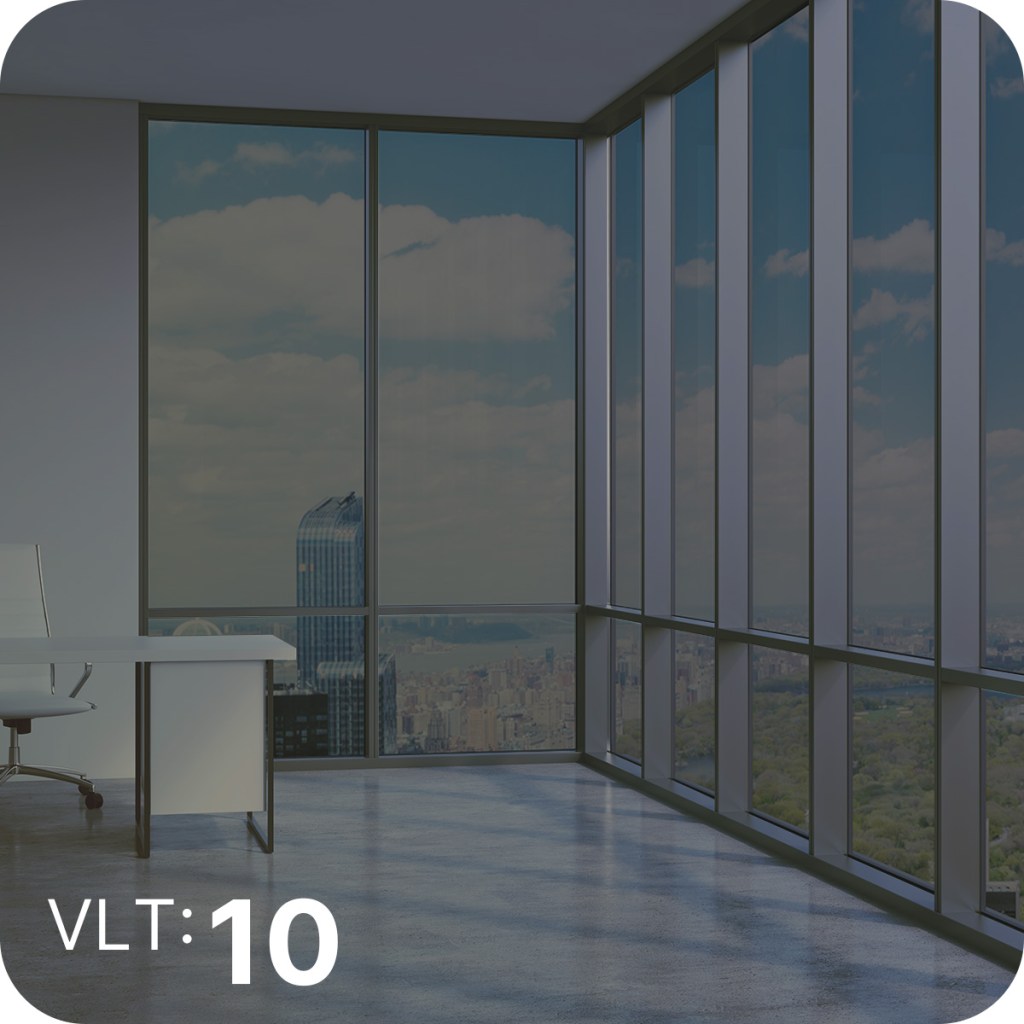
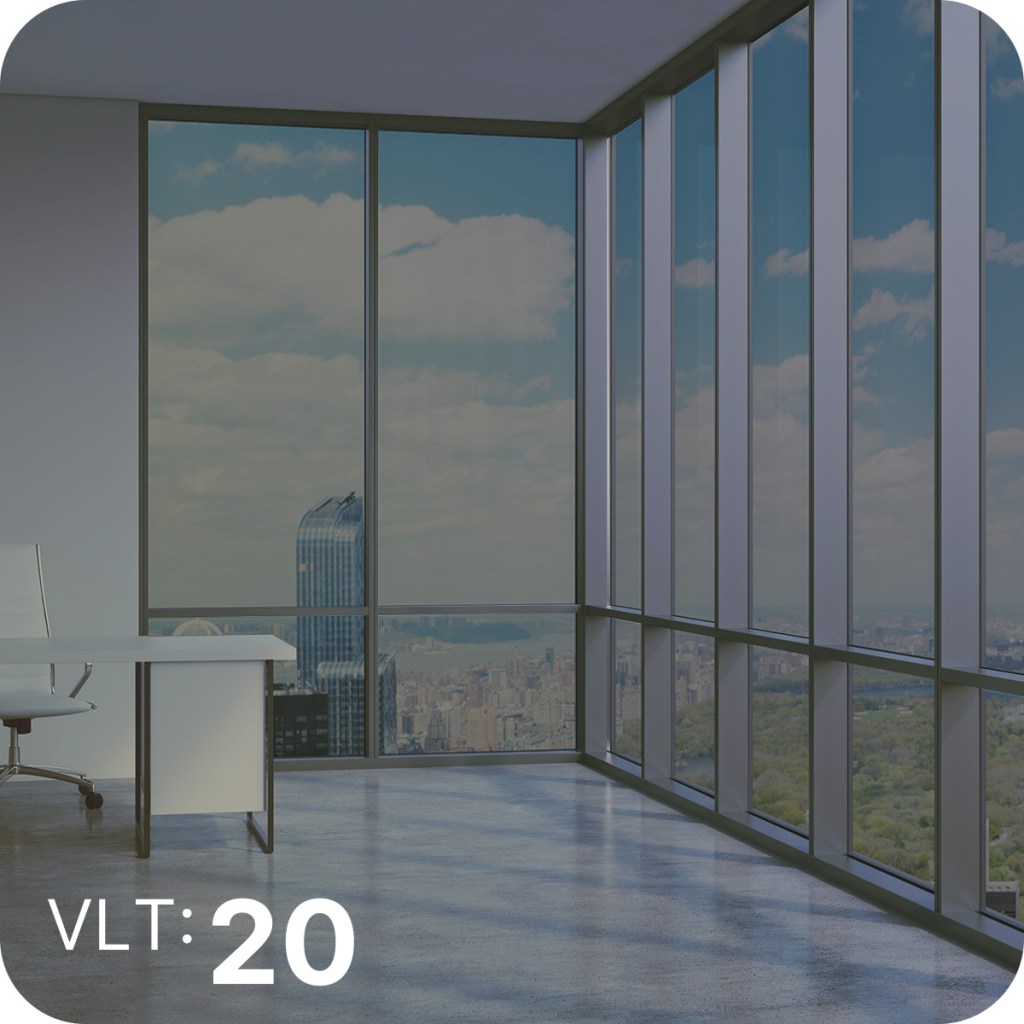
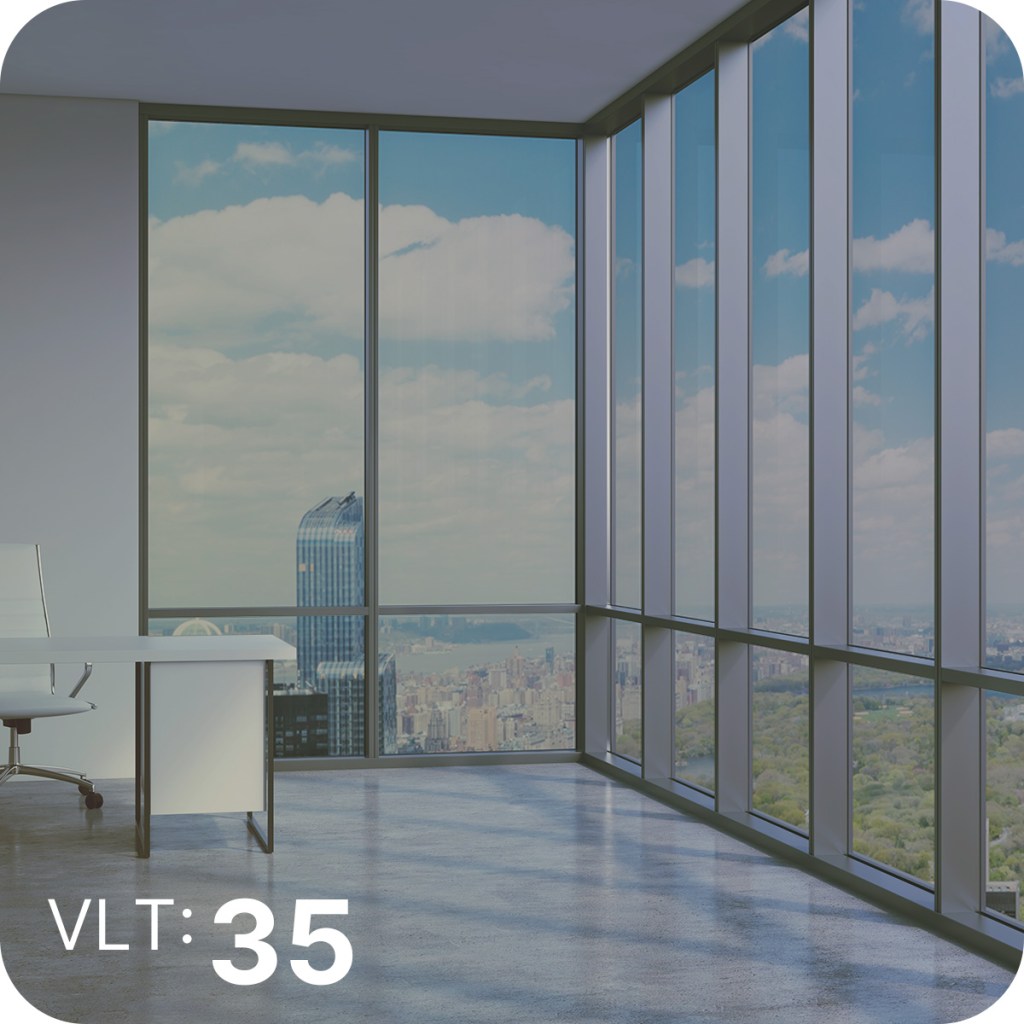
LACUNA Natural Cool Window Film combines safety and solar control, reinforcing windows against shattering while reducing solar heat gain. Designed for enhanced strength and resilience, it improves indoor comfort and helps lower energy costs by minimizing heat buildup.

This film also reduces glare and blocks harmful UV rays, protecting interior furnishings from fading and deterioration. Its natural tint maintains a balanced, well-lit environment, ensuring visual comfort without excessive brightness.

Measurements

  • Microns: 100
  • Visible Light Transmitted (VLT): 15%
  • Visible Light Reflected External: 49%
  • Visible Light Reflected Internal: 19%
  • Glare Reduction: 83%
  • Total Solar Energy Transmitted: 18%
  • Total Solar Energy Reflected External: 41%
  • Total Solar Energy Absorbed: 41%
  • Shading Coefficient (SC): 0,30
  • Solar Heat Gain Coefficient (SHGC): 0,26
  • U Factor: 0,94
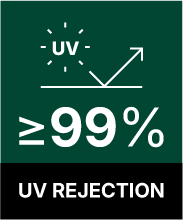
  • UV Rejection: ≥99
  • Emissivity: 0,69
  • Light To Solar Gain: 0,51
  • Total Solar Energy Rejected (TSER): 72%
  • IR Rejection: 90%
  • Infrared Energy Rejection (IRER): 68%
  • Microns: 100
  • Visible Light Transmitted (VLT): 26%
  • Visible Light Reflected External: 29%
  • Visible Light Reflected Internal: 14%
  • Glare Reduction: 69%
  • Total Solar Energy Transmitted: 30%
  • Total Solar Energy Reflected External: 26%
  • Total Solar Energy Absorbed: 44%
  • Shading Coefficient (SC): 0,44
  • Solar Heat Gain Coefficient (SHGC): 0,37
  • U Factor: 0,96
  • UV Rejection: ≥99
  • Emissivity: 0,72
  • Light To Solar Gain: 0,67
  • Total Solar Energy Rejected (TSER): 61%
  • IR Rejection: 80%
  • Infrared Energy Rejection (IRER): 55%
  • Microns: 100
  • Visible Light Transmitted (VLT): 35%
  • Visible Light Reflected External: 15%
  • Visible Light Reflected Internal: 20%
  • Glare Reduction: 58%
  • Total Solar Energy Transmitted: 34%
  • Total Solar Energy Reflected External: 15%
  • Total Solar Energy Absorbed: 51%
  • Shading Coefficient (SC): 0,50
  • Solar Heat Gain Coefficient (SHGC): 0,46
  • U Factor: 0,96
  • UV Rejection: ≥99
  • Emissivity: 0,73
  • Light To Solar Gain: 0,80
  • Total Solar Energy Rejected (TSER): 56%
  • IR Rejection: 82%
  • Infrared Energy Rejection (IRER): 60%
  • Microns: 100
  • Visible Light Transmitted (VLT): 43%
  • Visible Light Reflected External: 14%
  • Visible Light Reflected Internal: 16%
  • Glare Reduction: 50%
  • Total Solar Energy Transmitted: 40%
  • Total Solar Energy Reflected External: 14%
  • Total Solar Energy Absorbed: 45%
  • Shading Coefficient (SC): 0,55
  • Solar Heat Gain Coefficient (SHGC): 0,50
  • U Factor: 0,95
  • UV Rejection: ≥99
  • Emissivity: 0,71
  • Light To Solar Gain: 0,86
  • Total Solar Energy Rejected (TSER): 51%
  • IR Rejection: 75%
  • Infrared Energy Rejection (IRER): 55%
  • Microns: 180
  • Visible Light Transmitted (VLT): 14%
  • Visible Light Reflected External: 49%
  • Visible Light Reflected Internal: 20%
  • Glare Reduction: 85%
  • Total Solar Energy Transmitted: 14%
  • Total Solar Energy Reflected External: 41%
  • Total Solar Energy Absorbed: 46%
  • Shading Coefficient (SC): 0,31
  • Solar Heat Gain Coefficient (SHGC): 0,27
  • U Factor: 0,94
  • UV Rejection: ≥99
  • Emissivity: 0,69
  • Light To Solar Gain: 0,52
  • Total Solar Energy Rejected (TSER): 73%
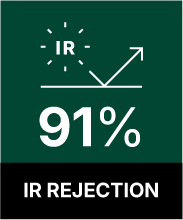
  • IR Rejection: 91%
  • Infrared Energy Rejection (IRER): 69%
  • Microns: 180
  • Visible Light Transmitted (VLT): 26%
  • Visible Light Reflected External: 29%
  • Visible Light Reflected Internal: 15%
  • Glare Reduction: 71%
  • Total Solar Energy Transmitted: 25%
  • Total Solar Energy Reflected External: 26%
  • Total Solar Energy Absorbed: 49%
  • Shading Coefficient (SC): 0,45
  • Solar Heat Gain Coefficient (SHGC): 0,39
  • U Factor: 0,96
  • UV Rejection: ≥99
  • Emissivity: 0,72
  • Light To Solar Gain: 0,65
  • Total Solar Energy Rejected (TSER): 61%
  • IR Rejection: 82%
  • Infrared Energy Rejection (IRER): 55%
  • Microns: 180
  • Visible Light Transmitted (VLT): 36%
  • Visible Light Reflected External: 15%
  • Visible Light Reflected Internal: 22%
  • Glare Reduction: 60%
  • Total Solar Energy Transmitted: 28%
  • Total Solar Energy Reflected External: 15%
  • Total Solar Energy Absorbed: 57%
  • Shading Coefficient (SC): 0,51
  • Solar Heat Gain Coefficient (SHGC): 0,45
  • U Factor: 0,96
  • UV Rejection: ≥99
  • Emissivity: 0,73
  • Light To Solar Gain: 0,80
  • Total Solar Energy Rejected (TSER): 55%
  • IR Rejection: 82%
  • Infrared Energy Rejection (IRER): 59%
  • Microns: 180
  • Visible Light Transmitted (VLT): 43%
  • Visible Light Reflected External: 14%
  • Visible Light Reflected Internal: 17%
  • Glare Reduction: 51%
  • Total Solar Energy Transmitted: 34%
  • Total Solar Energy Reflected External: 14%
  • Total Solar Energy Absorbed: 52%
  • Shading Coefficient (SC): 0,57
  • Solar Heat Gain Coefficient (SHGC): 0,49
  • U Factor: 0,95
  • UV Rejection: ≥99
  • Emissivity: 0,71
  • Light To Solar Gain: 0,88
  • Total Solar Energy Rejected (TSER): 51%
  • IR Rejection: 76%
  • Infrared Energy Rejection (IRER): 55%

Benefits

  1. Natural Look
  2. Advanced Safety Capabilities
  3. Aesthetic Enhancement
  4. Energy Cost Reduction
  5. Multi-Layered Nano Technology
  6. Maximum Protection
  7. UV Rejection

Natural Cool

LACUNA Natural Cool Window Film combines safety and solar control, reinforcing windows against shattering while reducing solar heat gain. Designed for enhanced strength and resilience, it improves indoor comfort and helps lower energy costs by minimizing heat buildup.

This film also reduces glare and blocks harmful UV rays, protecting interior furnishings from fading and deterioration. Its natural tint maintains a balanced, well-lit environment, ensuring visual comfort without excessive brightness.

Measurements

  • Microns: 100
  • Visible Light Transmitted (VLT): 15%
  • Visible Light Reflected External: 49%
  • Visible Light Reflected Internal: 19%
  • Glare Reduction: 83%
  • Total Solar Energy Transmitted: 18%
  • Total Solar Energy Reflected External: 41%
  • Total Solar Energy Absorbed: 41%
  • Shading Coefficient (SC): 0,30
  • Solar Heat Gain Coefficient (SHGC): 0,26
  • U Factor: 0,94
  • UV Rejection: ≥99
  • Emissivity: 0,69
  • Light To Solar Gain: 0,51
  • Total Solar Energy Rejected (TSER): 72%
  • IR Rejection: 90%
  • Infrared Energy Rejection (IRER): 68%
  • Microns: 100
  • Visible Light Transmitted (VLT): 26%
  • Visible Light Reflected External: 29%
  • Visible Light Reflected Internal: 14%
  • Glare Reduction: 69%
  • Total Solar Energy Transmitted: 30%
  • Total Solar Energy Reflected External: 26%
  • Total Solar Energy Absorbed: 44%
  • Shading Coefficient (SC): 0,44
  • Solar Heat Gain Coefficient (SHGC): 0,37
  • U Factor: 0,96
  • UV Rejection: ≥99
  • Emissivity: 0,72
  • Light To Solar Gain: 0,67
  • Total Solar Energy Rejected (TSER): 61%
  • IR Rejection: 80%
  • Infrared Energy Rejection (IRER): 55%
  • Microns: 100
  • Visible Light Transmitted (VLT): 35%
  • Visible Light Reflected External: 15%
  • Visible Light Reflected Internal: 20%
  • Glare Reduction: 58%
  • Total Solar Energy Transmitted: 34%
  • Total Solar Energy Reflected External: 15%
  • Total Solar Energy Absorbed: 51%
  • Shading Coefficient (SC): 0,50
  • Solar Heat Gain Coefficient (SHGC): 0,46
  • U Factor: 0,96
  • UV Rejection: ≥99
  • Emissivity: 0,73
  • Light To Solar Gain: 0,80
  • Total Solar Energy Rejected (TSER): 56%
  • IR Rejection: 82%
  • Infrared Energy Rejection (IRER): 60%
  • Microns: 100
  • Visible Light Transmitted (VLT): 43%
  • Visible Light Reflected External: 14%
  • Visible Light Reflected Internal: 16%
  • Glare Reduction: 50%
  • Total Solar Energy Transmitted: 40%
  • Total Solar Energy Reflected External: 14%
  • Total Solar Energy Absorbed: 45%
  • Shading Coefficient (SC): 0,55
  • Solar Heat Gain Coefficient (SHGC): 0,50
  • U Factor: 0,95
  • UV Rejection: ≥99
  • Emissivity: 0,71
  • Light To Solar Gain: 0,86
  • Total Solar Energy Rejected (TSER): 51%
  • IR Rejection: 75%
  • Infrared Energy Rejection (IRER): 55%
  • Microns: 180
  • Visible Light Transmitted (VLT): 14%
  • Visible Light Reflected External: 49%
  • Visible Light Reflected Internal: 20%
  • Glare Reduction: 85%
  • Total Solar Energy Transmitted: 14%
  • Total Solar Energy Reflected External: 41%
  • Total Solar Energy Absorbed: 46%
  • Shading Coefficient (SC): 0,31
  • Solar Heat Gain Coefficient (SHGC): 0,27
  • U Factor: 0,94
  • UV Rejection: ≥99
  • Emissivity: 0,69
  • Light To Solar Gain: 0,52
  • Total Solar Energy Rejected (TSER): 73%
  • IR Rejection: 91%
  • Infrared Energy Rejection (IRER): 69%
  • Microns: 180
  • Visible Light Transmitted (VLT): 26%
  • Visible Light Reflected External: 29%
  • Visible Light Reflected Internal: 15%
  • Glare Reduction: 71%
  • Total Solar Energy Transmitted: 25%
  • Total Solar Energy Reflected External: 26%
  • Total Solar Energy Absorbed: 49%
  • Shading Coefficient (SC): 0,45
  • Solar Heat Gain Coefficient (SHGC): 0,39
  • U Factor: 0,96
  • UV Rejection: ≥99
  • Emissivity: 0,72
  • Light To Solar Gain: 0,65
  • Total Solar Energy Rejected (TSER): 61%
  • IR Rejection: 82%
  • Infrared Energy Rejection (IRER): 55%
  • Microns: 180
  • Visible Light Transmitted (VLT): 36%
  • Visible Light Reflected External: 15%
  • Visible Light Reflected Internal: 22%
  • Glare Reduction: 60%
  • Total Solar Energy Transmitted: 28%
  • Total Solar Energy Reflected External: 15%
  • Total Solar Energy Absorbed: 57%
  • Shading Coefficient (SC): 0,51
  • Solar Heat Gain Coefficient (SHGC): 0,45
  • U Factor: 0,96
  • UV Rejection: ≥99
  • Emissivity: 0,73
  • Light To Solar Gain: 0,80
  • Total Solar Energy Rejected (TSER): 55%
  • IR Rejection: 82%
  • Infrared Energy Rejection (IRER): 59%
  • Microns: 180
  • Visible Light Transmitted (VLT): 43%
  • Visible Light Reflected External: 14%
  • Visible Light Reflected Internal: 17%
  • Glare Reduction: 51%
  • Total Solar Energy Transmitted: 34%
  • Total Solar Energy Reflected External: 14%
  • Total Solar Energy Absorbed: 52%
  • Shading Coefficient (SC): 0,57
  • Solar Heat Gain Coefficient (SHGC): 0,49
  • U Factor: 0,95
  • UV Rejection: ≥99
  • Emissivity: 0,71
  • Light To Solar Gain: 0,88
  • Total Solar Energy Rejected (TSER): 51%
  • IR Rejection: 76%
  • Infrared Energy Rejection (IRER): 55%

Benefits

  1. Natural Look
  2. Advanced Safety Capabilities
  3. Aesthetic Enhancement
  4. Energy Cost Reduction
  5. Multi-Layered Nano Technology
  6. Maximum Protection
  7. UV Rejection

Frequently Asked Questions

Yes! Security films reinforce older windows, preventing breakage and shattering, but edge-retention systems may be needed for extra durability.

In ASTM F1642 & GSA testing, properly installed films reduce glass fragmentation by up to 92%, minimizing casualties in bomb explosions.

Clear security films are nearly invisible, while tinted versions add privacy and solar control.

No, shutters are removable and vulnerable to forced entry, while security films remain permanently bonded to glass.

Yes, but performance depends on layering compatibility and proper adhesion. It’s best to apply security film first, then decorative overlays.

Safety and security window films are multi-layered, high-tensile polyester films applied to glass surfaces to reinforce windows against breakage, forced entry, and impacts. They hold shattered glass together, reducing injury risks, property damage, and intrusion attempts.

Yes, GSA-rated blast-resistant security films absorb shockwaves and reduce flying glass debris, minimizing injuries.

Yes! Flame-retardant security films slow down flame spread and heat transfer, helping protect glass from cracking under high temperatures.

Yes! Many security films include solar control layers, reducing heat buildup and UV exposure inside buildings.

Yes! While security films don’t make glass unbreakable, they hold shattered pieces in place, making forced entry significantly harder and delaying intruders.

Yes! Films meeting ASTM F1642 or GSA TS01-2003 have been tested against blast pressures and debris impact in military, embassy, and high-risk zones.

Security films can delay entry by 3-5 minutes, which can be enough time for security alerts or law enforcement response.

Yes, but the effectiveness depends on glass thickness, type (tempered, laminated, annealed), and whether an edge retention system is used for extra reinforcement.

Security films are made from multi-layered polyester (PET) with proprietary coatings, including:

  • Nano-ceramic layers for heat rejection and durability.
  • UV-stabilized adhesives for long-lasting adhesion.
  • Optically clear polyurethane coatings to enhance visibility and shatter resistance.
  • Acrylic pressure-sensitive adhesives (PSA) for extreme bonding with glass surfaces.
  • Clear security films (90% VLT) preserve maximum visibility.
  • Tinted security films (35-50% VLT) add privacy while blocking infrared heat.

Blog

Blog

Stay Updated

Let’s Explore What We Can Achieve Together!

By submitting the form you agree to The Lacuna LLC Terms & Conditions and Privacy Policy.