
Full Metal Mirror

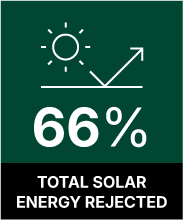
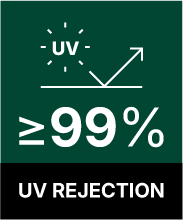
LACUNA Full Metal Mirror is a metalized window film that utilizes Full Metal Technology to provide a highly reflective, mirrored finish. This film enhances privacy, improves aesthetics, and delivers superior heat rejection by reflecting solar energy away from the vehicle.
Engineered to block UV and IR rays, it helps maintain a cooler interior while protecting passengers and preventing upholstery deterioration. Its reflective surface also minimizes glare, improving visibility and ensuring a more comfortable and safer driving experience.
Full Metal Mirror
LACUNA Full Metal Mirror is a metalized window film that utilizes Full Metal Technology to provide a highly reflective, mirrored finish. This film enhances privacy, improves aesthetics, and delivers superior heat rejection by reflecting solar energy away from the vehicle.
Engineered to block UV and IR rays, it helps maintain a cooler interior while protecting passengers and preventing upholstery deterioration. Its reflective surface also minimizes glare, improving visibility and ensuring a more comfortable and safer driving experience.
Measurements
Benefits
- Full Metal Technology for Increased Insulation
- Effective Heat Rejection
- Aesthetic Enhancement
- UV Protection
- Fade Resistance
- Enhanced Privacy
- Metal Mirror Effect


Measurements
Benefits
- Full Metal Technology for Increased Insulation
- Effective Heat Rejection
- Aesthetic Enhancement
- UV Protection
- Fade Resistance
- Enhanced Privacy
- Metal Mirror Effect

Frequently Asked Questions
Blog
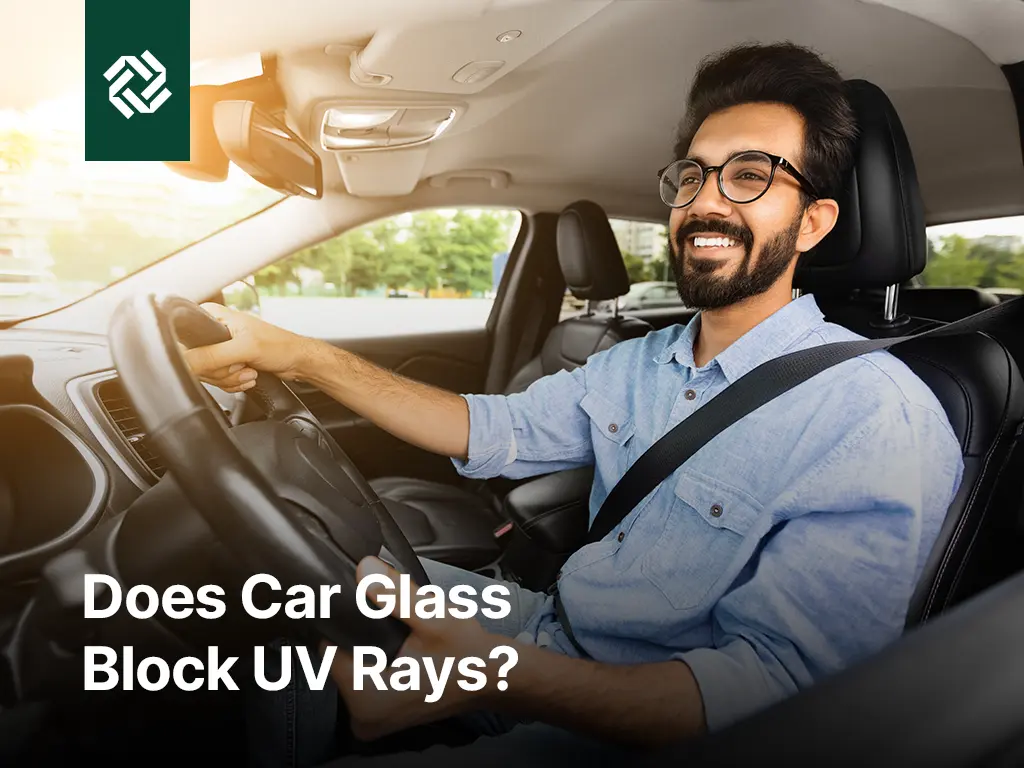
Most drivers assume that once they step into their vehicle, roll up the windows, and turn on the air conditioning,[...]
Two window films can look almost identical from the outside and perform very differently once the sun hits the glass.[...]

Choosing the right window tint is about more than deciding how dark you want your car windows to look. Different[...]
When you step into your car on a sunny afternoon, you might be thinking about the heat. However, there’s a[...]

For Tesla owners, driving an electric vehicle is an unparalleled experience of technology, performance, and minimalist design. However, there is[...]
Investing in high quality window tinting transforms your driving experience, upgrading everything from your vehicle’s aesthetics to passenger comfort. Beyond[...]
Blog
-
Most drivers assume that once they step into their vehicle, roll up the windows, and turn on the air conditioning,[...]
-
Two window films can look almost identical from the outside and perform very differently once the sun hits the glass.[...]
-
Choosing the right window tint is about more than deciding how dark you want your car windows to look. Different[...]
-
When you step into your car on a sunny afternoon, you might be thinking about the heat. However, there’s a[...]
-
For Tesla owners, driving an electric vehicle is an unparalleled experience of technology, performance, and minimalist design. However, there is[...]
-
Investing in high quality window tinting transforms your driving experience, upgrading everything from your vehicle’s aesthetics to passenger comfort. Beyond[...]
Stay Updated
Let’s Explore What We Can Achieve Together!
By submitting the form you agree to The Lacuna LLC Terms & Conditions and Privacy Policy.