
Full Metal Mirror

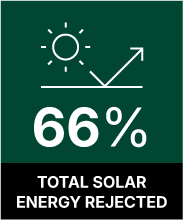
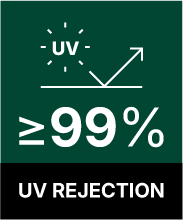
LACUNA Full Metal Mirror is a metalized window film that utilizes Full Metal Technology to provide a highly reflective, mirrored finish. This film enhances privacy, improves aesthetics, and delivers superior heat rejection by reflecting solar energy away from the vehicle.
Engineered to block UV and IR rays, it helps maintain a cooler interior while protecting passengers and preventing upholstery deterioration. Its reflective surface also minimizes glare, improving visibility and ensuring a more comfortable and safer driving experience.
Full Metal Mirror
LACUNA Full Metal Mirror is a metalized window film that utilizes Full Metal Technology to provide a highly reflective, mirrored finish. This film enhances privacy, improves aesthetics, and delivers superior heat rejection by reflecting solar energy away from the vehicle.
Engineered to block UV and IR rays, it helps maintain a cooler interior while protecting passengers and preventing upholstery deterioration. Its reflective surface also minimizes glare, improving visibility and ensuring a more comfortable and safer driving experience.
Measurements
Benefits
- Full Metal Technology for Increased Insulation
- Effective Heat Rejection
- Aesthetic Enhancement
- UV Protection
- Fade Resistance
- Enhanced Privacy
- Metal Mirror Effect


Measurements
Benefits
- Full Metal Technology for Increased Insulation
- Effective Heat Rejection
- Aesthetic Enhancement
- UV Protection
- Fade Resistance
- Enhanced Privacy
- Metal Mirror Effect

Frequently Asked Questions
Blog

Bird Friendly Window Film Protecting Wildlife
Modern architecture relies heavily on glass to create stunning aesthetics, maximize natural light, and offer breathtaking views. However, this design[...]
One Way Window Film How does it Actually Work?
Achieving the perfect balance between enjoying natural sunlight and maintaining indoor privacy is a common architectural challenge. Whether you are[...]
Ceramic vs. Carbon vs. Dyed Window Tint Which is Best for Your Vehicle?
When it comes to upgrading your driving experience, choosing the right window film is more than just a matter of[...]

PPF vs. Vinyl Wrap Which One Should You Get?
When it comes to enhancing or protecting your vehicle, you’ve likely encountered two popular options Paint Protection Film (PPF) and[...]

Office Building Security Window Film: A Comprehensive Guide for US Property Managers
In the United States, commercial property management requires a proactive approach to building resilience. From the high-rise office towers of[...]
Does UV Blocking Window Films Work?
When the summer sun hits, homeowners and building managers across the USA face the same dilemma: beautiful natural light versus[...]
Blog
Bird Friendly Window Film Protecting Wildlife
Modern architecture relies heavily on glass to create stunning aesthetics, maximize natural light, and offer breathtaking views. However, this design[...]
One Way Window Film How does it Actually Work?
Achieving the perfect balance between enjoying natural sunlight and maintaining indoor privacy is a common architectural challenge. Whether you are[...]
Ceramic vs. Carbon vs. Dyed Window Tint Which is Best for Your Vehicle?
When it comes to upgrading your driving experience, choosing the right window film is more than just a matter of[...]
PPF vs. Vinyl Wrap Which One Should You Get?
When it comes to enhancing or protecting your vehicle, you’ve likely encountered two popular options Paint Protection Film (PPF) and[...]
Office Building Security Window Film: A Comprehensive Guide for US Property Managers
In the United States, commercial property management requires a proactive approach to building resilience. From the high-rise office towers of[...]
Does UV Blocking Window Films Work?
When the summer sun hits, homeowners and building managers across the USA face the same dilemma: beautiful natural light versus[...]
Stay Updated
Let’s Explore What We Can Achieve Together!
By submitting the form you agree to The Lacuna LLC Terms & Conditions and Privacy Policy.