
Nano Ceramic IR

LACUNA Nano Ceramic IR window film combines advanced nano-ceramic technology with superior heat rejection. Designed for maximum insulation, it significantly reduces interior heat buildup while maintaining a comfortable driving environment, even in intense sunlight. Its refined smoked finish enhances aesthetics while protecting the interior from sun damage.

Engineered to block harmful UV and IR rays, this film minimizes glare, prevents fading, and shields passengers from potential skin-related health risks—all while ensuring clear visibility for a safe driving experience.
Nano Ceramic IR

LACUNA Nano Ceramic IR window film combines advanced nano-ceramic technology with superior heat rejection. Designed for maximum insulation, it significantly reduces interior heat buildup while maintaining a comfortable driving environment, even in intense sunlight. Its refined smoked finish enhances aesthetics while protecting the interior from sun damage.

Engineered to block harmful UV and IR rays, this film minimizes glare, prevents fading, and shields passengers from potential skin-related health risks—all while ensuring clear visibility for a safe driving experience.

Measurements

  • Visible Light Transmitted (VLT): 7%
  • Visible Light Reflected: 5%
  • Glare Reduction: 93%
  • U Factor: 1,01
  • Solar Protection Factor (SPF): 1000+
  • UV Rejection: ≥99
  • Total Solar Energy Rejected (TSER): 80%
  • IR Rejection: 90%
  • Warranty: 15 Years
  • Average Performance: 79%
  • Visible Light Transmitted (VLT): 19%
  • Visible Light Reflected: 5%
  • Glare Reduction: 76%
  • U Factor: 1,01
  • Solar Protection Factor (SPF): 1000+
  • UV Rejection: ≥99
  • Total Solar Energy Rejected (TSER): 76%
  • IR Rejection: 86%
  • Warranty: 15 Years
  • Average Performance: 79%
  • Visible Light Transmitted (VLT): 34%
  • Visible Light Reflected: 6%
  • Glare Reduction: 55%
  • U Factor: 1,01
  • Solar Protection Factor (SPF): 1000+
  • UV Rejection: ≥99
  • Total Solar Energy Rejected (TSER): 70%
  • IR Rejection: 83%
  • Warranty: 15 Years
  • Average Performance: 79%
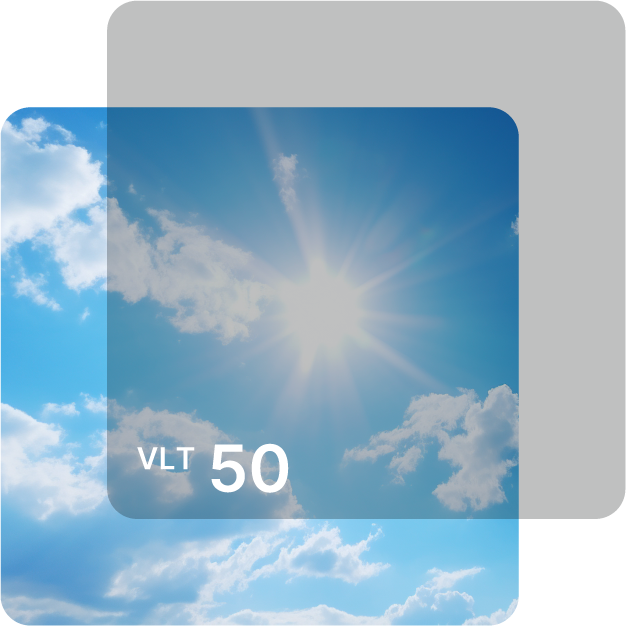
  • Visible Light Transmitted (VLT): 50%
  • Visible Light Reflected: 6%
  • Glare Reduction: 42%
  • U Factor: 1,01
  • Solar Protection Factor (SPF): 1000+
  • UV Rejection: ≥99
  • Total Solar Energy Rejected (TSER): 62%
  • IR Rejection: 78%
  • Warranty: 15 Years
  • Average Performance: 79%

Benefits

  1. Nano Ceramic Technology For Advanced Insulation
  2. Effective Heat Rejection
  3. Aesthetic Enhancement
  4. UV Protection
  5. Fade Resistance
  6. Enhanced Privacy
  7. Smoked Tone
  8. Signal Friendly

Measurements

  • Visible Light Transmitted (VLT): 7%
  • Visible Light Reflected: 5%
  • Glare Reduction: 93%
  • U Factor: 1,01
  • Solar Protection Factor (SPF): 1000+
  • UV Rejection: ≥99
  • Total Solar Energy Rejected (TSER): 80%
  • IR Rejection: 90%
  • Warranty: 15 Years
  • Average Performance: 79%
  • Visible Light Transmitted (VLT): 19%
  • Visible Light Reflected: 5%
  • Glare Reduction: 76%
  • U Factor: 1,01
  • Solar Protection Factor (SPF): 1000+
  • UV Rejection: ≥99
  • Total Solar Energy Rejected (TSER): 76%
  • IR Rejection: 86%
  • Warranty: 15 Years
  • Average Performance: 79%
  • Visible Light Transmitted (VLT): 34%
  • Visible Light Reflected: 6%
  • Glare Reduction: 55%
  • U Factor: 1,01
  • Solar Protection Factor (SPF): 1000+
  • UV Rejection: ≥99
  • Total Solar Energy Rejected (TSER): 70%
  • IR Rejection: 83%
  • Warranty: 15 Years
  • Average Performance: 79%
  • Visible Light Transmitted (VLT): 50%
  • Visible Light Reflected: 6%
  • Glare Reduction: 42%
  • U Factor: 1,01
  • Solar Protection Factor (SPF): 1000+
  • UV Rejection: ≥99
  • Total Solar Energy Rejected (TSER): 62%
  • IR Rejection: 78%
  • Warranty: 15 Years
  • Average Performance: 79%

Benefits

  1. Nano Ceramic Technology For Advanced Insulation
  2. Effective Heat Rejection
  3. Aesthetic Enhancement
  4. UV Protection
  5. Fade Resistance
  6. Enhanced Privacy
  7. Smoked Tone
  8. Signal Friendly

Frequently Asked Questions

No, but some anti-scratch coatings help films last longer by resisting minor abrasions and swirl marks.

Yes, high-quality UV and anti-glare films reduce eye fatigue by blocking harsh sunlight and reflections, improving comfort for long drives.

Yes, some anti-glare films reduce rear-window reflection, improving visibility in convertibles and soft-top vehicles.

Yes, by blocking pollutants, dust, and excessive sunlight, high-quality window films help reduce interior air contamination, improving the performance of car air filtration systems.

High-quality films retain interior warmth by reducing heat loss through windows, making the car warmer in cold weather and improving energy efficiency.

Yes, infrared-rejecting films help lower the surface temperature inside the car, protecting touchscreens, sensors, and electronics from excessive heat.

Yes, one-way privacy films create a mirrored reflection under strong sunlight while maintaining clear visibility at night, depending on ambient light conditions.

Yes, front windshield films require higher optical clarity to avoid visual distortion, while side window films focus on heat rejection, privacy, and glare reduction.

Yes, specialized tints for commercial and recreational vehicles provide UV and glare protection while ensuring road safety compliance.

Look for edges peelinglight distortion, or a visible film layer when rolling down the window. If unsure, a professional installer can check.

Yes, impact-resistant security films protect windows from debris, scratches, and extreme weather conditions during off-road driving.

Factory-tinted glass only darkens the glass without providing heat rejection, UV protection, or glare reduction. Aftermarket window films are engineered to block heat and UV radiation, offering enhanced comfort and energy savings.

Yes, vehicles with ADAS (Advanced Driver Assistance Systems) need non-metallic films to prevent interference with cameras, radar, and sensors.

Yes, infrared heat-blocking films help manage EV battery temperature, reducing the strain on climate control systems and preserving driving range.

Some regions allow medical exemptions for individuals with light sensitivity or skin conditions that require additional UV protection.

Blog

  • How Long Does PPF Last

How Long Does PPF Last?

06/10/2026|

Investing in Paint Protection Film (PPF), often called a "clear bra," is one of the best decisions you can make[...]

Blog

How Long Does PPF Last?

06/10/2026|

Investing in Paint Protection Film (PPF), often called a "clear bra," is one of the best decisions you can make[...]

Stay Updated

Let’s Explore What We Can Achieve Together!

By submitting the form you agree to The Lacuna LLC Terms & Conditions and Privacy Policy.