
Silver Safety

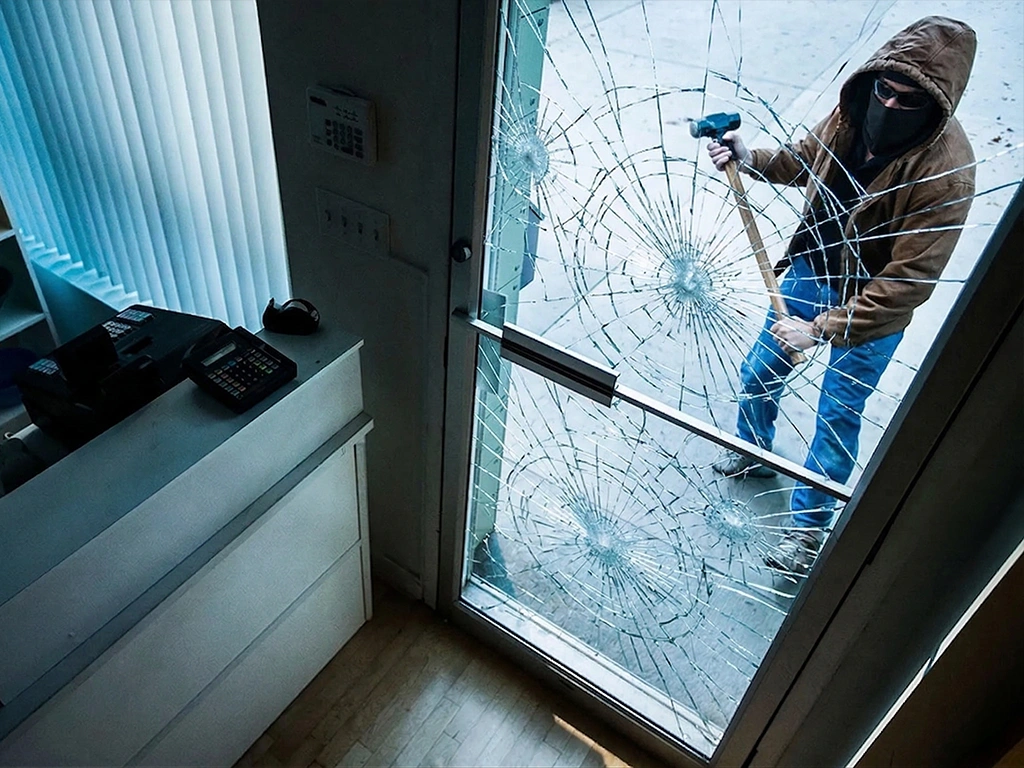
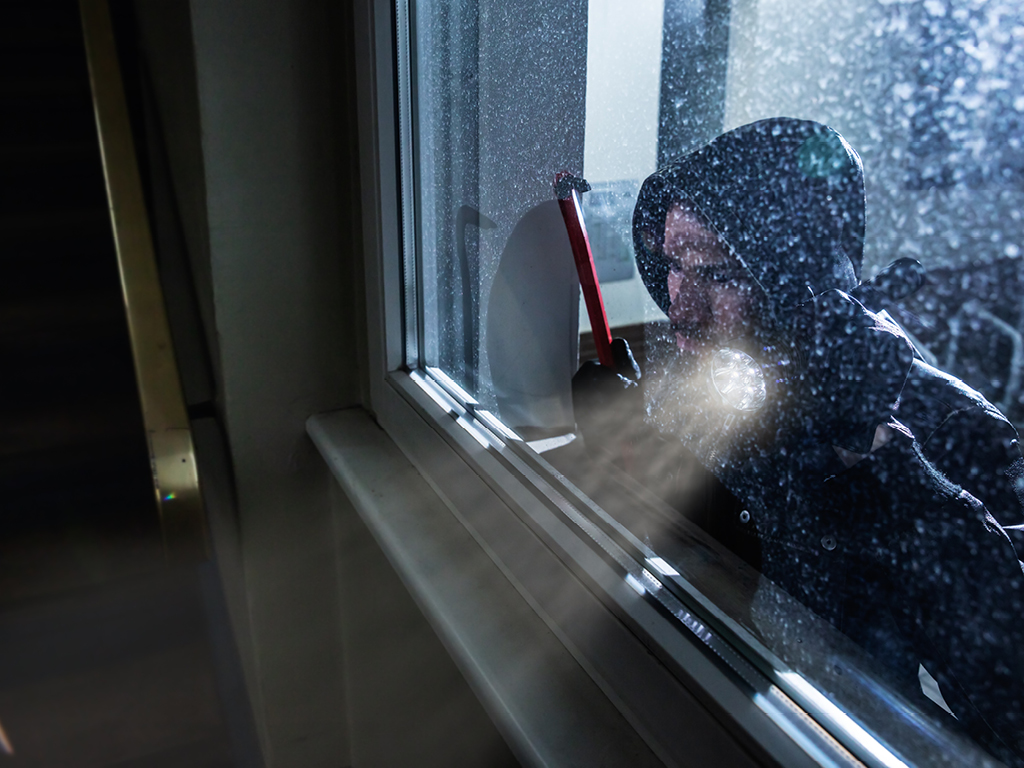
LACUNA Silver Safety Window Film is designed to enhance window resilience, making them significantly tougher against breakages from physical impacts. The film also highlights the aesthetic appeal and insulation of the building, offering a reflective silver look that contributes to solar control by reflecting sunlight, thus reducing heat and glare inside.

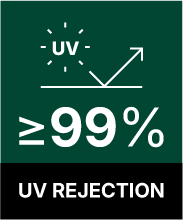
This film also provides robust UV protection, preventing the fading of interior furnishings by blocking out harmful rays. This ensures the longevity of internal decor and contributes to the overall preservation of the building’s interior aesthetics.

Measurements

  • Microns: 100
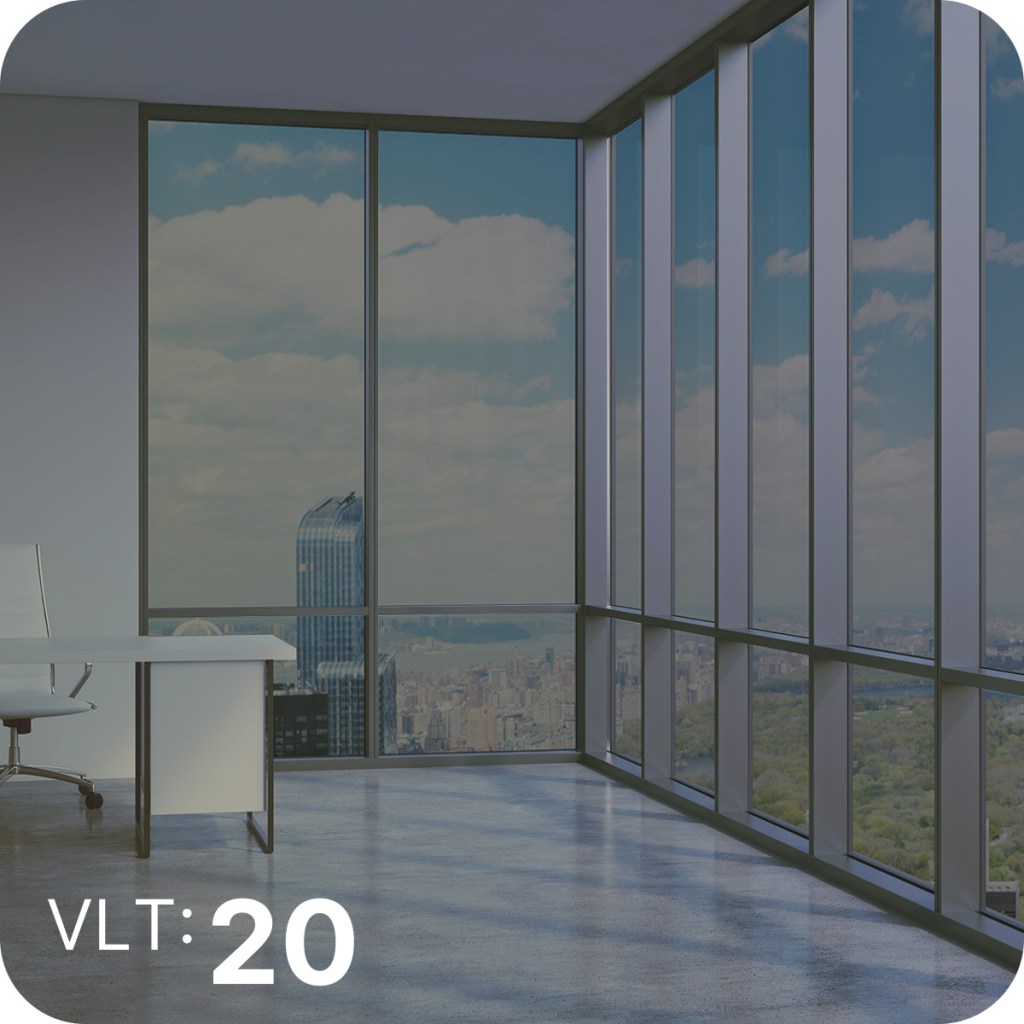
  • Visible Light Transmitted (VLT): 18%
  • Visible Light Reflected External: 55%
  • Visible Light Reflected Internal: 57%
  • Glare Reduction: 80%
  • Total Solar Energy Transmitted: 12%
  • Total Solar Energy Reflected External: 45%
  • Total Solar Energy Absorbed: 43%
  • Shading Coefficient (SC): 0,27
  • Solar Heat Gain Coefficient (SHGC): 0,24
  • U Factor: 0,90
  • UV Rejection: ≥99
  • Emissivity: 0,60
  • Light To Solar Gain: 0,75
  • Total Solar Energy Rejected (TSER): 76%
  • IR Rejection: 95%
  • Infrared Energy Rejection (IRER): 78%
  • Microns: 100
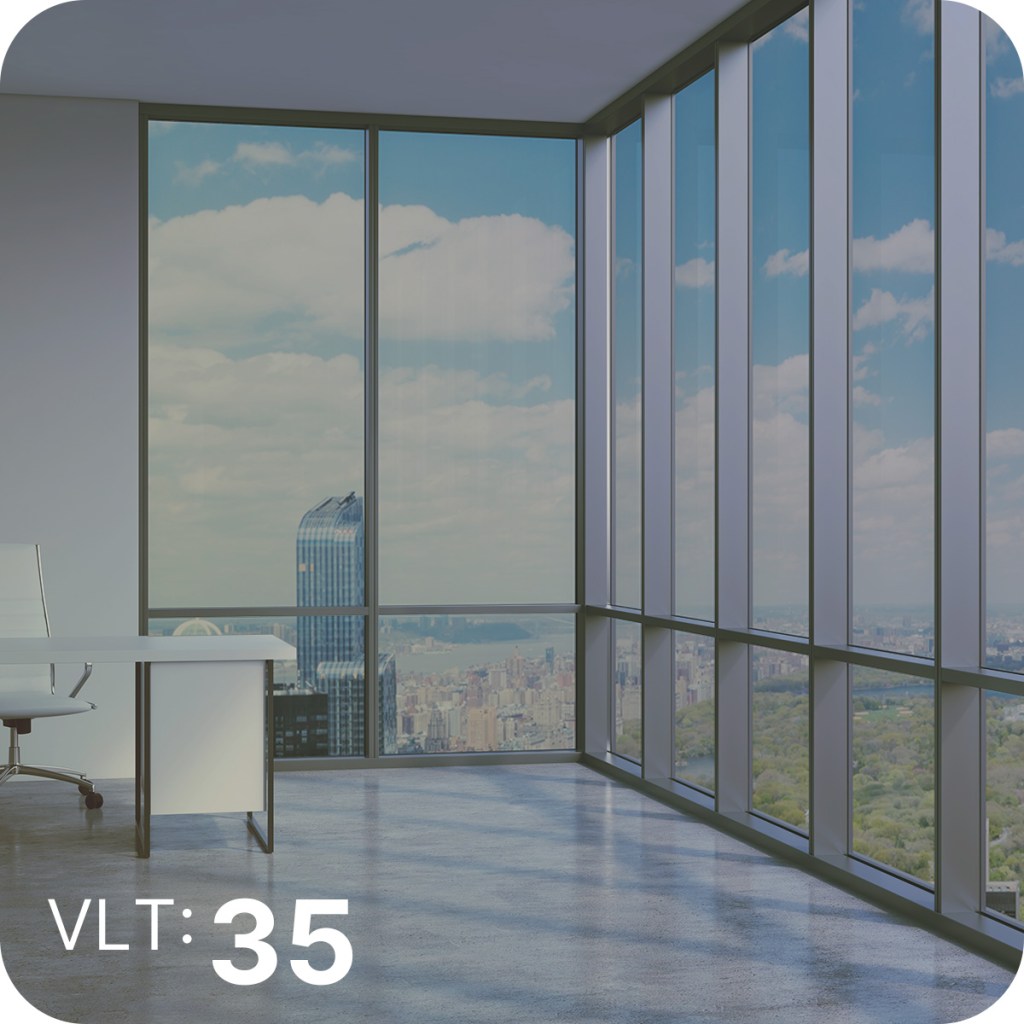
  • Visible Light Transmitted (VLT): 44%
  • Visible Light Reflected External: 27%
  • Visible Light Reflected Internal: 26%
  • Glare Reduction: 51%
  • Total Solar Energy Transmitted: 32%
  • Total Solar Energy Reflected External: 24%
  • Total Solar Energy Absorbed: 44%
  • Shading Coefficient (SC): 0,51
  • Solar Heat Gain Coefficient (SHGC): 0,44
  • U Factor: 0,94
  • UV Rejection: ≥99
  • Emissivity: 0,68
  • Light To Solar Gain: 0,99
  • Total Solar Energy Rejected (TSER): 56%
  • IR Rejection: 56%
  • Infrared Energy Rejection (IRER): 62%
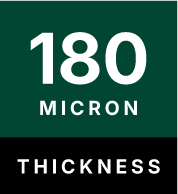
  • Microns: 180
  • Visible Light Transmitted (VLT): 17%
  • Visible Light Reflected External: 56%
  • Visible Light Reflected Internal: 58%
  • Glare Reduction: 81%
  • Total Solar Energy Transmitted: 12%
  • Total Solar Energy Reflected External: 45%
  • Total Solar Energy Absorbed: 43%
  • Shading Coefficient (SC): 0,27
  • Solar Heat Gain Coefficient (SHGC): 0,23
  • U Factor: 0,88
  • UV Rejection: ≥99
  • Emissivity: 0,58
  • Light To Solar Gain: 0,74
  • Total Solar Energy Rejected (TSER): 77%
  • IR Rejection: 77%
  • Infrared Energy Rejection (IRER): 78%
  • Microns: 180
  • Visible Light Transmitted (VLT): 44%
  • Visible Light Reflected External: 28%
  • Visible Light Reflected Internal: 27%
  • Glare Reduction: 51%
  • Total Solar Energy Transmitted: 31%
  • Total Solar Energy Reflected External: 24%
  • Total Solar Energy Absorbed: 45%
  • Shading Coefficient (SC): 0,51
  • Solar Heat Gain Coefficient (SHGC): 0,44
  • U Factor: 0,95
  • UV Rejection: ≥99
  • Emissivity: 0,70
  • Light To Solar Gain: 0,99
  • Total Solar Energy Rejected (TSER): 56%
  • IR Rejection: 56%
  • Infrared Energy Rejection (IRER): 62%

Benefits

  1. Reflective Silver Look
  2. Advanced Safety Capabilities
  3. Aesthetic Enhancement
  4. Energy Cost Reduction
  5. Multi-Layered Nano Technology
  6. Maximum Protection
  7. UV Rejection

Silver Safety

LACUNA Silver Safety Window Film is designed to enhance window resilience, making them significantly tougher against breakages from physical impacts. The film also highlights the aesthetic appeal and insulation of the building, offering a reflective silver look that contributes to solar control by reflecting sunlight, thus reducing heat and glare inside.

This film also provides robust UV protection, preventing the fading of interior furnishings by blocking out harmful rays. This ensures the longevity of internal decor and contributes to the overall preservation of the building’s interior aesthetics.

Measurements

  • Microns: 100
  • Visible Light Transmitted (VLT): 18%
  • Visible Light Reflected External: 55%
  • Visible Light Reflected Internal: 57%
  • Glare Reduction: 80%
  • Total Solar Energy Transmitted: 12%
  • Total Solar Energy Reflected External: 45%
  • Total Solar Energy Absorbed: 43%
  • Shading Coefficient (SC): 0,27
  • Solar Heat Gain Coefficient (SHGC): 0,24
  • U Factor: 0,90
  • UV Rejection: ≥99
  • Emissivity: 0,60
  • Light To Solar Gain: 0,75
  • Total Solar Energy Rejected (TSER): 76%
  • IR Rejection: 95%
  • Infrared Energy Rejection (IRER): 78%
  • Microns: 100
  • Visible Light Transmitted (VLT): 44%
  • Visible Light Reflected External: 27%
  • Visible Light Reflected Internal: 26%
  • Glare Reduction: 51%
  • Total Solar Energy Transmitted: 32%
  • Total Solar Energy Reflected External: 24%
  • Total Solar Energy Absorbed: 44%
  • Shading Coefficient (SC): 0,51
  • Solar Heat Gain Coefficient (SHGC): 0,44
  • U Factor: 0,94
  • UV Rejection: ≥99
  • Emissivity: 0,68
  • Light To Solar Gain: 0,99
  • Total Solar Energy Rejected (TSER): 56%
  • IR Rejection: 56%
  • Infrared Energy Rejection (IRER): 62%
  • Microns: 180
  • Visible Light Transmitted (VLT): 17%
  • Visible Light Reflected External: 56%
  • Visible Light Reflected Internal: 58%
  • Glare Reduction: 81%
  • Total Solar Energy Transmitted: 12%
  • Total Solar Energy Reflected External: 45%
  • Total Solar Energy Absorbed: 43%
  • Shading Coefficient (SC): 0,27
  • Solar Heat Gain Coefficient (SHGC): 0,23
  • U Factor: 0,88
  • UV Rejection: ≥99
  • Emissivity: 0,58
  • Light To Solar Gain: 0,74
  • Total Solar Energy Rejected (TSER): 77%
  • IR Rejection: 77%
  • Infrared Energy Rejection (IRER): 78%
  • Microns: 180
  • Visible Light Transmitted (VLT): 44%
  • Visible Light Reflected External: 28%
  • Visible Light Reflected Internal: 27%
  • Glare Reduction: 51%
  • Total Solar Energy Transmitted: 31%
  • Total Solar Energy Reflected External: 24%
  • Total Solar Energy Absorbed: 45%
  • Shading Coefficient (SC): 0,51
  • Solar Heat Gain Coefficient (SHGC): 0,44
  • U Factor: 0,95
  • UV Rejection: ≥99
  • Emissivity: 0,70
  • Light To Solar Gain: 0,99
  • Total Solar Energy Rejected (TSER): 56%
  • IR Rejection: 56%
  • Infrared Energy Rejection (IRER): 62%

Benefits

  1. Reflective Silver Look
  2. Advanced Safety Capabilities
  3. Aesthetic Enhancement
  4. Energy Cost Reduction
  5. Multi-Layered Nano Technology
  6. Maximum Protection
  7. UV Rejection

Frequently Asked Questions

Security films are made from multi-layered polyester (PET) with proprietary coatings, including:

  • Nano-ceramic layers for heat rejection and durability.
  • UV-stabilized adhesives for long-lasting adhesion.
  • Optically clear polyurethane coatings to enhance visibility and shatter resistance.
  • Acrylic pressure-sensitive adhesives (PSA) for extreme bonding with glass surfaces.

High-quality security films last 10-20 years, depending on UV exposure and maintenance.

Yes! Films meeting ASTM F1642 or GSA TS01-2003 have been tested against blast pressures and debris impact in military, embassy, and high-risk zones.

Clear security films are nearly invisible, while tinted versions add privacy and solar control.

No, but replacing old or damaged films ensures continued protection.

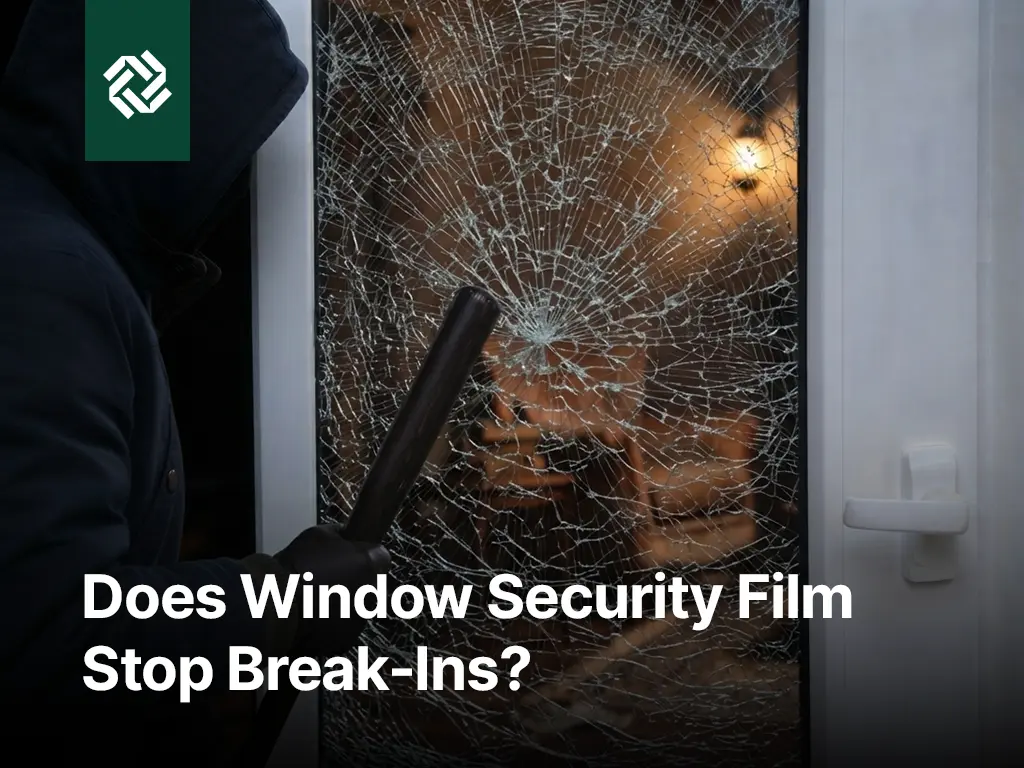
High-security films tested under ASTM F1233 & EN 356 standards resist repeated blunt-force attacks from crowbars, bats, and bricks for over 4-6 minutes.

No, but some films have scratch-resistant coatings that prevent minor damage.

No, shutters are removable and vulnerable to forced entry, while security films remain permanently bonded to glass.

Yes, multi-layer security films help protect storefronts from looting, vandalism, and forced entry.

Yes! While security films don’t make glass unbreakable, they hold shattered pieces in place, making forced entry significantly harder and delaying intruders.

Yes! Security films reinforce older windows, preventing breakage and shattering, but edge-retention systems may be needed for extra durability.

Yes, incorrect film selection on insulated, Low-E, or dual-pane glass can cause thermal fractures. Professional installers check:

  • Glass type & thickness
  • Absorption rates
  • Exterior heat exposure
  • 4-6 mil: Basic impact protection
  • 8-12 mil: Strong protection against forced entry and extreme weather
  • 15+ mil: High-security applications (blast resistance, anti-theft, riot protection)

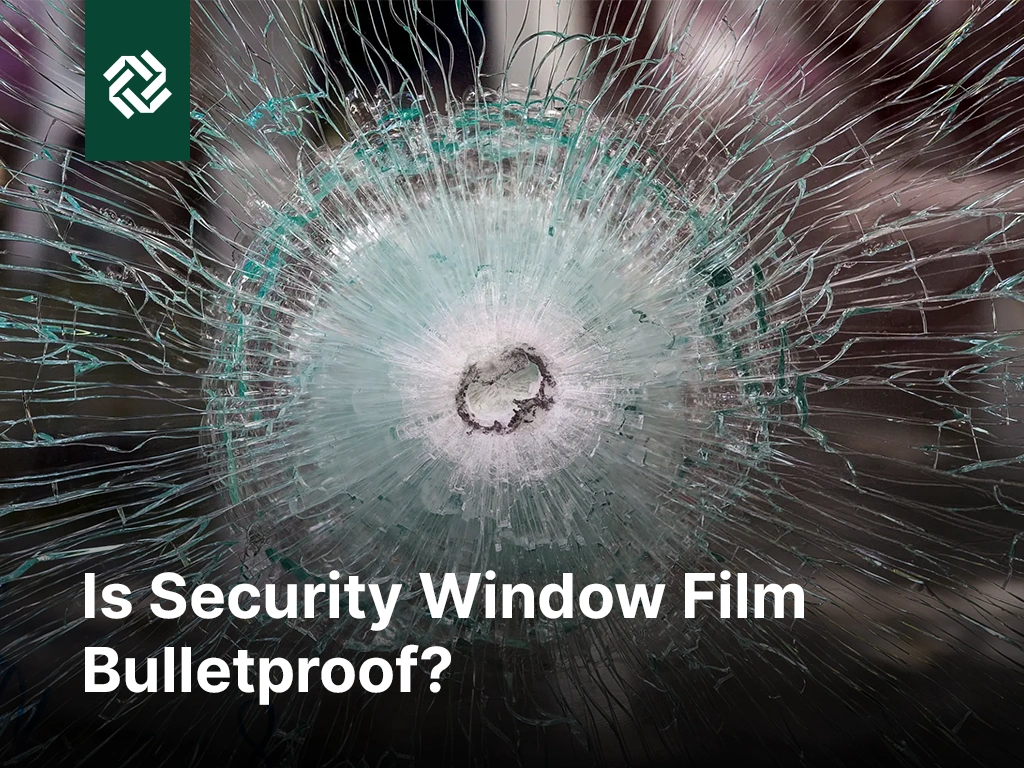
No, but they reduce spalling (glass fragmentation) and delay penetration, especially when combined with ballistic-rated polycarbonate glass.

Yes, but only non-metallic security films should be used to avoid interfering with electronic tinting technology.

Blog

Blog

Stay Updated

Let’s Explore What We Can Achieve Together!

By submitting the form you agree to The Lacuna LLC Terms & Conditions and Privacy Policy.