
Air Cool 80
LACUNA Air Cool 80 is a windshield film engineered with Sputtered Technology, incorporating ultra-thin layers of metal, including gold particles, for enhanced heat rejection and UV protection. This advanced construction effectively blocks harmful UV and IR rays, reducing solar heat gain and glare while maintaining exceptional optical clarity in all lighting conditions.
Designed to protect both passengers and the vehicle’s interior, it minimizes the risk of skin damage and prevents fading and deterioration of upholstery and dashboards. By significantly reducing glare, it enhances driving comfort, reduces eye strain, and ensures a clearer, more comfortable view of the road.
Air Cool 80
LACUNA Air Cool 80 is a windshield film engineered with Sputtered Technology, incorporating ultra-thin layers of metal, including gold particles, for enhanced heat rejection and UV protection. This advanced construction effectively blocks harmful UV and IR rays, reducing solar heat gain and glare while maintaining exceptional optical clarity in all lighting conditions.
Designed to protect both passengers and the vehicle’s interior, it minimizes the risk of skin damage and prevents fading and deterioration of upholstery and dashboards. By significantly reducing glare, it enhances driving comfort, reduces eye strain, and ensures a clearer, more comfortable view of the road.
Measurements
- Visible Light Transmitted (VLT): 73%
- Visible Light Reflected: 7%
- Glare Reduction: 18%
- U Factor: 1,02
- Solar Protection Factor (SPF): 1000+
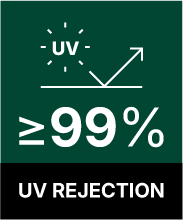
- UV Rejection: ≥99
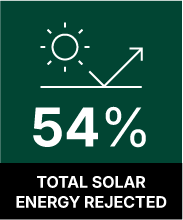
- Total Solar Energy Rejected (TSER): 54%
- IR Rejection: 73%
- Warranty: 10 Years
- Average Performance: 64%
Benefits
- Sputtered Technology For Maximum Insulation
- Maximum Heat Rejection
- Aesthetic Enhancement
- UV Protection
- Fade Resistance
- Enhanced Privacy
- Natural Blue Tone
- Signal Friendly
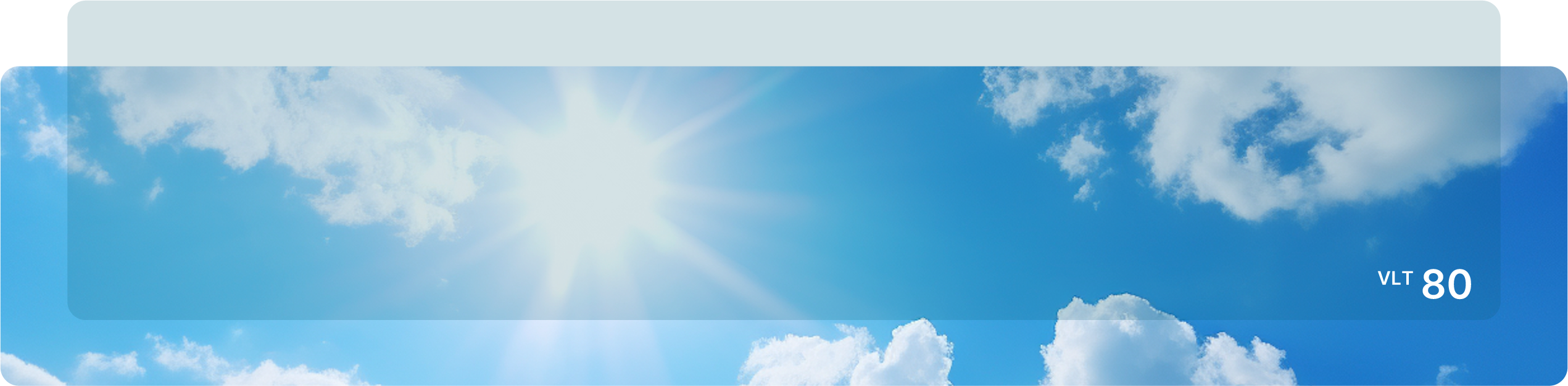
Measurements
- Visible Light Transmitted (VLT): 73%
- Visible Light Reflected: 7%
- Glare Reduction: 18%
- U Factor: 1,02
- Solar Protection Factor (SPF): 1000+
- UV Rejection: ≥99
- Total Solar Energy Rejected (TSER): 54%
- IR Rejection: 73%
- Warranty: 10 Years
- Average Performance: 64%
Benefits
- Sputtered Technology For Maximum Insulation
- Maximum Heat Rejection
- Aesthetic Enhancement
- UV Protection
- Fade Resistance
- Enhanced Privacy
- Natural Blue Tone
- Signal Friendly

Frequently Asked Questions
Blog
Ceramic vs. Carbon vs. Dyed Window Tint Which is Best for Your Vehicle?
When it comes to upgrading your driving experience, choosing the right window film is more than just a matter of[...]

PPF vs. Vinyl Wrap Which One Should You Get?
When it comes to enhancing or protecting your vehicle, you’ve likely encountered two popular options Paint Protection Film (PPF) and[...]
Office Building Security Window Film: A Comprehensive Guide for US Property Managers
In the United States, commercial property management requires a proactive approach to building resilience. From the high-rise office towers of[...]
Does UV Blocking Window Films Work?
When the summer sun hits, homeowners and building managers across the USA face the same dilemma: beautiful natural light versus[...]
2026 Guide Window Tinting Romania Laws & Regulations
Bucharest is known for its scorching summers. In 2026, applying high-quality automotive window tint has become an essential investment for[...]
Romania 2026 PPF Guide Everything You Need to Know About Paint Protection Film
In 2026, the demand for high-performance car PPF has reached new heights in Romania. For vehicle owners who prioritize long-term[...]
Blog
Ceramic vs. Carbon vs. Dyed Window Tint Which is Best for Your Vehicle?
When it comes to upgrading your driving experience, choosing the right window film is more than just a matter of[...]
PPF vs. Vinyl Wrap Which One Should You Get?
When it comes to enhancing or protecting your vehicle, you’ve likely encountered two popular options Paint Protection Film (PPF) and[...]
Office Building Security Window Film: A Comprehensive Guide for US Property Managers
In the United States, commercial property management requires a proactive approach to building resilience. From the high-rise office towers of[...]
Does UV Blocking Window Films Work?
When the summer sun hits, homeowners and building managers across the USA face the same dilemma: beautiful natural light versus[...]
2026 Guide Window Tinting Romania Laws & Regulations
Bucharest is known for its scorching summers. In 2026, applying high-quality automotive window tint has become an essential investment for[...]
Romania 2026 PPF Guide Everything You Need to Know About Paint Protection Film
In 2026, the demand for high-performance car PPF has reached new heights in Romania. For vehicle owners who prioritize long-term[...]
Stay Updated
Let’s Explore What We Can Achieve Together!
By submitting the form you agree to The Lacuna LLC Terms & Conditions and Privacy Policy.