Air Cool 80
LACUNA Air Cool 80 is a windshield film engineered with Sputtered Technology, incorporating ultra-thin layers of metal, including gold particles, for enhanced heat rejection and UV protection. This advanced construction effectively blocks harmful UV and IR rays, reducing solar heat gain and glare while maintaining exceptional optical clarity in all lighting conditions.
Designed to protect both passengers and the vehicle’s interior, it minimizes the risk of skin damage and prevents fading and deterioration of upholstery and dashboards. By significantly reducing glare, it enhances driving comfort, reduces eye strain, and ensures a clearer, more comfortable view of the road.
Air Cool 80
LACUNA Air Cool 80 is a windshield film engineered with Sputtered Technology, incorporating ultra-thin layers of metal, including gold particles, for enhanced heat rejection and UV protection. This advanced construction effectively blocks harmful UV and IR rays, reducing solar heat gain and glare while maintaining exceptional optical clarity in all lighting conditions.
Designed to protect both passengers and the vehicle’s interior, it minimizes the risk of skin damage and prevents fading and deterioration of upholstery and dashboards. By significantly reducing glare, it enhances driving comfort, reduces eye strain, and ensures a clearer, more comfortable view of the road.
Measurements
- Visible Light Transmitted (VLT): 73%
- Visible Light Reflected: 7%
- Glare Reduction: 18%
- U Factor: 1,02
- Solar Protection Factor (SPF): 1000+
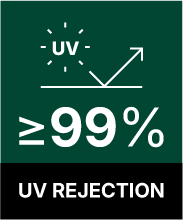
- UV Rejection: ≥99
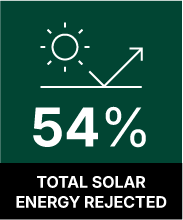
- Total Solar Energy Rejected (TSER): 54%
- IR Rejection: 73%
- Warranty: 10 Years
- Average Performance: 64%
Benefits
- Sputtered Technology For Maximum Insulation
- Maximum Heat Rejection
- Aesthetic Enhancement
- UV Protection
- Fade Resistance
- Enhanced Privacy
- Natural Blue Tone
- Signal Friendly
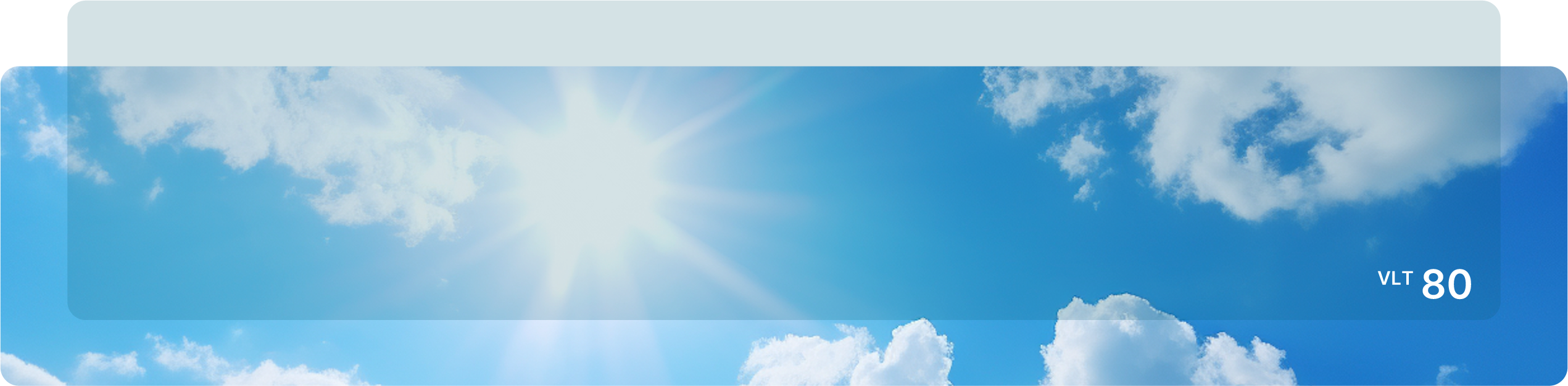
Measurements
- Visible Light Transmitted (VLT): 73%
- Visible Light Reflected: 7%
- Glare Reduction: 18%
- U Factor: 1,02
- Solar Protection Factor (SPF): 1000+
- UV Rejection: ≥99
- Total Solar Energy Rejected (TSER): 54%
- IR Rejection: 73%
- Warranty: 10 Years
- Average Performance: 64%
Benefits
- Sputtered Technology For Maximum Insulation
- Maximum Heat Rejection
- Aesthetic Enhancement
- UV Protection
- Fade Resistance
- Enhanced Privacy
- Natural Blue Tone
- Signal Friendly

Frequently Asked Questions
Blog
Romania 2026 PPF Guide Everything You Need to Know About Paint Protection Film
In 2026, the demand for high-performance car PPF has reached new heights in Romania. For vehicle owners who prioritize long-term[...]

Ghid 2026 Folie Geamuri Auto România – Legi și Top
Bucureștiul este cunoscut pentru verile sale toride, iar în 2026, aplicarea unei folii auto de calitate a devenit o investiție[...]

Ghid Complet PPF România 2026 Protecție Premium pentru Mașina Ta în București
În 2026, menținerea valorii de revânzare și a esteticii impecabile a unui vehicul pe drumurile din România nu mai este[...]
How to Remove Window Tint – Step-by-Step DIY Guide
Whether your vehicle's window tint has turned purple with age, started to bubble, or you're ready to upgrade to a[...]
Full Body PPF vs. Local PPF – Which is Better?
When you invest in a premium vehicle, the goal is to keep it looking showroom-new for as long as possible.[...]
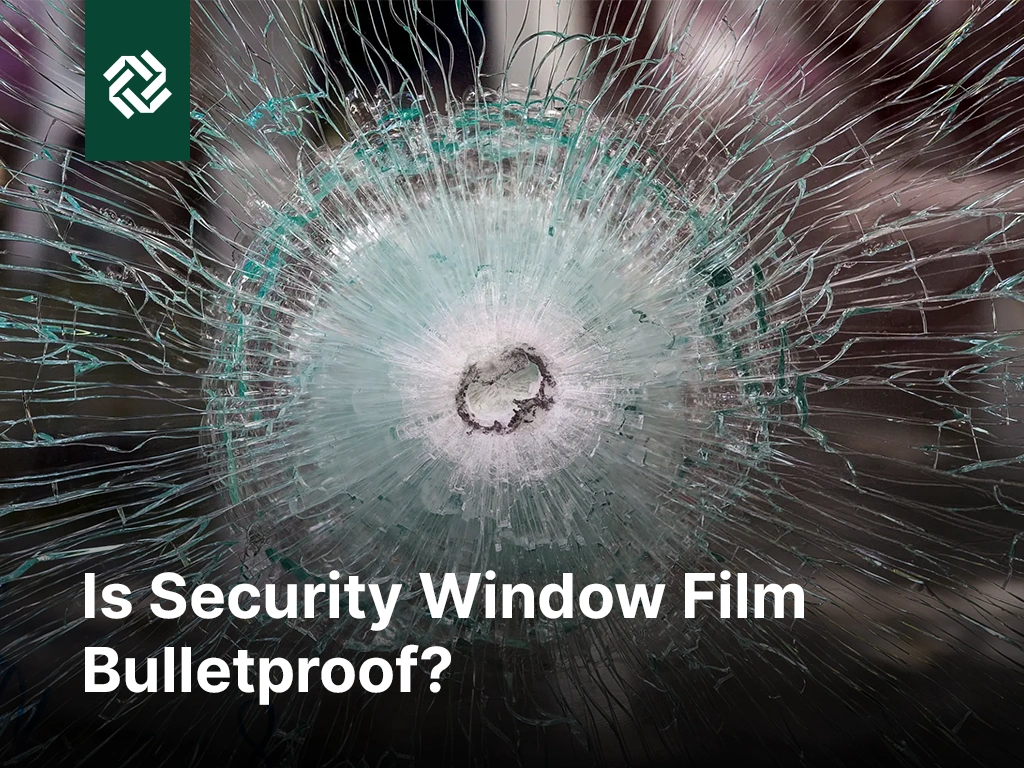
Is Security Window Film Bulletproof? The Real Answer
When it comes to upgrading building security, safety and security window film is often the first line of defense. However,[...]
Blog
Romania 2026 PPF Guide Everything You Need to Know About Paint Protection Film
In 2026, the demand for high-performance car PPF has reached new heights in Romania. For vehicle owners who prioritize long-term[...]
Ghid 2026 Folie Geamuri Auto România – Legi și Top
Bucureștiul este cunoscut pentru verile sale toride, iar în 2026, aplicarea unei folii auto de calitate a devenit o investiție[...]
Ghid Complet PPF România 2026 Protecție Premium pentru Mașina Ta în București
În 2026, menținerea valorii de revânzare și a esteticii impecabile a unui vehicul pe drumurile din România nu mai este[...]
How to Remove Window Tint – Step-by-Step DIY Guide
Whether your vehicle's window tint has turned purple with age, started to bubble, or you're ready to upgrade to a[...]
Full Body PPF vs. Local PPF – Which is Better?
When you invest in a premium vehicle, the goal is to keep it looking showroom-new for as long as possible.[...]
Is Security Window Film Bulletproof? The Real Answer
When it comes to upgrading building security, safety and security window film is often the first line of defense. However,[...]
Stay Updated
Let’s Explore What We Can Achieve Together!
By submitting the form you agree to The Lacuna LLC Terms & Conditions and Privacy Policy.