

Eye Comfort
LACUNA Eye Comfort window film is specifically designed to reduce eye strain and enhance visual comfort. Unlike conventional films, it helps minimize eye fatigue during prolonged use, making it ideal for frequent drivers and light-sensitive individuals.
This film significantly reduces glare from oncoming headlights during night drives, enhancing visibility and providing a safer driving experience. Its anti-glare and high-transparency properties improve night vision quality, ensuring greater comfort and reduced strain on the eyes.
Perfect for drivers who frequently travel at night or those sensitive to bright white lights, this film offers an ideal balance of safety and comfort.


Measurements
- Visible Light Transmitted (VLT): 50%
- Visible Light Reflected: 32%
- Glare Reduction: 84%
- U Factor: 1,02
- Solar Protection Factor (SPF): 1000+
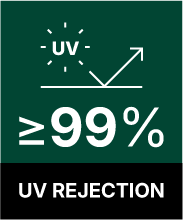
- UV Rejection: ≥99
- Total Solar Energy Rejected (TSER): 68%
- IR Rejection: 90%
- Warranty: 15 Years
- Average Performance: 82%
Benefits
- Eye Comfort Technology to Enhance Visual Comfort
- Effective Heat Rejection
- Aesthetic Enhancement
- UV Protection
- Fade Resistance
- Enhanced Privacy
- Signal Friendly

Eye Comfort
LACUNA Eye Comfort window film is specifically designed to reduce eye strain and enhance visual comfort. Unlike conventional films, it helps minimize eye fatigue during prolonged use, making it ideal for frequent drivers and light-sensitive individuals.
This film significantly reduces glare from oncoming headlights during night drives, enhancing visibility and providing a safer driving experience. Its anti-glare and high-transparency properties improve night vision quality, ensuring greater comfort and reduced strain on the eyes.
Perfect for drivers who frequently travel at night or those sensitive to bright white lights, this film offers an ideal balance of safety and comfort.
Measurements
- Visible Light Transmitted (VLT): 50%
- Visible Light Reflected: 32%
- Glare Reduction: 84%
- U Factor: 1,02
- Solar Protection Factor (SPF): 1000+
- UV Rejection: ≥99
- Total Solar Energy Rejected (TSER): 68%
- IR Rejection: 90%
- Warranty: 15 Years
- Average Performance: 82%
Benefits
- Eye Comfort Technology to Enhance Visual Comfort
- Effective Heat Rejection
- Aesthetic Enhancement
- UV Protection
- Fade Resistance
- Enhanced Privacy
- Signal Friendly

Frequently Asked Questions
Blog

Velarium PPF is revolutionizing vehicle glass care by merging advanced paint protection film and window film technologies into a single[...]
Most drivers assume that once they step into their vehicle, roll up the windows, and turn on the air conditioning,[...]
Two window films can look almost identical from the outside and perform very differently once the sun hits the glass.[...]

Choosing the right window tint is about more than deciding how dark you want your car windows to look. Different[...]
When you step into your car on a sunny afternoon, you might be thinking about the heat. However, there’s a[...]

For Tesla owners, driving an electric vehicle is an unparalleled experience of technology, performance, and minimalist design. However, there is[...]
Blog
-
Velarium PPF is revolutionizing vehicle glass care by merging advanced paint protection film and window film technologies into a single[...]
-
Most drivers assume that once they step into their vehicle, roll up the windows, and turn on the air conditioning,[...]
-
Two window films can look almost identical from the outside and perform very differently once the sun hits the glass.[...]
-
Choosing the right window tint is about more than deciding how dark you want your car windows to look. Different[...]
-
When you step into your car on a sunny afternoon, you might be thinking about the heat. However, there’s a[...]
-
For Tesla owners, driving an electric vehicle is an unparalleled experience of technology, performance, and minimalist design. However, there is[...]
Stay Updated
Let’s Explore What We Can Achieve Together!
By submitting the form you agree to The Lacuna LLC Terms & Conditions and Privacy Policy.