Full Metal Mirror

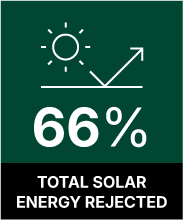
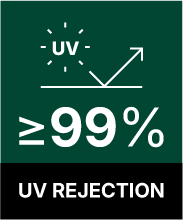
LACUNA Full Metal Mirror is a metalized window film that utilizes Full Metal Technology to provide a highly reflective, mirrored finish. This film enhances privacy, improves aesthetics, and delivers superior heat rejection by reflecting solar energy away from the vehicle.
Engineered to block UV and IR rays, it helps maintain a cooler interior while protecting passengers and preventing upholstery deterioration. Its reflective surface also minimizes glare, improving visibility and ensuring a more comfortable and safer driving experience.
Full Metal Mirror
LACUNA Full Metal Mirror is a metalized window film that utilizes Full Metal Technology to provide a highly reflective, mirrored finish. This film enhances privacy, improves aesthetics, and delivers superior heat rejection by reflecting solar energy away from the vehicle.
Engineered to block UV and IR rays, it helps maintain a cooler interior while protecting passengers and preventing upholstery deterioration. Its reflective surface also minimizes glare, improving visibility and ensuring a more comfortable and safer driving experience.
Measurements
Benefits
- Full Metal Technology for Increased Insulation
- Effective Heat Rejection
- Aesthetic Enhancement
- UV Protection
- Fade Resistance
- Enhanced Privacy
- Metal Mirror Effect


Measurements
Benefits
- Full Metal Technology for Increased Insulation
- Effective Heat Rejection
- Aesthetic Enhancement
- UV Protection
- Fade Resistance
- Enhanced Privacy
- Metal Mirror Effect

Frequently Asked Questions
Blog

Which Privacy Window Film Provides Best Seclusion for Homes?
In 2026, home and office designs are leaning heavily into glass-centric modern architecture. However, with more glass comes the need[...]

Best Car Tint for You? 5%, 20%, 35% vs 70% Compared
Choosing the right window tint levels for your vehicle can be confusing. Whether you are looking for maximum privacy with[...]
PPF vs. Ceramic Coating? Which One Actually Protects Your Car?
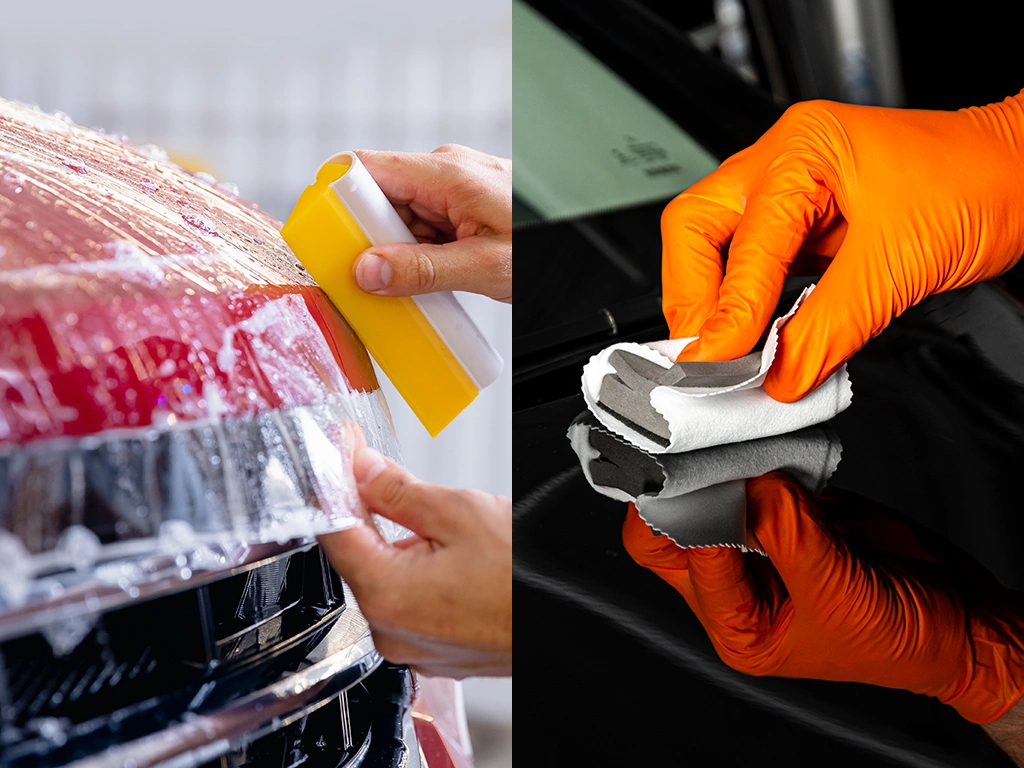
That heart-sinking tick of a pebble hitting your brand-new bumper is a sound every car owner dreads. You’ve invested in[...]
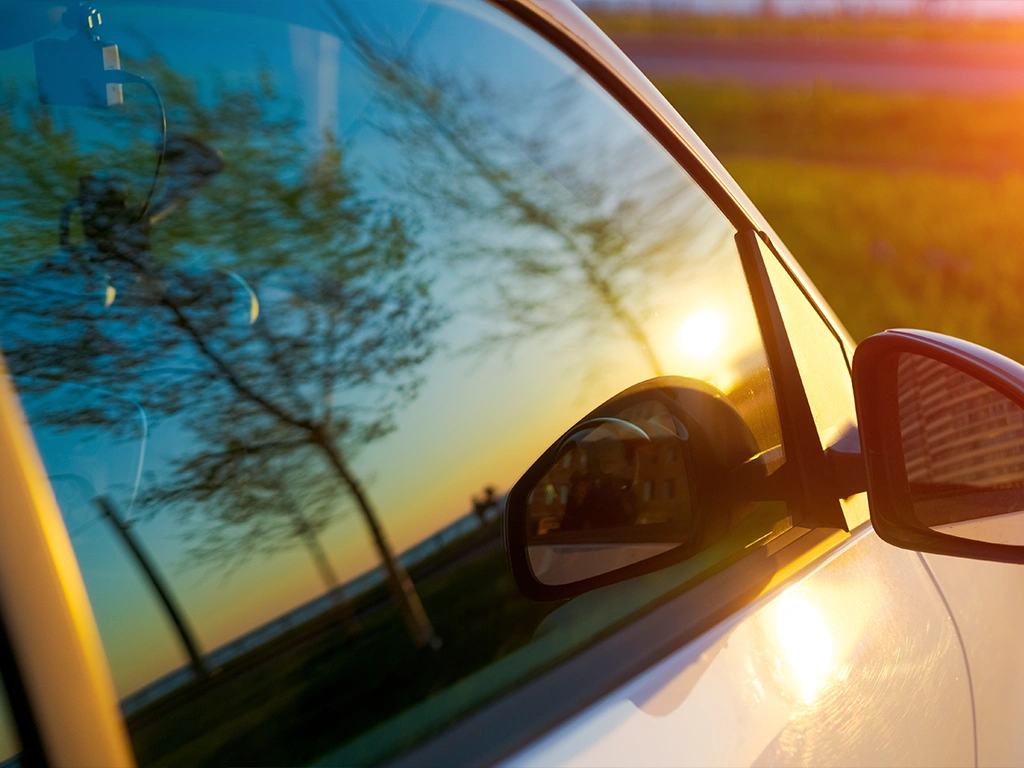
What is the Legal Percentage of Window Tint? 2026 Major States Guide
Why Window Tint Laws Matter in 2026 If you have ever stepped into a car that has been sitting under[...]
What is Car Detailing? The Ultimate Guide to PPF Aftercare
Many car owners believe car detailing is simply a deep cleaning. However, at Lacuna USA, detailing is a preservation science.[...]

How Much Does PPF Cost in 2026? Full Breakdown by Package
When you invest in a new vehicle, the first question is usually: "how much does it cost to wrap a[...]
Blog
Which Privacy Window Film Provides Best Seclusion for Homes?
In 2026, home and office designs are leaning heavily into glass-centric modern architecture. However, with more glass comes the need[...]
Best Car Tint for You? 5%, 20%, 35% vs 70% Compared
Choosing the right window tint levels for your vehicle can be confusing. Whether you are looking for maximum privacy with[...]
PPF vs. Ceramic Coating? Which One Actually Protects Your Car?
That heart-sinking tick of a pebble hitting your brand-new bumper is a sound every car owner dreads. You’ve invested in[...]
What is the Legal Percentage of Window Tint? 2026 Major States Guide
Why Window Tint Laws Matter in 2026 If you have ever stepped into a car that has been sitting under[...]
What is Car Detailing? The Ultimate Guide to PPF Aftercare
Many car owners believe car detailing is simply a deep cleaning. However, at Lacuna USA, detailing is a preservation science.[...]
How Much Does PPF Cost in 2026? Full Breakdown by Package
When you invest in a new vehicle, the first question is usually: "how much does it cost to wrap a[...]
Stay Updated
Let’s Explore What We Can Achieve Together!
By submitting the form you agree to The Lacuna LLC Terms & Conditions and Privacy Policy.