
Nano Ceramic Eco

LACUNA Ceramic ECO window film offers a balanced blend of performance and affordability, built on reliable nano-ceramic technology. Designed to reduce cabin heat and enhance comfort, it provides effective thermal control for everyday driving without compromising clarity or aesthetics.

By filtering out a substantial portion of UV and infrared rays, Ceramic ECO helps guard against sun-related wear and contributes to a more enjoyable ride, all while supporting energy efficiency and visual comfort on the road.
Measurements

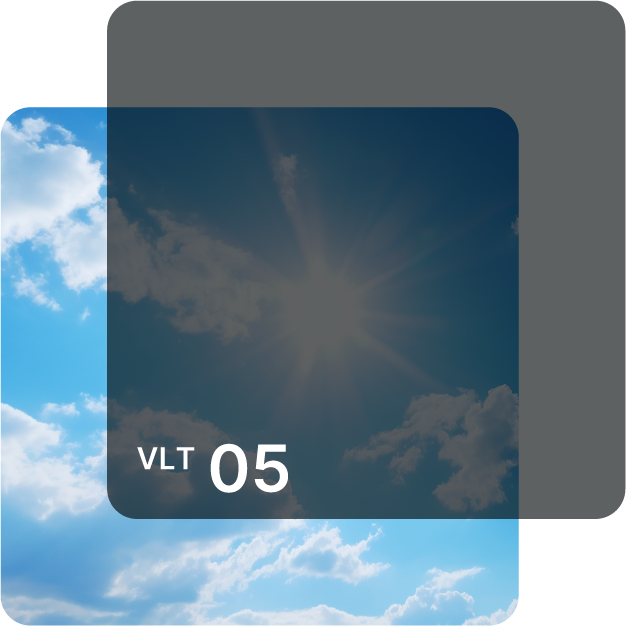
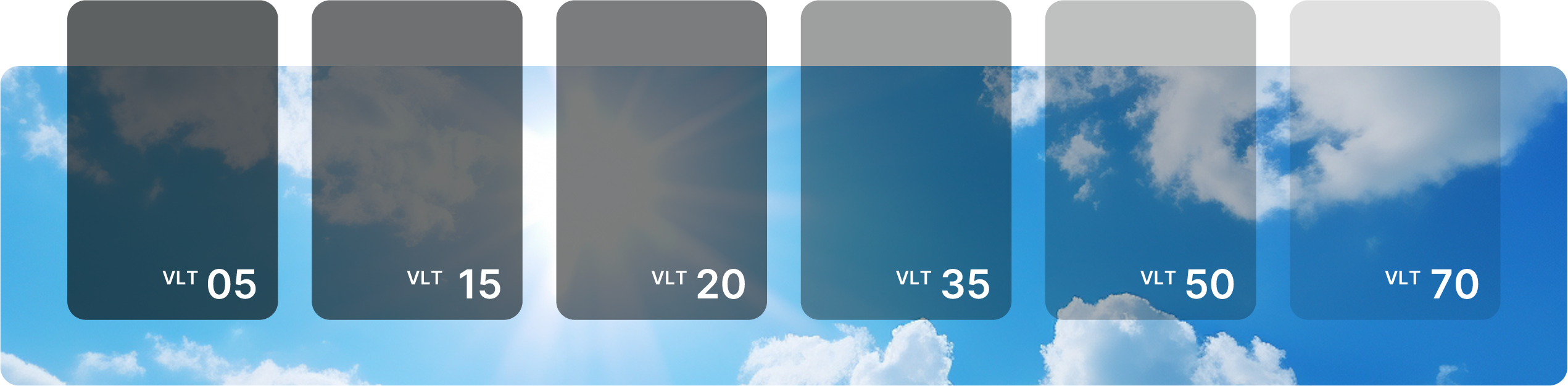
  • Visible Light Transmitted (VLT): 6%
  • Visible Light Reflected: 5%
  • Glare Reduction: 94%
  • U Factor: 1,01
  • Solar Protection Factor (SPF): 1000+
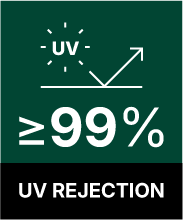
  • UV Rejection: ≥99
  • Total Solar Energy Rejected (TSER): 75%
  • IR Rejection: 84%
  • Warranty: 10 Years
  • Average Performance: 71%
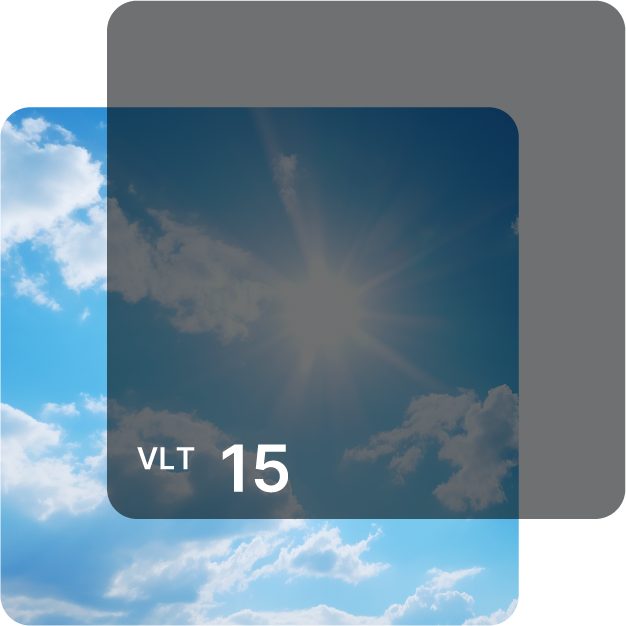
  • Visible Light Transmitted (VLT): 14%
  • Visible Light Reflected: 5%
  • Glare Reduction: 83%
  • U Factor: 1,01
  • Solar Protection Factor (SPF): 1000+
  • UV Rejection: ≥99
  • Total Solar Energy Rejected (TSER): 71%
  • IR Rejection: 80%
  • Warranty: 10 Years
  • Average Performance: 71%
  • Visible Light Transmitted (VLT): 20%
  • Visible Light Reflected: 6%
  • Glare Reduction: 75%
  • U Factor: 1,01
  • Solar Protection Factor (SPF): 1000+
  • UV Rejection: ≥99
  • Total Solar Energy Rejected (TSER): 65%
  • IR Rejection: 77%
  • Warranty: 10 Years
  • Average Performance: 71%
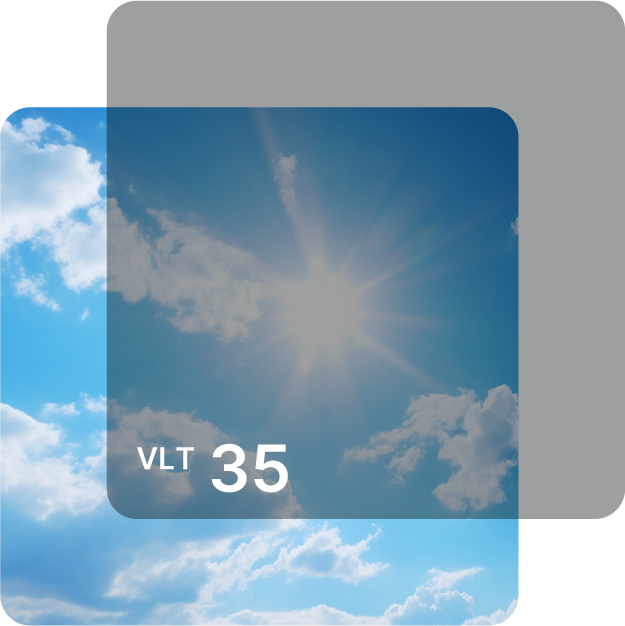
  • Visible Light Transmitted (VLT): 31%
  • Visible Light Reflected: 6%
  • Glare Reduction: 61%
  • U Factor: 1,02
  • Solar Protection Factor (SPF): 1000+
  • UV Rejection: ≥99
  • Total Solar Energy Rejected (TSER): 60%
  • IR Rejection: 70%
  • Warranty: 10 Years
  • Average Performance: 71%
  • Visible Light Transmitted (VLT): 47%
  • Visible Light Reflected: 7%
  • Glare Reduction: 39%
  • U Factor: 1,02
  • Solar Protection Factor (SPF): 1000+
  • UV Rejection: ≥99
  • Total Solar Energy Rejected (TSER): 54%
  • IR Rejection: 68%
  • Warranty: 10 Years
  • Average Performance: 71%
  • Visible Light Transmitted (VLT): 75%
  • Visible Light Reflected: 7%
  • Glare Reduction: 18%
  • U Factor: 1,02
  • Solar Protection Factor (SPF): 1000+
  • UV Rejection: ≥99
  • Total Solar Energy Rejected (TSER): 50%
  • IR Rejection: 70%
  • Warranty: 10 Years
  • Average Performance: 71%

Benefits

  1. Nano Ceramic Technology For Advanced Insulation
  2. Effective Heat Rejection
  3. Aesthetic Enhancement
  4. UV Protection
  5. Fade Resistance
  6. Enhanced Privacy
  7. Signal Friendly

Nano Ceramic Eco

LACUNA Ceramic ECO window film offers a balanced blend of performance and affordability, built on reliable nano-ceramic technology. Designed to reduce cabin heat and enhance comfort, it provides effective thermal control for everyday driving without compromising clarity or aesthetics.

By filtering out a substantial portion of UV and infrared rays, Ceramic ECO helps guard against sun-related wear and contributes to a more enjoyable ride, all while supporting energy efficiency and visual comfort on the road.
Measurements

  • Visible Light Transmitted (VLT): 6%
  • Visible Light Reflected: 5%
  • Glare Reduction: 94%
  • U Factor: 1,01
  • Solar Protection Factor (SPF): 1000+
  • UV Rejection: ≥99
  • Total Solar Energy Rejected (TSER): 75%
  • IR Rejection: 84%
  • Warranty: 10 Years
  • Average Performance: 71%
  • Visible Light Transmitted (VLT): 14%
  • Visible Light Reflected: 5%
  • Glare Reduction: 83%
  • U Factor: 1,01
  • Solar Protection Factor (SPF): 1000+
  • UV Rejection: ≥99
  • Total Solar Energy Rejected (TSER): 71%
  • IR Rejection: 80%
  • Warranty: 10 Years
  • Average Performance: 71%
  • Visible Light Transmitted (VLT): 20%
  • Visible Light Reflected: 6%
  • Glare Reduction: 75%
  • U Factor: 1,01
  • Solar Protection Factor (SPF): 1000+
  • UV Rejection: ≥99
  • Total Solar Energy Rejected (TSER): 65%
  • IR Rejection: 77%
  • Warranty: 10 Years
  • Average Performance: 71%
  • Visible Light Transmitted (VLT): 31%
  • Visible Light Reflected: 6%
  • Glare Reduction: 61%
  • U Factor: 1,02
  • Solar Protection Factor (SPF): 1000+
  • UV Rejection: ≥99
  • Total Solar Energy Rejected (TSER): 60%
  • IR Rejection: 70%
  • Warranty: 10 Years
  • Average Performance: 71%
  • Visible Light Transmitted (VLT): 47%
  • Visible Light Reflected: 7%
  • Glare Reduction: 39%
  • U Factor: 1,02
  • Solar Protection Factor (SPF): 1000+
  • UV Rejection: ≥99
  • Total Solar Energy Rejected (TSER): 54%
  • IR Rejection: 68%
  • Warranty: 10 Years
  • Average Performance: 71%
  • Visible Light Transmitted (VLT): 75%
  • Visible Light Reflected: 7%
  • Glare Reduction: 18%
  • U Factor: 1,02
  • Solar Protection Factor (SPF): 1000+
  • UV Rejection: ≥99
  • Total Solar Energy Rejected (TSER): 50%
  • IR Rejection: 70%
  • Warranty: 10 Years
  • Average Performance: 71%

Benefits

  1. Nano Ceramic Technology For Advanced Insulation
  2. Effective Heat Rejection
  3. Aesthetic Enhancement
  4. UV Protection
  5. Fade Resistance
  6. Enhanced Privacy
  7. Signal Friendly

Frequently Asked Questions

Yes, anti-glare window films filter out excessive brightness, improving nighttime driving visibility and reducing eye strain.

Yes, vehicles with ADAS (Advanced Driver Assistance Systems) need non-metallic films to prevent interference with cameras, radar, and sensors.

Yes, high-quality window films enhance the sleek, premium look of a vehicle while adding practical benefits like UV protection and privacy.

It’s not recommended as layering films can cause bubbling, peeling, and reduced clarity. If tint needs replacement, old films should be professionally removed first.

Yes, but sunroof films must withstand higher heat exposure. A ceramic-based film is recommended to prevent overheating and cracking.

Automotive window films block 99% of UV rays, preventing dashboard cracking, upholstery fading, and leather deterioration, extending the lifespan of interior materials.

Yes, colored and gradient tints are available for a custom aesthetic, though legality depends on local regulations.

Yes, photochromic window films adjust tint darkness automatically based on UV exposure, providing dynamic shading depending on daylight intensity.

Low-quality dyed films fade with prolonged sun exposure, while ceramic and carbon-based films retain color for the lifetime of the vehicle.

High-quality films retain interior warmth by reducing heat loss through windows, making the car warmer in cold weather and improving energy efficiency.

Yes, clear heat-rejecting films use spectrally selective technology to block infrared heat and UV rays while maintaining full visibility, making them ideal for windshields and vehicles with strict tint laws.

Yes! Infrared-blocking window films help retain cabin warmth by reducing heat loss through glass, improving comfort in cold climates.

No, but security films strengthen the glass, making it harder to shatter and delaying forced entry attempts.

Yes, anti-glare films reduce screen reflections and distracting sun flares, helping drivers stay focused on the road.

Darker tints offer more privacy but not necessarily better heat rejection. Ceramic and infrared films provide superior heat blocking even with lighter shades.

Blog

Blog

Stay Updated

Let’s Explore What We Can Achieve Together!

By submitting the form you agree to The Lacuna LLC Terms & Conditions and Privacy Policy.