
img-1
img-2
img-3

Premium Selective

img-4
img-5

LACUNA Premium Selective is an advanced automotive window film engineered with Sputtered Technology, incorporating ultra-thin layers of metal, including gold particles, for enhanced heat rejection and UV protection. This innovative composition enhances the film’s ability to reflect harmful solar rays rather than simply absorbing them, setting it apart from conventional window films.

By effectively blocking UV, infrared, and solar heat, LACUNA Premium Selective minimizes interior heat buildup, ensuring a cooler and more comfortable cabin environment. Its reflective properties also help protect passengers and prevent interior fading, delivering both functional and aesthetic benefits.
img-6

Premium Selective

LACUNA Premium Selective is an advanced automotive window film engineered with Sputtered Technology, incorporating ultra-thin layers of metal, including gold particles, for enhanced heat rejection and UV protection. This innovative composition enhances the film’s ability to reflect harmful solar rays rather than simply absorbing them, setting it apart from conventional window films.

By effectively blocking UV, infrared, and solar heat, LACUNA Premium Selective minimizes interior heat buildup, ensuring a cooler and more comfortable cabin environment. Its reflective properties also help protect passengers and prevent interior fading, delivering both functional and aesthetic benefits.

img-7
img-8
img-9

Measurements

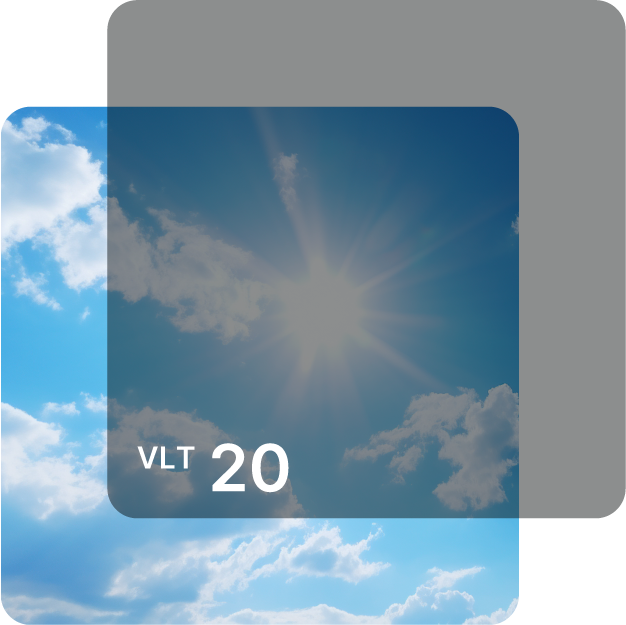
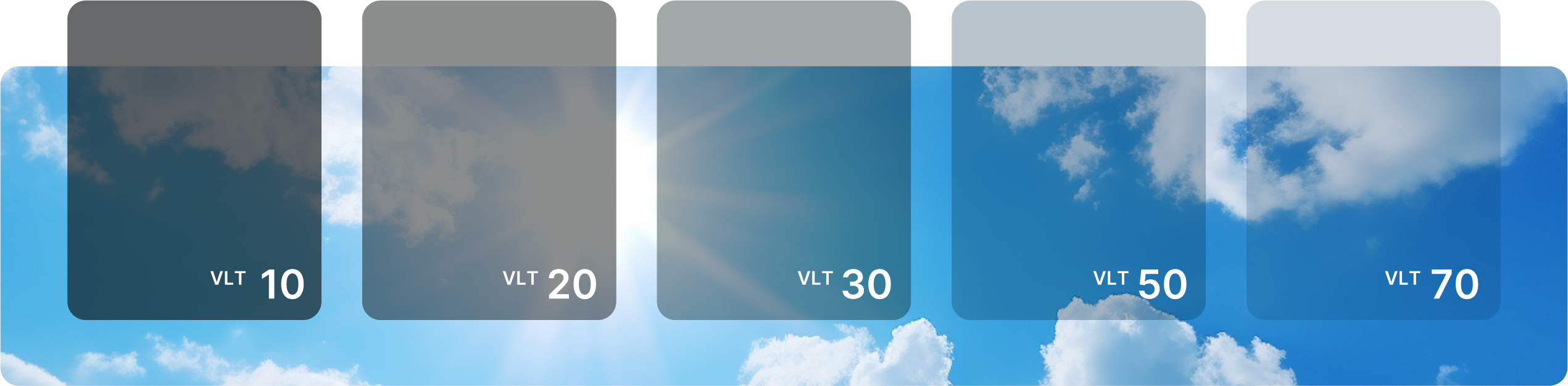
  • Visible Light Transmitted (VLT): 10%
  • Visible Light Reflected: 5%
  • Glare Reduction: 95%
  • U Factor: 1,01
  • Solar Protection Factor (SPF): 1000+
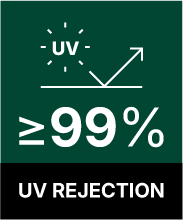
  • UV Rejection: ≥99
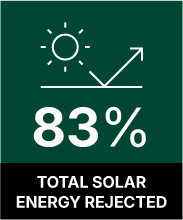
  • Total Solar Energy Rejected (TSER): 83%
  • IR Rejection: 94%
  • Warranty: 15 Years
  • Average Performance: 83%
  • Visible Light Transmitted (VLT): 20%
  • Visible Light Reflected: 5%
  • Glare Reduction: 78%
  • U Factor: 1,01
  • Solar Protection Factor (SPF): 1000+
  • UV Rejection: ≥99
  • Total Solar Energy Rejected (TSER): 78%
  • IR Rejection: 91%
  • Warranty: 15 Years
  • Average Performance: %83
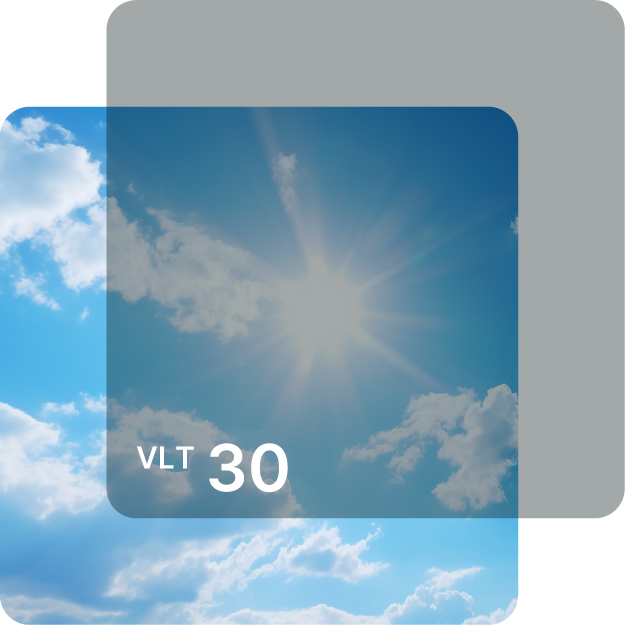
  • Visible Light Transmitted (VLT): 30%
  • Visible Light Reflected: 5%
  • Glare Reduction: 63%
  • U Factor: 1,01
  • Solar Protection Factor (SPF): 1000+
  • UV Rejection: ≥99
  • Total Solar Energy Rejected (TSER): 73%
  • IR Rejection: 89%
  • Warranty: 15 Years
  • Average Performance: 83%
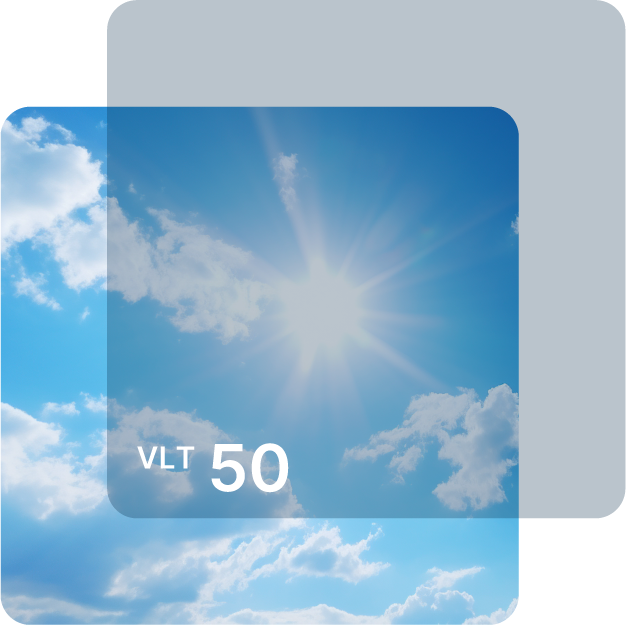
  • Visible Light Transmitted (VLT): 50%
  • Visible Light Reflected: 6%
  • Glare Reduction: 44%
  • U Factor: 1,01
  • Solar Protection Factor (SPF): 1000+
  • UV Rejection: ≥99
  • Total Solar Energy Rejected (TSER): 63%
  • IR Rejection: 88%
  • Warranty: 15 Years
  • Average Performance: 83
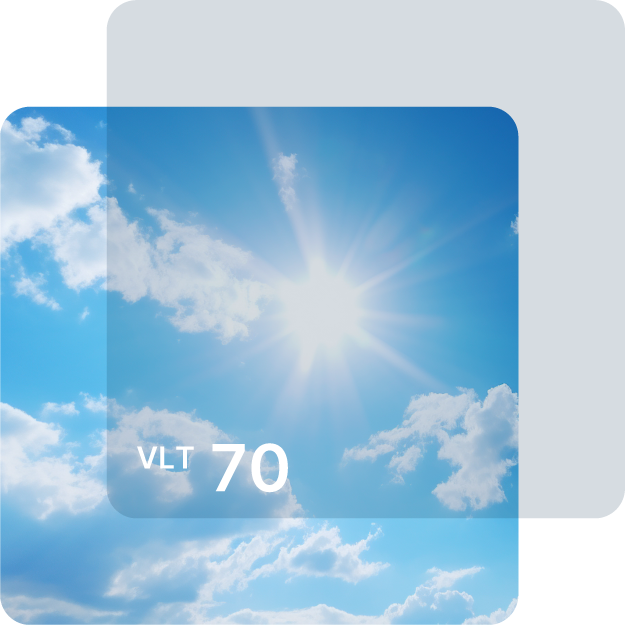
  • Visible Light Transmitted (VLT): 66%
  • Visible Light Reflected: 6%
  • Glare Reduction: 40%
  • U Factor: 1,01
  • Solar Protection Factor (SPF): 1000+
  • UV Rejection: ≥99
  • Total Solar Energy Rejected (TSER): 59%
  • IR Rejection: 87%
  • Warranty: 15 Years
  • Average Performance: 83%

Benefits

  1. Sputtered Technology For Maximum Insulation
  2. Maximum Heat Rejection
  3. Aesthetic Enhancement
  4. UV Protection
  5. Fade Resistance
  6. Enhanced Privacy
  7. Natural Grey Tone
  8. Signal Friendly
  • img-10
  • img-11
  • img-12
  • img-13
  • img-14

Measurements

  • Visible Light Transmitted (VLT): 10%
  • Visible Light Reflected: 5%
  • Glare Reduction: 95%
  • U Factor: 1,01
  • Solar Protection Factor (SPF): 1000+
  • UV Rejection: ≥99
  • Total Solar Energy Rejected (TSER): 83%
  • IR Rejection: 94%
  • Warranty: 15 Years
  • Average Performance: 83%
  • Visible Light Transmitted (VLT): 20%
  • Visible Light Reflected: 5%
  • Glare Reduction: 78%
  • U Factor: 1,01
  • Solar Protection Factor (SPF): 1000+
  • UV Rejection: ≥99
  • Total Solar Energy Rejected (TSER): 78%
  • IR Rejection: 91%
  • Warranty: 15 Years
  • Average Performance: %83
  • Visible Light Transmitted (VLT): 30%
  • Visible Light Reflected: 5%
  • Glare Reduction: 63%
  • U Factor: 1,01
  • Solar Protection Factor (SPF): 1000+
  • UV Rejection: ≥99
  • Total Solar Energy Rejected (TSER): 73%
  • IR Rejection: 89%
  • Warranty: 15 Years
  • Average Performance: 83%
  • Visible Light Transmitted (VLT): 50%
  • Visible Light Reflected: 6%
  • Glare Reduction: 44%
  • U Factor: 1,01
  • Solar Protection Factor (SPF): 1000+
  • UV Rejection: ≥99
  • Total Solar Energy Rejected (TSER): 63%
  • IR Rejection: 88%
  • Warranty: 15 Years
  • Average Performance: 83
  • Visible Light Transmitted (VLT): 66%
  • Visible Light Reflected: 6%
  • Glare Reduction: 40%
  • U Factor: 1,01
  • Solar Protection Factor (SPF): 1000+
  • UV Rejection: ≥99
  • Total Solar Energy Rejected (TSER): 59%
  • IR Rejection: 87%
  • Warranty: 15 Years
  • Average Performance: 83%

Benefits

  1. Sputtered Technology For Maximum Insulation
  2. Maximum Heat Rejection
  3. Aesthetic Enhancement
  4. UV Protection
  5. Fade Resistance
  6. Enhanced Privacy
  7. Natural Grey Tone
  8. Signal Friendly
img-15

Frequently Asked Questions

Yes, some modern films are made with sustainable, non-toxic materials and biodegradable coatings, reducing environmental impact.

Yes, but it’s recommended to wait 48-72 hours after installation to allow the adhesive to cure properly and prevent peeling.

Yes, anti-glare films reduce screen reflections and distracting sun flares, helping drivers stay focused on the road.

Low-quality dyed films fade with prolonged sun exposure, while ceramic and carbon-based films retain color for the lifetime of the vehicle.

Yes! Infrared-blocking window films help retain cabin warmth by reducing heat loss through glass, improving comfort in cold climates.

Some regions allow medical exemptions for individuals with light sensitivity or skin conditions that require additional UV protection.

Yes, light-filtering tints with specific blue-light reduction coatings can reduce headlight glare from oncoming traffic, enhancing night-driving comfort.

Yes, high-quality window films enhance the sleek, premium look of a vehicle while adding practical benefits like UV protection and privacy.

High-quality films retain interior warmth by reducing heat loss through windows, making the car warmer in cold weather and improving energy efficiency.

You may face fines, vehicle inspections, or be required to remove the tint if it doesn’t meet legal standards.

No, but some anti-scratch coatings help films last longer by resisting minor abrasions and swirl marks.

Yes, some metallic or reflective films can interfere with LiDAR, radar, and night-vision cameras in self-driving or ADAS-equipped cars. Ceramic window films are recommended to prevent signal disruption.

Yes! By reducing interior temperatures, window films decrease air conditioning usage, leading to lower fuel consumption, especially in hot climates.

Yes, glare-reducing tints help improve screen readability on digital clusters, infotainment systems, and heads-up displays (HUDs) by minimizing reflection and excessive light exposure.

Metallic-based films may slightly affect radiofrequency signals, but ceramic films are signal-friendly, making them the best option for modern vehicles.

Blog

  • How Long Does PPF Last

How Long Does PPF Last?

06/10/2026|

Investing in Paint Protection Film (PPF), often called a "clear bra," is one of the best decisions you can make[...]

Blog

How Long Does PPF Last?

06/10/2026|

Investing in Paint Protection Film (PPF), often called a "clear bra," is one of the best decisions you can make[...]

Stay Updated

Let’s Explore What We Can Achieve Together!

By submitting the form you agree to The Lacuna LLC Terms & Conditions and Privacy Policy.