
Shield
LACUNA Shield is an optical-grade exterior windshield protection film designed to shield windshields from chips, cracks, and road debris. Its durable and impact-resistant composition helps extend the lifespan of windshields, reducing the need for costly replacements while maintaining optical clarity and driving visibility.
Measurements
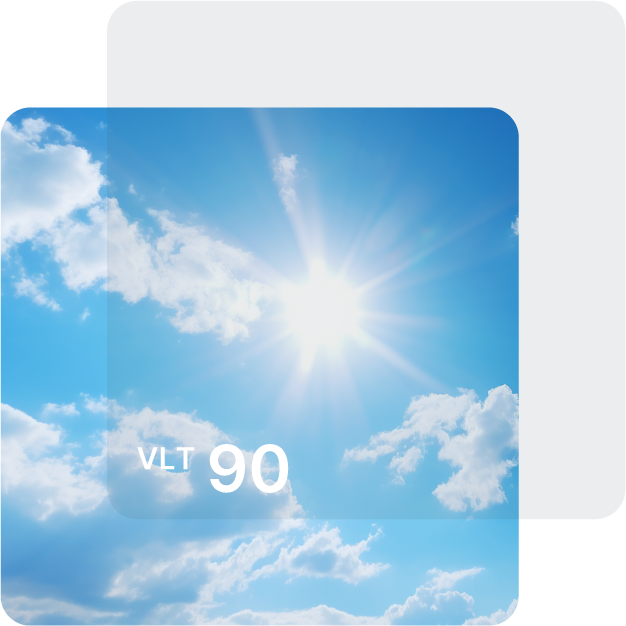
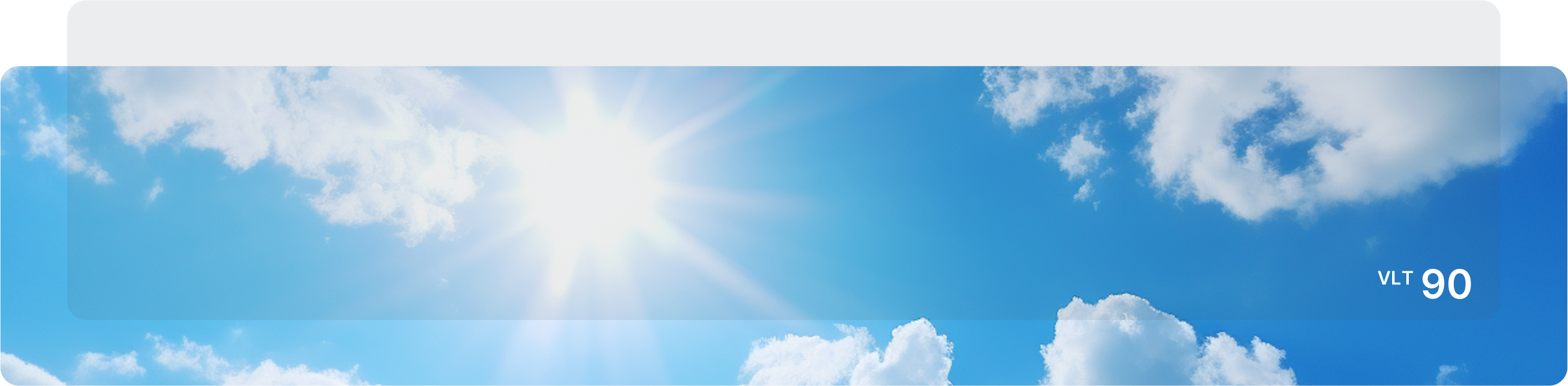
- Visible Light Transmitted (VLT): 88%
- Visible Light Reflected: 10%
- Solar Protection Factor (SPF): –
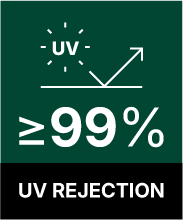
- UV Rejection: ≥99
- Total Solar Energy Rejected (TSER): 18%
- IR Rejection: 23%
- Warranty: 1 Years
- Average Performance: –
Benefits
- Exterior Windshield Protection
- Optical Clarity
- Enhanced Safety for Windshields
Shield
LACUNA Shield is an optical-grade exterior windshield protection film designed to shield windshields from chips, cracks, and road debris. Its durable and impact-resistant composition helps extend the lifespan of windshields, reducing the need for costly replacements while maintaining optical clarity and driving visibility.
Measurements
- Visible Light Transmitted (VLT): 88%
- Visible Light Reflected: 10%
- Solar Protection Factor (SPF): –
- UV Rejection: ≥99
- Total Solar Energy Rejected (TSER): 18%
- IR Rejection: 23%
- Warranty: 1 Years
- Average Performance: –
Benefits
- Exterior Windshield Protection
- Optical Clarity
- Enhanced Safety for Windshields
Frequently Asked Questions
Blog
How Long Does PPF Last?
Investing in Paint Protection Film (PPF), often called a "clear bra," is one of the best decisions you can make[...]

How to Remove Stains from PPF Coating?
You've had Paint Protection Film (PPF) applied to your vehicle to protect it from stone chips, scratches, and other external[...]

Is Window Tinting Worth It?
When you drive a brand-new car off the lot or look for ways to upgrade your current ride, one question[...]

Bird Friendly Window Film Protecting Wildlife
Modern architecture relies heavily on glass to create stunning aesthetics, maximize natural light, and offer breathtaking views. However, this design[...]
One Way Window Film How does it Actually Work?
Achieving the perfect balance between enjoying natural sunlight and maintaining indoor privacy is a common architectural challenge. Whether you are[...]
Ceramic vs. Carbon vs. Dyed Window Tint Which is Best for Your Vehicle?
When it comes to upgrading your driving experience, choosing the right window film is more than just a matter of[...]
Blog
How Long Does PPF Last?
Investing in Paint Protection Film (PPF), often called a "clear bra," is one of the best decisions you can make[...]
How to Remove Stains from PPF Coating?
You've had Paint Protection Film (PPF) applied to your vehicle to protect it from stone chips, scratches, and other external[...]
Is Window Tinting Worth It?
When you drive a brand-new car off the lot or look for ways to upgrade your current ride, one question[...]
Bird Friendly Window Film Protecting Wildlife
Modern architecture relies heavily on glass to create stunning aesthetics, maximize natural light, and offer breathtaking views. However, this design[...]
One Way Window Film How does it Actually Work?
Achieving the perfect balance between enjoying natural sunlight and maintaining indoor privacy is a common architectural challenge. Whether you are[...]
Ceramic vs. Carbon vs. Dyed Window Tint Which is Best for Your Vehicle?
When it comes to upgrading your driving experience, choosing the right window film is more than just a matter of[...]
Stay Updated
Let’s Explore What We Can Achieve Together!
By submitting the form you agree to The Lacuna LLC Terms & Conditions and Privacy Policy.