Window Films2025-11-05T11:51:07-05:00

Automotive Window Films

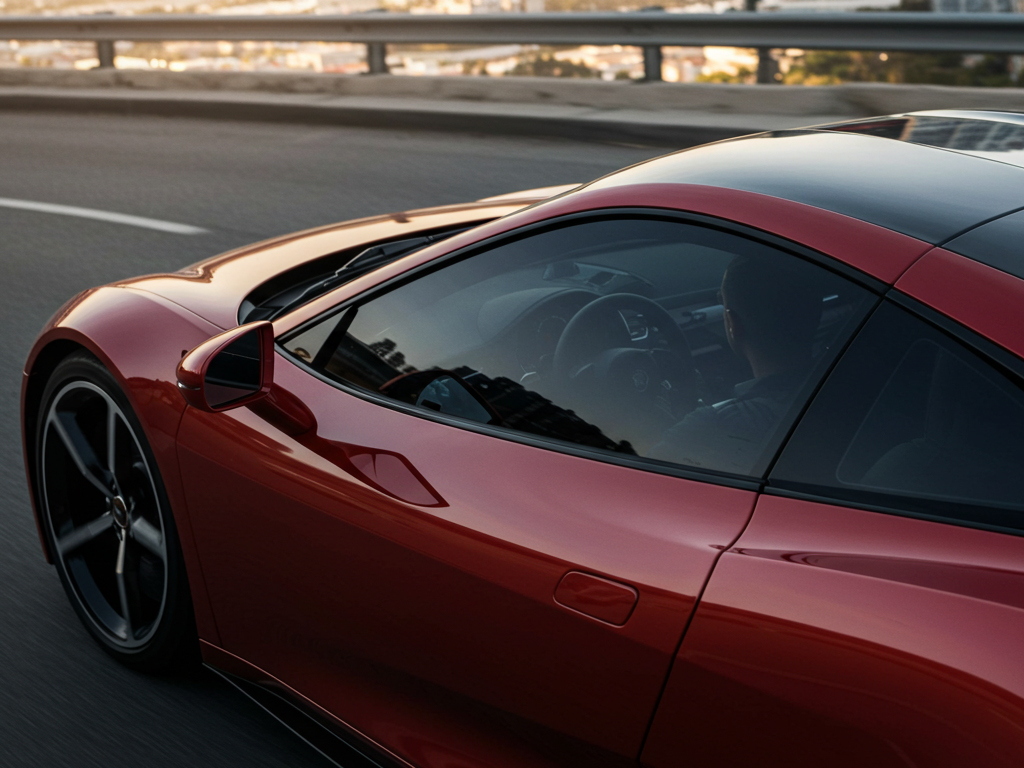
LACUNA Automotive Window Films enhance comfort and style while providing effective UV protection, glare reduction, and heat rejection. Designed to protect passengers and interiors, these films improve privacy and thermal comfort without compromising visibility.

All Products

Charcoal

4 Years

Warranty

43%

Total Solar Energy Rejected

VLT : 05 – 20 – 35 – 50

Carbon

7 Years

Warranty

57%

Total Solar Energy Rejected

VLT : 05 – 15 – 20 – 35 – 50 – 70

Titanium Jet

10 Years

Warranty

75%

Total Solar Energy Rejected

VLT : 05 – 15 – 20 – 35 – 50

Nano Ceramic IR

15 Years

Warranty

80%

Total Solar Energy Rejected

VLT : 05 – 20 – 35 – 50

Nano Ceramic ECO

10 Years

Warranty

71%

Total Solar Energy Rejected

VLT : 05 – 15 – 20 – 35 – 50 – 70

Air Cool 80

10 Years

Warranty

54%

Total Solar Energy Rejected

VLT : 80

Full Metal Mirror

10 Years

Warranty

66%

Total Solar Energy Rejected

VLT : 20 – 35

Premium Selective

15 Years

Warranty

83%

Total Solar Energy Rejected

VLT : 10 – 20 – 30 – 50 – 70

Eye Comfort

15 Years

Warranty

68%

Total Solar Energy Rejected

VLT : 50

Shield

1 Years

Warranty

Total Solar Energy Rejected

VLT : 90

Shield IR

1 Years

Warranty

61%

Total Solar Energy Rejected

VLT : 70

Chameleon

5 Years

Warranty

62%

Total Solar Energy Rejected

VLT : 50

Automotive Window Films

LACUNA Automotive Window Films enhance comfort and style while providing effective UV protection, glare reduction, and heat rejection. Designed to protect passengers and interiors, these films improve privacy and thermal comfort without compromising visibility.

All Products

Charcoal

4 Years

Warranty

43%

Total Solar Energy Rejected

VLT : 05 – 20 – 35 – 50

Carbon

7 Years

Warranty

57%

Total Solar Energy Rejected

VLT : 05 – 15 – 20 – 35 – 50 – 70

Titanium Jet

10 Years

Warranty

75%

Total Solar Energy Rejected

VLT : 05 – 15 – 20 – 35 – 50

Nano Ceramic IR

15 Years

Warranty

80%

Total Solar Energy Rejected

VLT : 05 – 20 – 35 – 50

Nano Ceramic ECO

10 Years

Warranty

71%

Total Solar Energy Rejected

VLT : 05 – 15 – 20 – 35 – 50 – 70

Air Cool 80

10 Years

Warranty

54%

Total Solar Energy Rejected

VLT : 80

Full Metal Mirror

10 Years

Warranty

66%

Total Solar Energy Rejected

VLT : 20 – 35

Premium Selective

15 Years

Warranty

83%

Total Solar Energy Rejected

VLT : 10 – 20 – 30 – 50 – 70

Eye Comfort

15 Years

Warranty

68%

Total Solar Energy Rejected

VLT : 50

Shield

1 Years

Warranty

Total Solar Energy Rejected

VLT : 90

Shield IR

1 Years

Warranty

61%

Total Solar Energy Rejected

VLT : 70

Chameleon

5 Years

Warranty

62%

Total Solar Energy Rejected

VLT : 50

Frequently Asked Questions

Can tinted windows reduce the spread of bacteria and viruses inside the car?2025-08-28T09:56:05-04:00

Yes, some antimicrobial-coated films inhibit the growth of bacteria, mold, and viruses on glass surfaces, improving hygiene inside the vehicle.

Are there window films specifically designed for electric vehicles (EVs)?2025-08-28T10:47:25-04:00

Yes, infrared heat-blocking films help manage EV battery temperature, reducing the strain on climate control systems and preserving driving range.

Can window films make my windshield bulletproof?2025-08-28T10:35:21-04:00

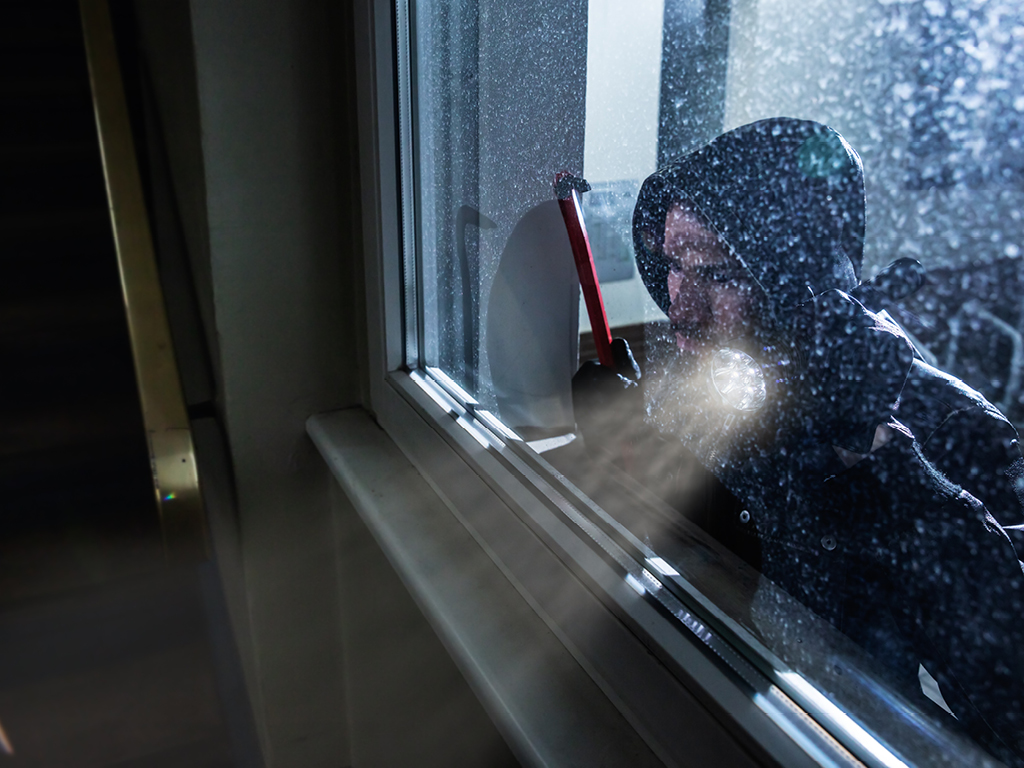
No, but security films strengthen the glass, making it harder to shatter and delaying forced entry attempts.

Is it possible to have a tint that changes color based on sunlight?2025-08-28T10:23:37-04:00

Yes, photochromic window films adjust tint darkness automatically based on UV exposure, providing dynamic shading depending on daylight intensity.

Can window tint reduce eye strain for drivers?2025-08-28T10:17:16-04:00

Yes, high-quality UV and anti-glare films reduce eye fatigue by blocking harsh sunlight and reflections, improving comfort for long drives.

Are there window tints that provide better rearview visibility for convertible cars?2025-08-28T09:39:54-04:00

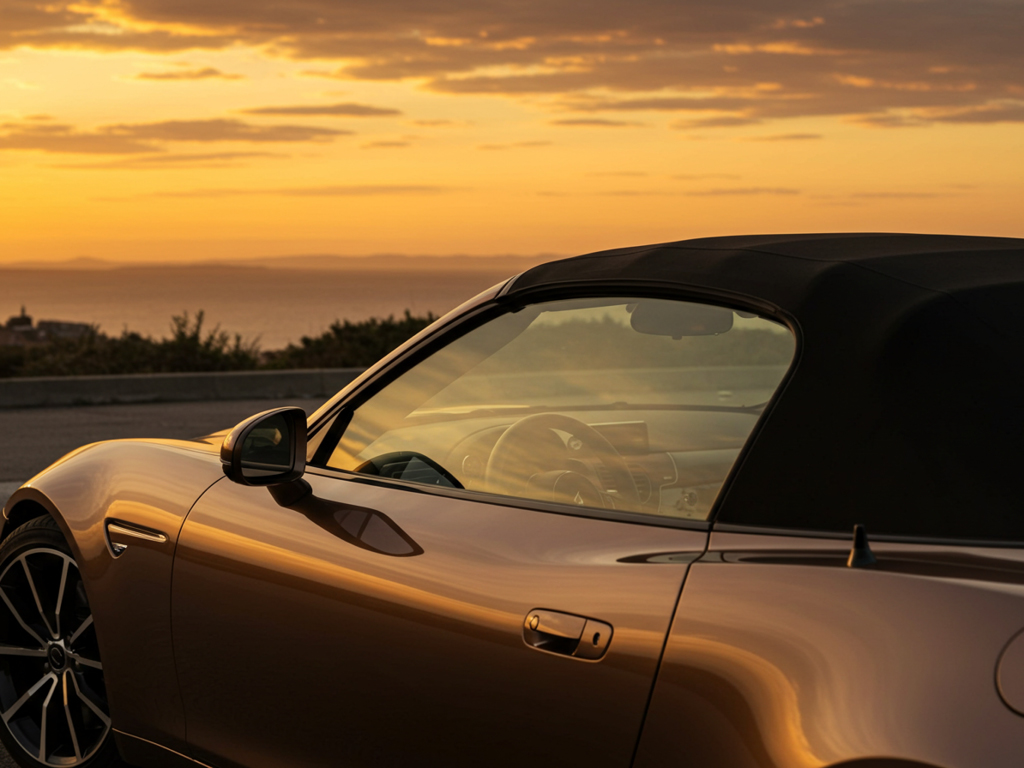
Yes, some anti-glare films reduce rear-window reflection, improving visibility in convertibles and soft-top vehicles.

How do ceramic window films compare to dyed and carbon films?2025-08-28T11:07:53-04:00
  • Dyed Films: Basic tinting option, minimal heat rejection, prone to fading over time.
  • Carbon Films: Non-metallic, better heat rejection, does not interfere with electronic signals.
  • Ceramic Films: Advanced nanotechnology, highest heat rejection, superior clarity, and longest durabilitywithout fading.
How does humidity or extreme temperatures affect window film installation?2025-08-28T10:43:53-04:00

High humidity or cold temperatures can slow down the curing process. Professional installers use climate-controlled environments to ensure perfect adhesion.

Are there window films with heat rejection but no tint?2025-08-28T10:27:40-04:00

Yes, clear heat-rejecting films use spectrally selective technology to block infrared heat and UV rays while maintaining full visibility, making them ideal for windshields and vehicles with strict tint laws.

Do window tints help keep the car cooler?2025-08-28T11:05:52-04:00

Yes, infrared-rejecting films block up to 85% of solar heat, significantly lowering cabin temperatures and reducing air conditioning usage for better fuel efficiency.

Can I apply a window film on top of an existing film?2025-08-28T09:27:09-04:00

It’s not recommended as layering films can cause bubbling, peeling, and reduced clarity. If tint needs replacement, old films should be professionally removed first.

Do window tints fade over time?2025-08-28T10:37:06-04:00

Low-quality dyed films fade with prolonged sun exposure, while ceramic and carbon-based films retain color for the lifetime of the vehicle.

Can I install window film on my car’s sunroof?2025-08-28T10:50:08-04:00

Yes, but sunroof films must withstand higher heat exposure. A ceramic-based film is recommended to prevent overheating and cracking.

Can window films help protect against distracted driving glare?2025-08-28T09:29:23-04:00

Yes, anti-glare films reduce screen reflections and distracting sun flares, helping drivers stay focused on the road.

Can I remove window film myself?2025-08-28T10:41:18-04:00

It’s possible, but professional removal ensures no adhesive residue or glass damage. Steaming or using a heat gun can help with DIY removal.

Blog

Blog

Stay Updated

Let’s Explore What We Can Achieve Together!

By submitting the form you agree to The Lacuna LLC Terms & Conditions and Privacy Policy.